

Wisconsin Chokes Again: The ‘New Normal’ Nobody Asked For
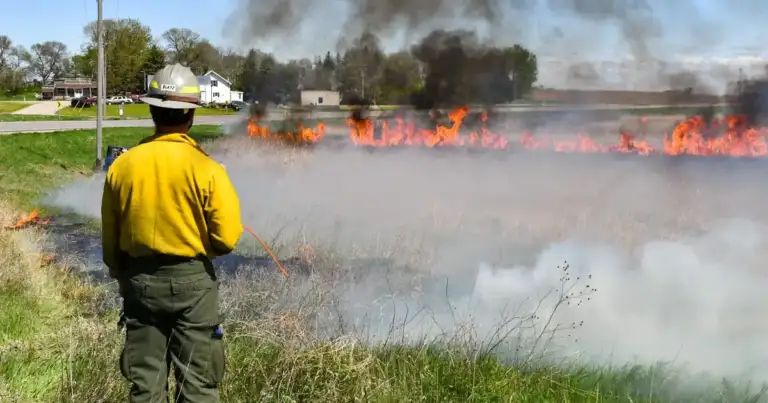
Wisconsin is choking again. As of Friday, July 17, 2026, the familiar, acrid smell of distant wildfires has returned, blanketing much of our state. Air quality from Wausau to Green Bay dipped into “Unhealthy for Sensitive Groups” (Orange) and even “Unhealthy” (Red) zones. PM2.5 levels soared past safe limits. This isn’t a fluke. It’s the third major smoke event in five years, directly imported from uncontrolled infernos in western Canada. We’re not just breathing Canadian smoke; we’re inhaling the consequences of global inaction, right here in our backyard.Health Under Siege: What This Smoke Really Means for You
The Wisconsin Department of Health Services isn’t playing games with its warnings, and neither should you. This isn’t just an inconvenience; it’s a direct assault on your respiratory system. The primary culprit is fine particulate matter, PM2.5, tiny enough to bypass your body’s defenses and lodge deep in your lungs, even crossing into your bloodstream. So, what does this insidious smoke really mean for your body, and who should be most terrified? Here’s the unvarnished truth: * Elevated PM2.5 Levels: AQI readings in the 101-200 range mean high concentrations of these dangerous particles are swirling around you. * Common Symptoms: Expect eye irritation, runny nose, persistent coughing, wheezing, shortness of breath, and headaches. Even healthy individuals feel this strain. * Vulnerable Populations: This is where it gets serious. Children, the elderly, pregnant women, and anyone with existing respiratory conditions (asthma, COPD) or heart disease are at severe risk. Their conditions can flare up, leading directly to emergency room visits and hospitalizations. * Precautions: Limit outdoor activity, keep windows and doors shut. If you absolutely must go out, an N95 mask is your only real defense against these microscopic invaders. * Long-term Consequences: Think this is just a temporary nuisance? Repeated exposure isn’t just linked to chronic respiratory diseases and heart problems; it’s a direct pathway to premature death. This isn’t a one-off event; it’s a creeping, undeniable health crisis, silently eroding our collective well-being.Climate Talk vs. Climate Action: The Wisconsin Divide
Environmental groups are, predictably, screaming from the rooftops, and for good reason. Dr. Patricia Hayes, a Madison pulmonologist, confirms the surge in respiratory distress cases flooding clinics across the state—clearly showing the immediate impact. Meanwhile, the DNR’s role remains largely to monitor and advise, a bureaucratic acknowledgment of a problem they’re either not empowered—or perhaps not willing—to truly solve. But others are less circumspect. Kerry Schumann, Executive Director of Wisconsin Conservation Voters, didn’t mince words, laying the blame squarely where it belongs:“This isn’t just a Canadian problem; it’s a Wisconsin problem, and it’s a climate problem,” stated Kerry Schumann, Executive Director of Wisconsin Conservation Voters. “We are seeing the direct impacts of a warming planet right here in our state, affecting our air, our health, and our way of life. It’s past time for our leaders to take bold action on climate change.”The silence from legislative leadership on aggressive, transformative climate action, however, isn’t just deafening—it’s complicit. They’ll issue platitudes about “monitoring the situation” and “public safety,” but where are the concrete, actionable plans to pivot Wisconsin away from the very practices that fuel this accelerating crisis? Where is the political courage to challenge the status quo?
Red Marker Verdict
Let’s call it what it is. The recurring wildfire smoke blanketing Wisconsin isn’t just a weather event; it’s a political hot potato everyone handles with kid gloves. The hypocrisy is staggering. Our state leaders and certain industry players acknowledge the “climate context” while simultaneously dragging their feet on any meaningful action. They’ll fund studies and issue advisories. However, the financial and political will to transition away from fossil fuels remains elusive. They’re betting you’ll complain about the smoke, maybe buy an air purifier, and then forget until next summer. The mainstream narrative focuses on “what to do during an alert” rather than “why the alerts are becoming the new normal.” The real motive? To maintain the status quo, protect existing economic interests, and push long-term health and environmental costs onto the average Wisconsinite. They tell you to stay indoors, while keeping the door wide open to policies burning down the planet. How much more can we take before demanding real change, not just empty promises?Source: Google News