

The Fight to Keep it Hidden
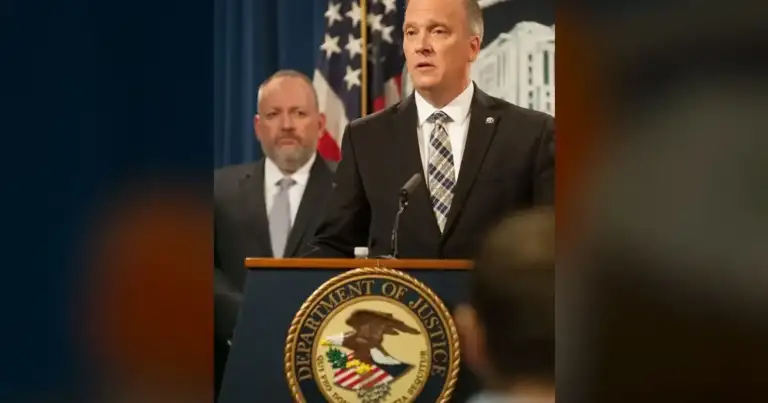
What’s in this trove that the DOJ fought so hard to conceal? Names, employing agencies, employment dates, and every single decertification or disciplinary action that led to such. We’re talking about records for over 15,000 active and inactive officers in Wisconsin. Think about that. Fifteen thousand individuals whose professional histories were deemed too sensitive for public eyes, until now. The timeline of this bureaucratic battle reveals a clear pattern of stonewalling: * 2023: The lawsuit was filed, demanding transparency. * Late 2024: A Dane County Circuit Court ruled in favor of release. * Early 2025: The DOJ appealed, trotting out the usual “privacy” arguments. * Late 2025: The Wisconsin Court of Appeals upheld the lower court’s ruling, reaffirming the public’s right to know. * April 29, 2026: The Wisconsin Supreme Court delivered the final blow, declining to even hear the DOJ’s desperate last-ditch plea. This wasn’t about protecting individuals from harm; it was about protecting a system. The DOJ and their police union pals screamed about “officer safety” and “privacy.” It was always a transparent smokescreen. They wanted to keep a lid on misconduct, to protect officers who might jump from one department to another after screwing up somewhere else. This was never about noble principles; it was about shielding power.The “Red Marker” Verdict
The long, multi-year legal stonewalling by the Wisconsin DOJ, backed by police associations throwing bureaucratic tantrums, wasn’t a noble defense of privacy. It was a calculated, expensive effort to preserve “deep state protectionism” for badged thugs. The “privacy concerns” trotted out were a transparent smokescreen to protect a system where misconduct could fester unseen and unpunished. The true motive? Maintaining a clandestine system where accountability is a suggestion, not a mandate, allowing officers with disciplinary histories to vanish into the shadows and resurface elsewhere. The real cost wasn’t just legal fees; it was the deliberate erosion of public trust, fueled by the very secrecy they fought to maintain.What Now for Wisconsin?
The public reaction is already a “chaotic shitstorm” online. On one side, you have the transparency hawks celebrating a monumental victory for accountability. On the other, the blue-line fanatics are screaming “doxxing” and “endangerment jackpot,” recycling every rejected argument from the DOJ’s losing legal brief. Cynics are even calling it a “manufactured psyop” to inflame culture war tensions. But the truth is far simpler: This decision finally tears down a wall that should have never existed. It forces accountability onto a system that has historically resisted it at every turn. Ordinary Wisconsinites now get a tool to scrutinize the actions and histories of the law enforcement officers who serve their communities. It’s a fundamental step towards rebuilding trust, one that should never have required years of legal battles. The public now gets to demand better from those sworn to protect them. Let the sunshine in, Wisconsin. It’s long overdue, and it’s about bloody time we got it.Source: Google News