










Morton County’s horizon just changed forever. The North Dakota Public Service Commission, with a decisive 2-1 vote on August 11, 2026, officially greenlit Apex Clean Energy’s controversial Prairie Sky Wind Project. This isn’t just another development; it’s a definitive declaration of our state’s energy future, poised to transform the agricultural heartland south of New Salem – and the lives within it.
The Premium Price of Progress
For those with a keen eye on North Dakota’s evolving real estate and business landscape, this isn’t just another wind farm. This is a definitive statement about where the real value lies. Apex Clean Energy’s $400 million investment is a significant injection of capital, promising 200 construction jobs and 15 permanent operational positions. More importantly, it guarantees $3 million in annual tax revenue for Morton County and a substantial $2.5 million in annual payments to participating landowners. For those lucky enough to have their land under a turbine, that’s a steady, premium income stream in an often unpredictable agricultural market. This isn’t just clean energy; it’s a clean, consistent payout.
But let’s be honest: the glossy brochures never tell the whole story. While some landowners are set to benefit handsomely, others are left to confront a stark, new reality.
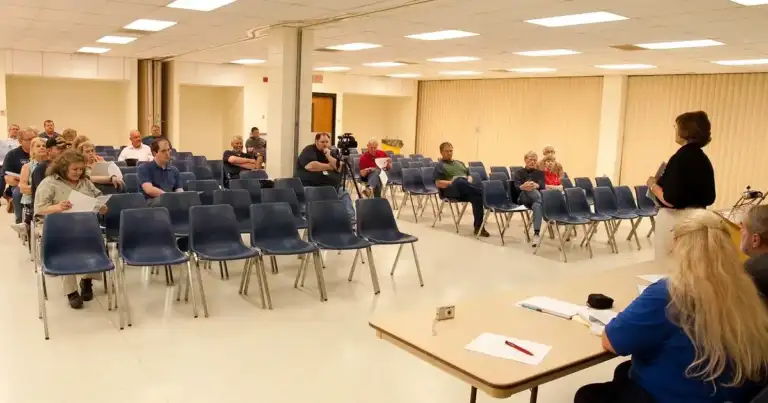
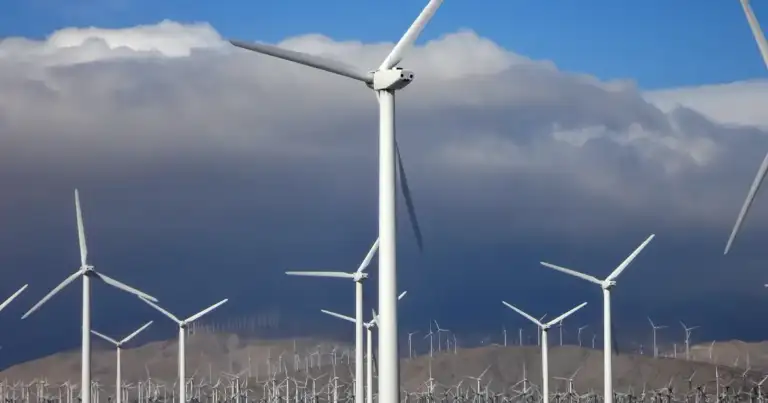
Groups like the “Morton County Concerned Citizens” have voiced their outrage. They cite legitimate concerns over visual blight, the incessant hum of turbines, and the inevitable impact on property values for those not participating in the lucrative land leases. The romance of the wide-open prairie, for far too many, is now tragically overshadowed by 600-foot industrial giants that hum day and night.
The Red Marker Verdict: Follow the Money
Let’s be unequivocally clear: while the narrative often centers on “clean energy” and “environmental stewardship,” the PSC’s approval of the Prairie Sky Wind Project is, at its core, a cold, hard business decision. Don’t mistake this for a purely altruistic push for a greener tomorrow. This is about strategic capital allocation and the annual revenue streams it generates.
The PSC’s conditions – enhanced setback requirements of up to 1,500 feet from non-participating residences and stringent bird and bat monitoring – are paraded as thoughtful concessions. But let’s be blunt: these are the bare minimum to quiet public outcry, not to fundamentally reverse the industrialization of a rural vista.
The “premium” of wide-open, unmarred spaces for non-participating neighbors just took a devastating hit, while the developer and select landowners are reaping disproportionate rewards. Commissioner Sheri Haugen-Hoffart’s dissenting vote wasn’t a sentimental gesture; it was a stark reminder that the “greater good” of state energy policy often comes at a very localized, personal cost.
The sheer hypocrisy lies in framing this as a universally positive step when, for so many, it’s a direct downgrade to their quality of life, all for the sake of another’s bulging bottom line.
North Dakota’s Shifting Horizon
North Dakota has always been an energy state, and that’s not changing. What is changing is the face of that energy. The Prairie Sky project further solidifies our position as a wind energy powerhouse, contributing to over 25% of the state’s electricity generation capacity. For Morton County, this means a bolstered budget for schools, roads, and emergency services. For participating landowners, it’s a secure financial future.
But for those who chose Morton County for its quiet solitude and uninterrupted views, this approval forces a difficult question: What is the true cost of progress when that progress fundamentally alters the very landscape you bought into?
North Dakota remains ripe for investment. However, as these projects proliferate, the discerning buyer will increasingly seek out those hidden gems that still offer the untouched, premium rural experience. The market will adapt, and the intrinsic value of undisturbed vistas will only climb higher.
So, the question for every resident and prospective buyer in Morton County isn’t just about energy anymore: Are you investing in the new industrial prairie, or are you desperately securing a piece of what’s rapidly becoming an irreplaceable commodity?
Source: Google News