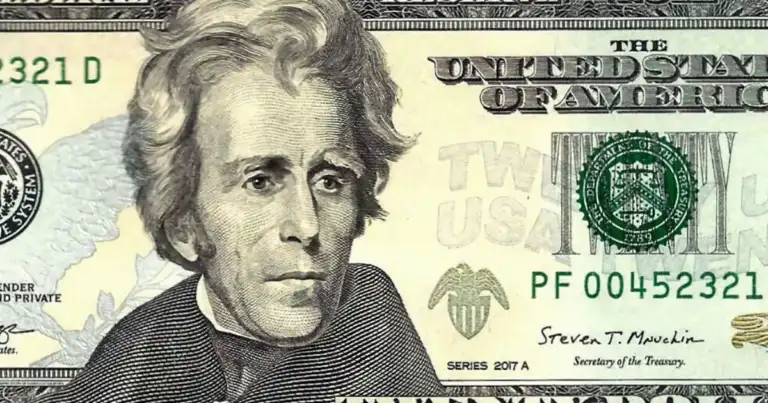

Forget the headlines about inflation; a more insidious financial threat is quietly eroding our local economies, one twenty-dollar bill at a time. The warning sirens are blaring again from Georgia’s sheriff’s offices, and it’s the same old tune, but the stakes are higher than ever: counterfeit twenties are flooding our communities, turning unsuspecting citizens and struggling small businesses into unwitting victims.
The Persistent Problem of Counterfeit Cash
While the specific county might shift, the message from law enforcement across Georgia remains chillingly consistent: counterfeit currency, particularly the $20 bill, isn’t just circulating – it’s actively preying on our communities.

These aren’t master forgeries requiring a Treasury Department expert to spot. Often, they’re laughably crude, easily identifiable fakes if you just take a moment to look. Yet, they continue to slip through, costing our neighbors and local businesses hard-earned cash.
This isn’t a minor inconvenience; it’s a direct financial hit, a silent thief chipping away at the foundation of local commerce.
Just last week, another local sheriff’s office amplified the alarm, reiterating what we already know: these fake bills thrive on distraction and haste.
Picture a frantic Saturday morning at the farmers’ market, a slammed convenience store at rush hour, or a private sale on a porch. The counterfeiter’s game is simple, cynical, and effective: pass the fake before anyone scrutinizes it.
The person who accepts it isn’t just an unwitting victim; they’re stuck with worthless paper. Meanwhile, the crook walks away with legitimate goods or change, laughing all the way to their next target. It’s a calculated, petty theft, repeated thousands of times across our state.
Who Pays the Price?
Let’s be crystal clear: when a fake bill is discovered, the bank won’t exchange it for real money. The business or individual who accepted it absorbs the loss – 100% of it.
For a faceless corporation, a few fake twenties might be a write-off, a line item on a sprawling balance sheet. But for the small mom-and-pop shop, already operating on razor-thin margins, that $20 loss isn’t just a sting; it’s a punch to the gut.
For an individual who just sold their old furniture to make ends meet, it’s a direct hit. This tiny theft, when multiplied across the state, amounts to a significant drag on local commerce, eroding trust and adding an invisible tax on every honest transaction.
Law enforcement tirelessly urges vigilance: feel the paper, check for watermarks and security threads, compare it to a known good bill. These aren’t groundbreaking revelations; they’re the same basic precautions we’ve heard for years.
So why does the problem persist? Too many of us get complacent, or simply don’t care enough until it’s our own pocket taking the hit.
Is it fair that the onus is placed squarely on the victim to be smarter, while the perpetrators often face minimal consequences for these petty, but cumulatively devastating, crimes?
This isn’t just about a “warning.” This is a constant, low-level financial assault on local Georgia businesses and the everyday citizen. The mainstream narrative treats it like a public service announcement, a gentle reminder. The reality? It’s a systemic drain. The real cost isn’t borne by some anonymous federal agency; it’s borne by the small business owner who has to make up that $20 loss from their already meager profits, or the individual who just got fleeced and has no recourse. It’s a tax on vigilance, a hidden cost of living in a society where too many people are looking for a quick, dishonest buck. Don’t fall for the idea that this is just a minor inconvenience. It’s theft, plain and simple, and it chips away at the foundations of trust and commerce in our communities. The onus is placed squarely on the victim to be smarter, while the perpetrators often face minimal consequences for these petty, but cumulative, crimes.
This isn’t just about a few bad apples; it’s a systemic drain on our communities, a hidden tax on every honest transaction. So, the next time you’re handed a twenty, don’t just glance at it. Feel it. Inspect it. Because in this ongoing battle against petty theft, your vigilance isn’t just a recommendation – it’s your only defense against being the next victim in a crime that, far too often, goes unpunished.
Source: Google News