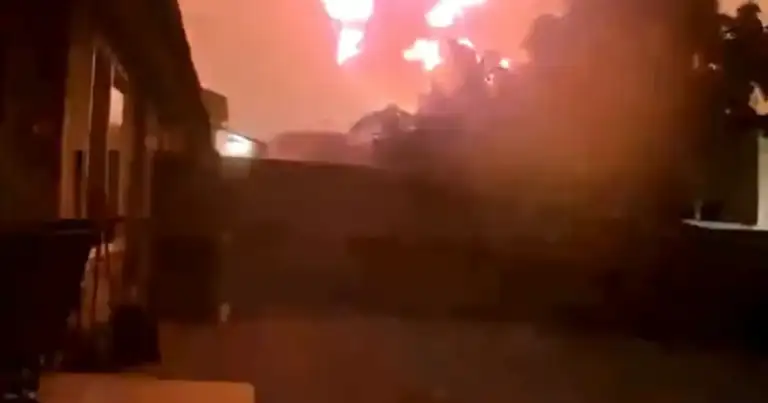

Five lives. Gone. Just like that. A Massachusetts family, including a young boy and a girl, was wiped out in a horrific bus crash down on I-95 in Stafford County, Virginia. This isn’t some distant news item for the national desk; this is ours, leaving a hole in our communities that won’t ever truly heal.
The Crushing Weight of Distance
We often dismiss these highway horrors as abstract statistics until they hit home. You hear about crashes on major arteries like I-95, and they often feel like stories from somewhere else.
But when the names start coming out, when you realize it’s five people from right here in Massachusetts, the abstract shatters. It doesn’t matter that the wreck happened hundreds of miles away in Virginia.
The impact, the grief, the sheer, gut-wrenching void, that’s all here. That’s in our towns, in our schools, in the empty seats at family dinners across the Commonwealth.
We send our loved ones off, whether for vacation, a visit, or just a drive, with the unspoken assumption they’ll come back. For five Massachusetts residents, that assumption was brutally revoked.
Another Day, Another Highway Horror
I-95. A lifeline for commerce, a path for families, a ribbon of asphalt crisscrossing the East Coast. And, too often, a graveyard.
How many times have we seen the headlines? Multi-vehicle pile-ups, buses involved, lives extinguished in a flash of metal and fire.
Each time, a brief, collective gasp, a perfunctory wave of “thoughts and prayers,” and then the relentless news cycle grinds on. But for the families left behind, the cycle never stops. It’s a permanent, devastating loop of grief and unanswered questions, a silence that screams louder than any headline.
Inevitably, there will be investigations. There will be reports, cold and clinical, dissecting bus safety, driver fatigue, infrastructure flaws.
For a fleeting moment, perhaps we’ll pay attention, our outrage momentarily piqued. But then the traffic will flow again, the rush of daily life will resume, and the memory of this specific tragedy will begin to fade for everyone except those directly touched by it. Is that truly the best we can do?
Here’s the cold, hard truth: We wring our hands for a day, maybe two, when these mass casualty events hit close to home. We mourn the “boy and girl” and the “five people from Massachusetts.”
But the systems that contribute to these tragedies – the relentless pressure on commercial drivers, the underfunded infrastructure, the sheer volume of vehicles barreling down aging highways – they remain largely untouched.
The mainstream narrative will focus on the immediate sorrow, but it consistently sidesteps the uncomfortable reality that we, as a society, have accepted a certain level of carnage on our roads as the cost of doing business and getting places fast. The real motive isn’t malice; it’s indifference, masked by fleeting sympathy, until the next family, from the next state, becomes the next headline.
Source: Google News