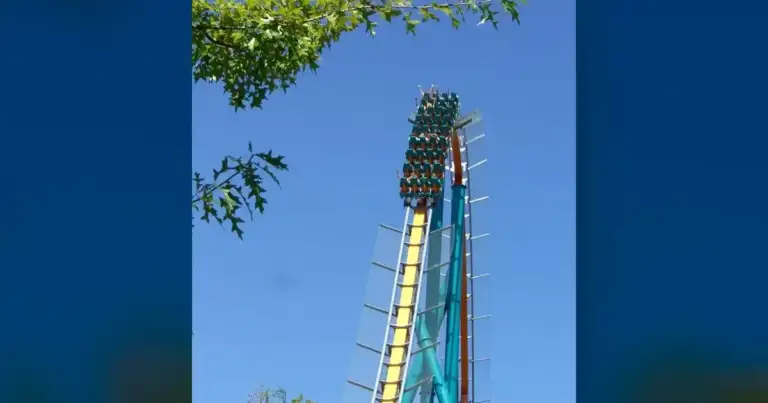

Forget the manufactured screams of Goliath and the sticky-sweet scent of funnel cake. A different kind of terror, a far more primal one, occasionally stalks the grounds of Six Flags Over Georgia: the brutal, unexpected force of nature. We’re talking about massive trees, the kind that have stood for decades, suddenly deciding to give way, turning a day of family fun into a potential nightmare.
When Nature Strikes the Midway
This isn’t some abstract fear. For Georgia’s largest amusement park, the threat of a falling tree is a very real, very recent memory. While no new headlines have emerged in the last 48-72 hours, the danger persists.
Just last year, in July 2023, two individuals were injured when a tree fell near the Gotham City section. This was no freak accident. It was a stark, brutal reminder that nature doesn’t ask for permission, even in meticulously managed environments. When it acts, lives are on the line.
You’d think a multi-million-dollar operation like Six Flags would meticulously manage its sprawling footprint. This isn’t a forgotten state park; it’s a highly trafficked commercial enterprise. Thousands gather here daily.
The demand should be that every potential hazard, especially decaying or unstable trees, is identified and removed. So why do these incidents keep happening? Are they isolated flukes, or symptoms of prioritizing profit over genuine safety?
The Real Cost of a Day Out
When injuries occur, the aftermath involves emergency services, park staff, and lawyers. But for families, the true cost isn’t just bills. It’s the insidious erosion of trust.
That nagging doubt creeps in while standing in line, eyes drifting to the canopy overhead. A carefree day is replaced by a terrifying brush with danger. Can you truly relax, wondering if the next gust of wind will bring down a limb? As one concerned local grandmother put it after the 2023 incident:
“You come here for fun, for a break from worries. You don’t expect to be looking over your shoulder at every tree. It just changes everything. It makes you wonder what else they’re not checking.”
That sentiment, that chilling doubt, is the real price of these preventable accidents.
Amusement parks like Six Flags thrive on volume. Their business model demands constant movement: lines flowing, rides spinning, crowds returning year after year.
Intensive tree maintenance, including regular structural assessments, is a significant expense. This cost, all too often, appears weighed against other operational expenditures. Human safety seems relegated to a lower priority.
The Verdict
Here’s the plain truth: a tree falling in an amusement park is rarely an ‘act of God.’ It is, almost without exception, a failure of proactive maintenance. It’s a dangerous calculation that didn’t quite add up.
The mainstream narrative will pivot to the immediate incident and quick response. But the real story is simpler: it’s the tug-of-war between profit margins and non-negotiable safety. Parks like Six Flags must invest proactively in prevention.
This isn’t for good PR or to avoid lawsuits. It’s because real human lives are on the line. Anything less is negligence, a silent countdown for the next tree to fall and shatter another family’s summer.
Source: Google News