

The Unspoken Cost of NYC’s Doorman “Peace Deal”
Another year, another “crisis” averted in New York City. On April 17, 2026, the city breathed a collective, manufactured sigh of relief. 32BJ SEIU and the Realty Advisory Board (RAB) announced a tentative four-year agreement, narrowly averting a widespread doorman strike. We’re told it’s a victory, a “balanced approach,” a triumph of negotiation. Don’t believe the hype. For those of us who actually live and pay in this city, it was less a crisis averted and more a meticulously choreographed performance, designed to keep the money flowing – just not into your pocket.The Annual Dance: Who Really Wins?
Let’s be clear: this was never going to be a strike. Not a real one, anyway. The stakes are simply too high for both sides to let the city grind to a halt. The union, representing a formidable 30,000 residential building workers, flexed its muscle with an overwhelming strike authorization vote on April 10th. The RAB, speaking for 1,300 apartment buildings, countered with the usual lament of “economic realities.” It’s a familiar script we’ve seen play out countless times. Doormen rally on Park Avenue, owners wring their hands over rising costs. Then, just days before the April 20th deadline, a “tentative deal” materializes from thin air. Kyle Bragg, President of 32BJ SEIU, quickly declared it a win, stating members “secured a fair contract that protects their healthcare, pensions, and provides for their families.” Howard Rothschild of the RAB quickly echoed that sentiment, praising a “balanced approach” that avoids disruption. Convenient, isn’t it? Both leaderships get to claim a decisive victory. No lost wages for workers, no logistical nightmare for building owners. Everyone saves face, and the status quo remains firmly intact. But at what cost, and to whom?The Invisible Hand in Your Wallet
The answer, of course, is you. While residents may be breathing a sigh of relief, the immediate inconvenience of managing trash, deliveries, and security is merely replaced by the creeping certainty of higher costs. Building operating expenses will spike. Those increases will inevitably be passed directly to residents through higher rent, common charges, or maintenance fees. This isn’t speculation; it’s the ironclad historical precedent. Past contracts have consistently led to annual operating cost increases ranging from 2% to 5% for many buildings, a pattern this deal is guaranteed to continue. Consider the average doorman salary, already estimated at a substantial $55,000-$65,000 annually even before this new agreement. That figure doesn’t even begin to touch the comprehensive health benefits and substantial pension contributions that are part of the package. These are not insignificant costs in a city where every penny is scrutinized. Every budget line item is a battleground. While the “luxury” of a doorman is often seen as a staple of premium New York living, the price tag is ever-inflating. This deal ensures that trajectory continues its relentless climb. The cost of convenience in New York is never a fixed number; it’s a perpetually adjusting ledger, always tipping towards more – and you’re always on the wrong side of the balance.The Red Marker Verdict: A Calculated Calm
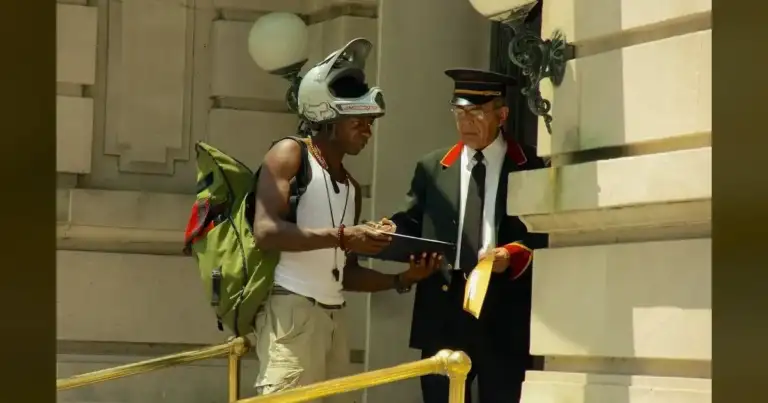
The real motive here is stability, not radical change. For the union, it’s about maintaining relevance and securing dues, ensuring their members—essential workers in a demanding city—continue to receive robust packages. For the RAB, it’s about avoiding the tens of millions in daily costs and the immeasurable chaos a genuine strike would unleash upon the city. This deal isn’t evidence of hard-fought compromise; it’s a mutual agreement to uphold the existing power structure and economic flow. It diverts true disruption while ensuring the cost is borne by the masses. So, the next time your doorman greets you, remember the true cost of this “peace.” It’s not just the convenience you’re paying for. It’s the quiet continuation of a system designed to extract maximum value, all while presenting it as a necessary compromise. The show goes on, and your rent statement, inevitably higher, will be the next act in this predictable, costly drama. In New York, some things never change – especially the direction your money flows.Photo: Photo by Ed Yourdon on Openverse (flickr) (https://www.flickr.com/photos/72098626@N00/9476086837)
Source: Google News