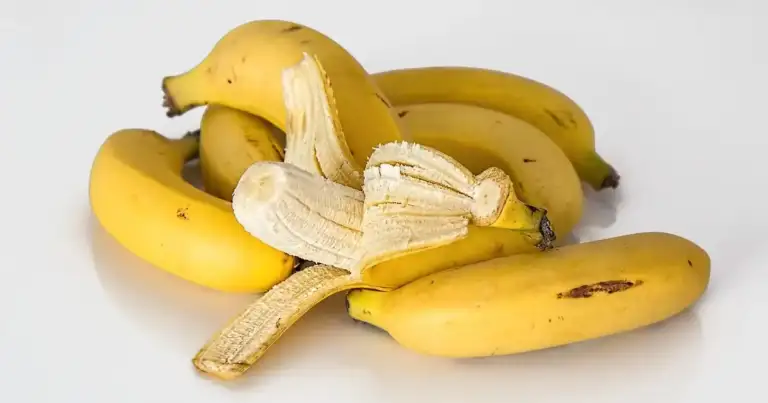

A ludicrous headline is sweeping New York: “What Could One Banana Cost? $10? Maybe for You, Some Fear.” It sounds like a joke, a satirical sketch, yet beneath the meme-worthy absurdity lies a truth as bitter as an unripe plantain: for far too many New Yorkers, basic sustenance is already teetering on the edge of luxury, and the punchline is on us.
The Reality Behind the Rhetoric
Forget the hypothetical ten-dollar fruit for a moment. The real story unfolding across our boroughs isn’t a speculative future, but a chilling, undeniable present.

The NYC Food Bank’s recent “Hunger Report” lays bare a brutal truth: a staggering 15% surge in demand for emergency food services in the first quarter of 2026 alone.
This isn’t abstract data relegated to spreadsheets; it’s families lining up, children going to bed hungry, and the very fabric of our communities fraying under unbearable economic strain. This isn’t a crisis looming; it’s here, now.
Just ask Maria Rodriguez, a working mother from Hunts Point, whose daily struggle is far from hypothetical. She told NY1:
“Even a bunch of bananas feels like a luxury now. What used to be a cheap, healthy snack is becoming something I have to budget for carefully.”
This isn’t a conversation about conspicuous consumption; it’s about survival, plain and simple. For households earning below 200% of the federal poverty line in our city, food now consumes over 35% of their disposable income, a sharp climb from 28% just two years prior. This isn’t a slow burn; it’s a raging bonfire consuming family budgets.
The Cost of Inaction
Council Member Maria Sanchez, representing District 15 in the Bronx, didn’t mince words at a recent City Council hearing. She declared:
“This isn’t just about inflation; it’s about equity.”
And she is absolutely right. While city officials talk of SNAP benefits and pilot programs like “Health Bucks,” the current aid often feels like a flimsy band-aid on a gushing wound. The proposed additional $20 million for emergency food providers is a start, a mere drop in the bucket, but against a relentless backdrop of 6.2% year-over-year food-at-home price increases in our region, it’s less a race against time and more a desperate sprint we’re already losing.
The real question isn’t whether a banana could hypothetically cost $10. It’s far more urgent: what is the devastating cost of not addressing this crisis head-on?
What is the irreparable damage to the health, education, and future of New York’s children when nutritious food becomes an unattainable fantasy?
We pride ourselves on being the global capital of fine dining, of exclusive experiences and unparalleled luxury. Yet, we routinely turn a blind eye to the very real hunger pangs just blocks away, in our own neighborhoods. This isn’t just an oversight; it’s a moral failure.
Rachel Cohen’s Red Marker Verdict:
Let’s be blunt: when a city’s conversation around basic nutrition devolves into the hyper-sensationalized “what if” of a $10 banana, it’s a damning sign.
The actual financial motive here isn’t about the price of a single fruit; it’s about the systemic exploitation of those already struggling. Their most basic needs are turned into a profit margin for an increasingly opaque and predatory supply chain.
The hypocrisy is galling: we’re often more concerned with the optics of affordability than the grim, everyday reality of food insecurity. While some muse about theoretical luxury produce, countless New Yorkers are already experiencing a de facto $10 banana every time they weigh eating healthy against keeping the lights on.
The villain isn’t inflation itself, but the inertia and detached commentary that allows a human crisis to be framed as an interesting thought experiment rather than an urgent, undeniable call to action.
New York is a city of relentless ambition, a beacon where opportunity gleams for those who can seize it. But true aspiration, true greatness, demands that we ensure the absolute fundamentals are within reach for everyone.
It’s long past time to move beyond the headline-grabbing hypotheticals and confront the brutal reality playing out in our grocery aisles and on our dinner tables.
Will we let the fear of an unaffordable banana become a self-fulfilling prophecy, condemning our most vulnerable neighbors to hunger? Or will we finally, decisively, invest in a New York where dignity and sustenance are not just ideals, but guaranteed realities for every single resident?
The choice, stark and urgent, is unequivocally ours to make.
Source: Google News