
Forget the ‘another spring, another round’ platitudes. Central and eastern Oklahoma just got slammed again, and this isn’t a drill.
It’s the brutal opening act of a tornado season, already pushing thousands of Oklahomans to their breaking point. They’re left to pick up pieces they just finished putting together, running on fumes, and the worst is still ahead.
This latest monstrous system ripped through late Wednesday and Thursday, carving a path of destruction with at least three confirmed tornadoes.
An EF-2 near Ada didn’t just ‘rip through’ homes and businesses; it tore them apart. The landscape is now shattered windows, roofs peeled back like tin cans, and outbuildings reduced to splinters.
Over 35,000 OG&E customers were plunged into darkness, primarily in Pontotoc, Seminole, and Hughes counties. Some rural areas face days, if not weeks, without power.
Five minor injuries in Ada show the sheer chaos. However, the real, unseen injury is to the collective spirit of a state that just keeps getting pummeled. Constant anxiety remains a heavy burden.
The Cost of “Normal”
Governor Stitt did what governors do: rushed to declare a state of emergency. It’s boilerplate, a predictable dance.
“Our hearts go out,” he said. Sure, they do. But for Martha Jenkins, an Ada resident whose roof was trashed again, those words ring hollow.
“We just finished repairs from the last storm,” she told KFOR News, her voice heavy with exhaustion. “It feels like it never ends.”
That’s the brutal, unvarnished truth: it doesn’t end. This isn’t some anomaly; this is Oklahoma in April, and the peak of tornado season—May and early June—is still ahead of us.
State resources are already stretched thin. While emergency management officials preach individual preparedness, how much more can people realistically do when the sky keeps falling, year after year?
The cumulative effect of these storms doesn’t just damage homes; it ravages the very fabric of family finances. It hits where it hurts most: the wallet.
Insurance premiums are already climbing relentlessly in high-risk areas. Another surge in claims means more delays, more headaches, and skyrocketing deductibles.
Families face lost wages from time off work and the crushing weight of out-of-pocket expenses. It’s a never-ending, soul-crushing cycle of repair, rebuild, and prayer, forcing impossible choices about their future in this state.
The Red Marker
Let’s be blunt. When you hear about Oklahoma’s “resilience,” understand what that really means.
It means Oklahomans are forced to be resilient because the system is designed to keep them on the hook. Insurance companies will rake in more premiums, and construction companies will see a boom.
The state will offer platitudes while the financial and emotional toll on everyday people mounts. The “so what” isn’t just the power being out.
It’s the quiet desperation of families wondering if rebuilding is even worth it. Are they just waiting for the next one to wipe them out again?
The real motive is survival. But it’s a survival that comes with an ever-increasing price tag, one the rest of the country rarely has to consider.
So, what can residents expect next? More of the same, frankly.
The NWS is watching, but conditions can change on a dime. The threat of another devastating storm looms large.
Individual preparedness remains critical, not as a suggestion, but as a stark reality. When the sirens wail, you’re mostly on your own.
This recent outbreak isn’t just another weather event; it’s a brutal, undeniable truth. For Oklahomans, the fight for their homes, their livelihoods, and their peace of mind isn’t over.
It’s merely the beginning of another long, grueling season. Are we truly ready for what’s coming, or will we continue to pretend ‘resilience’ is enough?
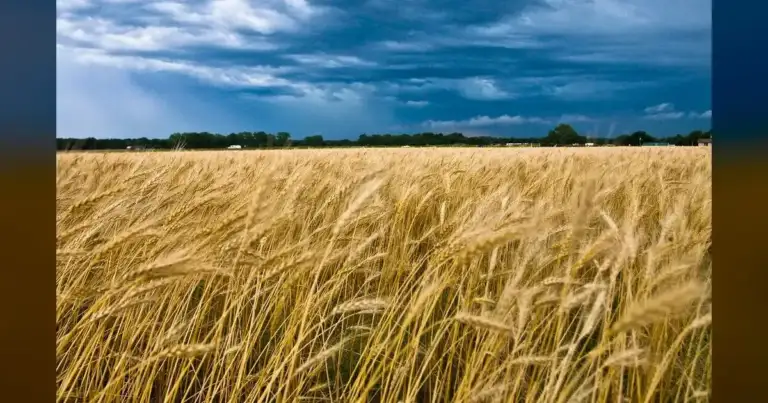
Photo: Photo by hz536n/George Thomas on Openverse (flickr) (https://www.flickr.com/photos/11703832@N08/2616652949)
Source: Google News