
East Idaho endured a day that should be a cold, hard slap in the face for anyone still clinging to the delusion that our roads are ‘safe enough.’ Thursday, April 16, 2026, delivered a brutal, 12-hour gut punch: three separate vehicle crashes across Jefferson, Bingham, and Madison counties. Two lives extinguished, several injured, and our emergency services stretched to their breaking point, responding to a crisis that felt anything but random.
First, a head-on collision on U.S. Highway 20 near Rigby around 10:30 AM. Margaret “Peggy” Jensen, 67, of Rexburg, was killed instantly when her sedan reportedly crossed the center line. Two others in the pickup she hit are recovering.

Then, just after 3 PM, Interstate 15 near Blackfoot turned into a nightmare. A multi-vehicle pileup, five cars deep, was triggered by a sudden, severe dust storm that dropped visibility to zero. David Chen, 42, of Pocatello, died at the scene, and three more were injured.
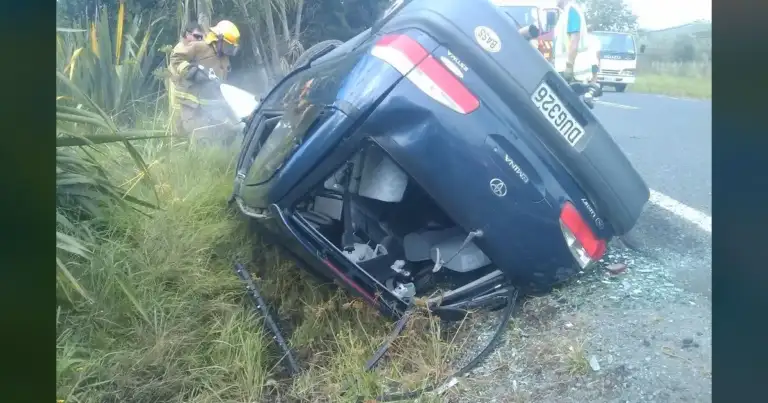
Finally, as darkness fell around 8 PM, a 19-year-old from Sugar City rolled his vehicle on State Highway 33 near Rexburg. He was ejected and seriously injured, with speed suspected as the culprit. Investigations are ongoing, of course, because that’s what we always say.
More Than Just a “Bad Day”
So, was Thursday merely a ‘bad day’ for East Idaho, or are our roads, in fact, getting deadlier by the mile? The numbers don’t lie, and they paint a grim picture.
Idaho’s overall traffic fatalities have been on a concerning, relentless upward trend, hitting 265 in 2025 – a jump from 258 the year before. This isn’t a fluke; it’s a deeply disturbing pattern.
Over 70% of Idaho’s fatal crashes happen on rural roads, precisely the kind that crisscross East Idaho like treacherous veins. Higher speed limits, longer distances, and a deadly cocktail of distracted driving and outright recklessness aren’t just factors; they are constant, predictable threats we seem unwilling to confront head-on.
“This was an incredibly challenging day for our troopers and local deputies,” stated Idaho State Police Captain John Miller. “To have three serious incidents, two of them fatal, within such a short window, truly tests our resources and our resolve. Our hearts go out to the families affected.”
Bingham County, where David Chen tragically lost his life, has tallied 12 traffic fatalities in the last 12 months alone. That grim statistic plants it squarely among Idaho’s top five deadliest counties.
When you factor in the region’s infamous, unpredictable weather – sudden, blinding dust storms, treacherous whiteouts, insidious black ice – you don’t just have a recipe for disaster. You have a ticking time bomb we’re allowing to detonate again and again.
The Hidden Costs and The Red Marker
Rigby Mayor Chad Hammond offered condolences, saying “These tragedies remind us all to slow down, pay attention, and look out for each other on the road.” And Bingham County Sheriff Craig Rowland rightly pointed out the dust storm “came out of nowhere. Visibility dropped from miles to feet in seconds.” They’re not wrong, but their statements, like most official responses, skim the surface of the problem.
Red Marker: Here’s the unvarnished truth, the one no one wants to say aloud: every time East Idaho’s highways claim another life, we get the same tired, predictable cycle. A fleeting moment of grief, hollow calls for individual responsibility, and then, inevitably, back to business as usual.
The state estimates a single traffic fatality costs over $1.7 million – a staggering figure encompassing medical bills, lost productivity, and emergency services. This isn’t just about ‘bad drivers’ or ‘bad luck’; it’s about a state and a region growing at breakneck speed.
Their road infrastructure and proactive safety measures are failing to keep pace. We’ll pour millions into cleaning up the wreckage and grieving the dead, while crucial investment in preventing these predictable disasters remains a penny-pinching afterthought, year after year.
Better warning systems, more consistent enforcement, and serious infrastructure upgrades in known hot spots are consistently overlooked. The real cost isn’t just in the irreplaceable lives lost; it’s in the profound, systemic neglect.
This neglect forces our first responders into a constant state of trauma, and leaves taxpayers to foot the bill for preventable tragedies. These tragedies benefit no one but the auto repair shops and hospitals. We are paying for the symptoms, not curing the disease, and until we demand real change, the red markers will keep appearing on our maps.
Photo: Photo by jenineabarbanel on Openverse (flickr) (https://www.flickr.com/photos/22861138@N00/3349556275)
Source: Google News