
The chilling wail of tornado sirens is a sound etched into the soul of every Oklahoman. Overnight Sunday into Monday, that familiar, terrifying symphony played again across central and southern Oklahoma.
While most of the state slept, three confirmed tornadoes ripped through McClain, Garvin, and Pontotoc counties. From Purcell to Pauls Valley to Ada, residents woke not to birdsong, but to a grimly familiar tableau: downed trees, mangled outbuildings, and the persistent drone of generators fighting to keep the lights on where power lines lay snapped.
Another Round of Chaos: “Minor” Only on Paper
The National Weather Service in Norman confirmed three touchdowns, rating them EF-0 to EF-1. These winds, 65 to 100 mph, are certainly enough to tear roofs, flatten barns, and make a devastating mess of rural properties.
Thankfully, no fatalities or serious injuries were reported, a silver lining we cling to. A Purcell resident, still shaken, told KOCO News:
“We heard the sirens and got to the shelter. It sounded like a freight train, but we’re all safe, and that’s what matters.”
But let’s be blunt: while relief is a natural reaction, we cannot gloss over the thousands who lost power – 15,000 at its peak. Utility crews from OG&E and other providers have been busting their backsides since Monday, working tirelessly to get the grid back online.
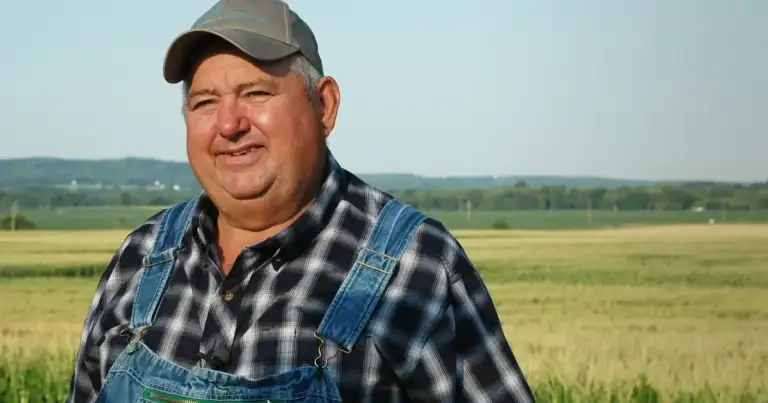
For our farmers, this isn’t just a “minor inconvenience.” Damage to precious wheat and corn crops, already nearing harvest or in critical growth stages, hits them directly in the wallet. Barns are shredded, essential equipment is damaged, and livelihoods are threatened. A local farmer near Pauls Valley, ever the stoic, put on a brave face:
“It’s frustrating to see your barn damaged and crops flattened, but we’ve been through worse. We’ll rebuild.”
But behind that grit lies a harsh reality: a towering mountain of insurance claims, bureaucratic paperwork, and relentless financial strain that can cripple a family farm for years. This isn’t just about rebuilding; it’s about surviving.
The Perpetual Grind: Is “Resilience” Enough?
Local emergency management officials, like Sarah Jenkins from Pontotoc County, are quick to laud our warning systems and community preparedness. Jenkins praised residents for taking warnings seriously and having a plan.
And yes, she’s right. Oklahomans are, regrettably, veterans of this relentless fight. We’ve built the shelters, honed the plans, and cultivated an undeniable community spirit.
Volunteers are always the first on the scene, clearing debris, offering solace, and helping neighbors pick up the pieces. But how long can we simply rely on “resilience” as a strategy?
But let’s be clear: this isn’t just about ‘resilience.’ This is a constant, grinding, and frankly, exhausting reality. State and local emergency agencies are already on the ground, meticulously assessing damage – the critical first step for tapping into state or federal aid.
USDA programs like ECP and NAP are indeed available for farmers. However, working through their labyrinthine requirements demands meticulous documentation, time, and often, legal assistance.
Insurance adjusters are already swarming the devastated areas, their clipboards a stark reminder of the financial fallout. The entire system kicks into gear, a well-oiled, albeit weary, machine for disaster recovery. It has to be. But at what cost to the human spirit and the local economy?
Red Marker: The Unseen, Unending Cost of “Resilience”
It’s time we cut the saccharine, feel-good narrative about how “resilient” Oklahomans are. Yes, we are tough as nails, but that resilience comes at a steep, often hidden, cost.
Every single time these storms roll through, it’s a fresh, debilitating hit to local economies. It’s a fresh set of insurance claims that inevitably drive up premiums for every homeowner and business in the state. And it’s a fresh, urgent draw on already strained state and potentially federal funds.
The mainstream media, from their distant newsrooms, will pat us on the head for being “tough,” but they consistently miss the crucial point: this isn’t just a natural phenomenon; it’s a perpetual, crushing financial burden and a precarious political balancing act.
So, who truly benefits from this perpetual cycle? Utility companies charge for extensive repairs, insurance companies process claims (and then, predictably, raise rates), and emergency management agencies see their funding cycles reinforced.
Farmers, the backbone of our state, often get a mere fraction of their losses back – and only if they’re lucky enough to work through the suffocating bureaucracy. The real money, the systemic profit, isn’t in preventing the damage; it’s in maintaining the infrastructure and the vast, complex systems that manage the aftermath.
So, the next time you hear the sirens, or see another news report about “minor” tornado damage in Oklahoma, remember this: the weather isn’t just a natural phenomenon here; it’s a relentless, costly business. And make no mistake, we—the people of Oklahoma—are the ones perpetually paying the premiums, one storm at a time. How much more can we truly afford?
Photo: Wikimedia Commons (query: Oklahoma face)
Source: Google News