
A Tragic Reminder of Pedestrian Vulnerability on Oklahoma’s Highways
The recent fatal crash involving the Oklahoma State University softball team bus and a pedestrian on Interstate 35 near Perry has shocked the community and underscored a tragic and persistent problem: pedestrian safety on Oklahoma’s major highways. On April 7, 2026, a pedestrian lost their life under circumstances that are still being investigated, while the OSU softball team members thankfully escaped unscathed. Yet, beyond the sorrow lies a pressing need to confront the dangers that pedestrians face when they find themselves on or near high-speed interstate roadways.
Incident Overview and Immediate Impact
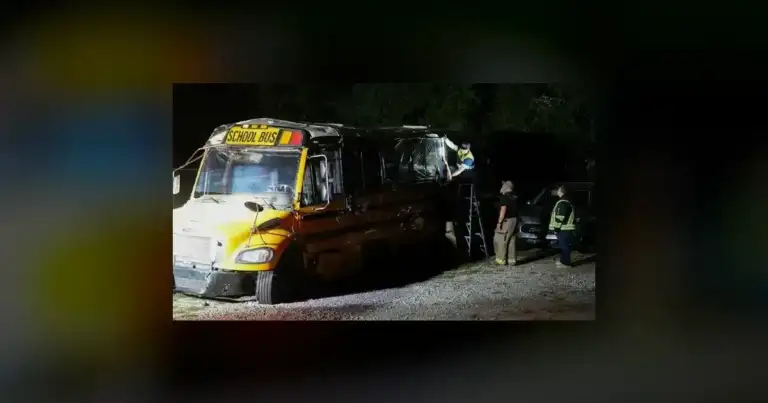
According to reports from the Oklahoma Highway Patrol, the pedestrian was struck by the OSU softball team bus as it traveled I-35 near Perry. Emergency responders arrived promptly, but unfortunately, the pedestrian was declared dead at the scene. The OSU softball team was en route to or returning from a game, a routine journey abruptly overshadowed by tragedy. The university swiftly issued a statement expressing condolences and committed to cooperating fully with authorities, while also providing counseling support for the team members.
Though the pedestrian’s identity has been withheld pending family notification, this incident has triggered grief and calls for answers. The Oklahoma Highway Patrol continues to investigate, seeking to understand how and why the pedestrian was on or near the interstate — a place ill-suited for foot traffic and perilous at even low speeds.
A Broader Issue: Pedestrian Safety on Highways
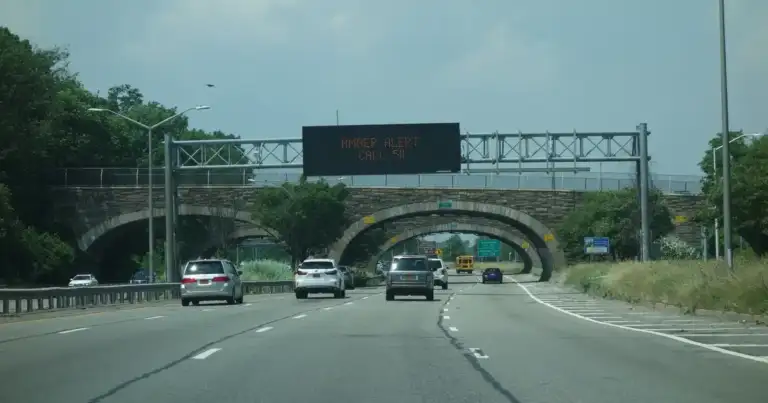
Oklahoma averages around 100 pedestrian fatalities annually, a significant number of which occur near or on highways. I-35, a critical north-south artery through the state, carries heavy volumes of traffic at speeds often exceeding 70 miles per hour. It is, frankly, a dangerous environment for anyone on foot. This recent tragedy tragically reminds us that despite advances in road engineering and vehicle safety, pedestrian risks remain alarmingly high, especially in rural or semi-rural areas where sidewalks, pedestrian crossings, and protective barriers are rare to nonexistent.
Transportation safety advocates have long highlighted these dangers, urging enhanced measures such as better signage warning motorists and pedestrians alike, fencing or barriers to prevent unauthorized access to highways, and public education campaigns about the risks. This incident, involving not just an individual but a widely recognized university sports team, amplifies the urgency of these calls.
Community, Safety, and Prevention Moving Forward
The local community around Perry and the broader Oklahoma public must grapple with the implications of this tragedy. It raises difficult questions about infrastructure and enforcement in and around high-speed roadways. How did the pedestrian come to be on the interstate? Was there an absence of adequate warning signs or physical barriers? While the investigation continues, these questions demand answers.
Furthermore, this event should prompt a renewed commitment from state transportation authorities and policymakers to prioritize pedestrian safety measures, especially in areas adjoining major highways. Public safety does not solely rest on driver vigilance—it requires infrastructure that minimizes exposure to harm and proactive strategies to protect all road users.
Conclusion: A Call for Action Amidst Mourning
While the Oklahoma State softball team and the broader community mourn the loss of a life in these tragic circumstances, this incident must serve as a catalyst for change. It starkly highlights how vulnerable pedestrians remain in environments designed for fast-moving vehicles. The intersection of human error, inadequate infrastructure, and high-speed traffic is a recipe for disaster that can—and should—be addressed.
“No one should have to lose their life simply by being on or near a roadway designed to move traffic swiftly and efficiently.”
As the investigation into the crash progresses, let this tragedy remind us all that pedestrian safety is an urgent public health and safety priority. Oklahoma must act decisively to reduce these preventable deaths, to safeguard its communities, and to honor those lost by preventing future heartbreak on its highways.
Source: Google News