
A Wake-Up Call: Measles Exposure at Boise Airport Highlights Urgent Need for Vigilance and Vaccination
In early April 2026, Idaho health officials sounded an alarm that should resonate far beyond the Gem State’s borders: a confirmed case of measles was detected at Boise Airport during April 5-6, potentially exposing thousands of travelers to this highly contagious virus. While no secondary cases have yet been confirmed, the warning serves as a stark reminder that the threat of measles — once thought nearly eliminated in the United States — remains potent, particularly in crowded, transient environments like airports.
The Idaho Department of Health and Welfare (IDHW) acted swiftly, notifying travelers and airport personnel who might have come into contact with the infected individual. From ticket counters to security checkpoints and boarding gates, the virus had the potential to disseminate via respiratory droplets in the bustling microcosm of human movement. This scenario lays bare the invisible risks many of us face daily, especially in public spaces where vaccination coverage is less than universal.
Understanding the Stakes
Measles is among the most contagious viruses known to science. According to epidemiological data, one infected person can transmit the virus to 12 to 18 others in a susceptible population. Idaho’s vaccination rate for children currently stands at approximately 92%, which, while relatively high, falls short of the 95% threshold commonly accepted as necessary to achieve herd immunity. This gap leaves communities, especially those with pockets of unvaccinated individuals, vulnerable to outbreaks that can spread rapidly and cause serious health complications.
The Boise Airport, serving over 3 million passengers annually, creates a perfect storm for contagion: a densely populated environment with constant flows of people from diverse regions, some potentially carrying infections acquired elsewhere. This exposure event is a cautionary tale underscoring how diseases once thought defeated can resurface, fueled by global travel and vaccination gaps.
Community and Institutional Responses
In response, the IDHW has intensified its public health messaging, emphasizing the critical importance of vaccination—not just for children but for all eligible individuals, particularly travelers and those working in hubs like airports. Local hospitals and clinics in Boise have been put on alert to identify and respond rapidly to any new measles cases, ensuring early treatment and containment.
Furthermore, the Boise Airport has expanded sanitation efforts and installed prominent signage to educate travelers about symptoms and encourage vaccination. Collaboration with national agencies like the Centers for Disease Control and Prevention (CDC) is underway to trace possible spread beyond Idaho’s borders, reflecting the interconnected nature of modern public health threats.
Addressing Public Concerns and Misconceptions
While the vast majority of the public and health professionals recognize the seriousness of this situation, a small minority of anti-vaccine voices continue to cast doubt on the urgency of vaccination, undermining efforts to close immunity gaps. Public health officials must combat misinformation with transparent, evidence-based communication, reinforcing that vaccination is the most effective, safest means to prevent measles outbreaks and protect vulnerable populations.
The recent incident at Boise Airport is not just a local health advisory; it is a clarion call to all communities about the enduring threat of measles and the critical role that vaccination plays in safeguarding public health. As the world becomes increasingly connected, exposure risks escalate, but so too does our ability to prevent disease. It is imperative for every individual to assess their immunization status seriously and for public health entities to maintain vigilant surveillance and rapid response capabilities.
Looking Ahead
Although no new measles cases linked to the Boise Airport exposure have yet been reported, the situation remains fluid. Health experts caution that symptoms may take up to two weeks to manifest, underscoring the need for continual monitoring. This episode should inspire renewed commitment to vaccination programs, better public awareness campaigns, and enhanced cooperation between health departments and transportation hubs nationwide.
Ultimately, the Boise measles exposure serves as a timely reminder: infectious diseases do not recognize borders or travel itineraries, and the collective health of our society depends on proactive, informed, and united action.
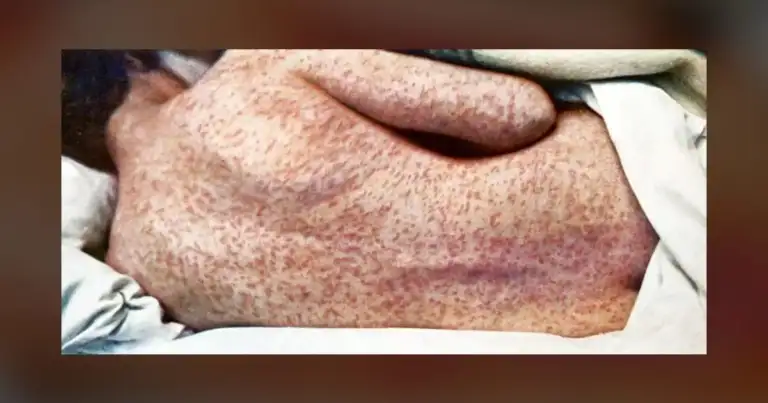
Photo: Photo by Unknown on Openverse (wikimedia) (https://commons.wikimedia.org/w/index.php?curid=36058620)
Source: Google News