
Idaho Falls officials want us to believe they achieved a “peaceful resolution” this week. Don’t fall for it. The surrender of John Doe, 42, after a seven-and-a-half-hour standoff wasn’t a triumph of de-escalation; it was another glaring, costly symptom of systemic failure right here in our city.
The incident began around 8:00 PM on Monday, May 26, 2026, on Elm Street, near 10th. Police arrived responding to a domestic disturbance – a critical detail the official narrative often downplays. This wasn’t some spontaneous, isolated event; it ignited with violence, almost certainly against someone trapped in that home.

John Doe defied commands, retreated inside, and issued threats. Seven and a half grueling hours later, at 3:30 AM on Tuesday, May 27, he finally emerged. That’s seven and a half hours of terror and disruption for an entire neighborhood.
The Real Cost of “Peaceful”
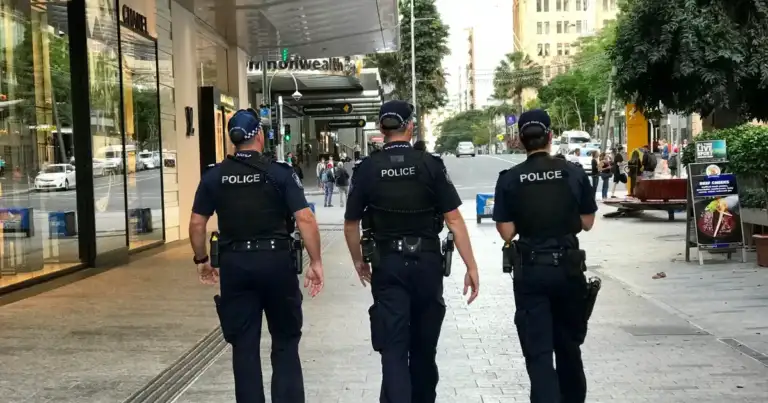
What really transpired during those seven and a half hours? The Idaho Falls Police Department (IFPD) activated its full SWAT team, alongside crisis negotiators. Consider the sheer volume of resources utterly consumed. Taxpayer money hemorrhaged for hours as one individual effectively held an entire neighborhood hostage.
Residents were confined to a shelter-in-place order, their routines shattered, their sense of security violently undermined. All of this, because John Doe chose to dig in, and our systems couldn’t prevent it.
The IFPD’s public statement, predictably, trumpets the suspect being taken into custody “without injury to himself, law enforcement, or the public.”
“Taken into custody without injury to himself, law enforcement, or the public.”
This convenient narrative utterly glosses over the harrowing initial domestic disturbance. It brazenly ignores the profound stress inflicted upon our community. It dismisses the tangible financial burden shouldered by every Idaho Falls taxpayer. Let’s be clear: this wasn’t a triumph; it was a desperate exercise in damage control, dressed up as success.
Who Pays When Systems Fail?
The police department will, without a doubt, frame this protracted incident as a shining example of their training and de-escalation tactics. And yes, thankfully, nobody died. But is merely avoiding fatalities truly our benchmark for success? That’s an alarmingly low bar.
The urgent, unanswered question remains: why did it ever escalate to this perilous point? What critical support systems failed John Doe long before he barricaded himself, spewing threats? And what about the victim of that initial domestic disturbance? Were their needs genuinely met, or were they simply reduced to a tragic catalyst for this obscenely expensive standoff?
The brutal truth is, these so-called “peaceful resolutions” are not victories; they are merely the visible tip of a colossal, submerged iceberg of societal neglect. They starkly expose a system built on reaction, not proactive intervention. We funnel immense resources into managing the chaos after it erupts, instead of making meaningful investments in robust mental health services, comprehensive domestic violence prevention programs, and vital community support networks that could decisively prevent these volatile situations from ever reaching critical mass.
Here’s the unvarnished reality: The IFPD may declare victory, but the residents of Idaho Falls just footed a staggering bill for a crisis that originated from a domestic call. This “peaceful outcome” narrative is nothing more than a convenient smokescreen. It allows law enforcement to sidestep genuine scrutiny of the profound underlying failures that fueled this barricade in the first place.
They save face by averting bloodshed, while the true cost—both financially crippling and deeply societal—is silently, relentlessly passed onto the public. It is a profound failure, not a success, when it demands half a night, an army of responders, and untold taxpayer dollars to contain one man’s crisis. Especially when that crisis began with violence tearing through a home.
Until Idaho Falls demands accountability and courageously confronts these root causes, don’t just get ready for more expensive “peaceful resolutions.” Expect them. Understand that each one represents a deeper wound on our community.
Photo: Tony Webster
Source: Google News