
The Colorado River Decision: A Difficult Reality for Colorado and Its Future
In a recent press briefing on April 7, 2026, U.S. Interior Secretary Deb Haaland delivered a sobering message regarding the imminent federal decision on Colorado River water use reductions. “Nobody will be happy,” she stated, highlighting the monumental challenge of balancing the needs of seven basin states amid an unprecedented drought crisis. For Colorado, this announcement signals a profound reckoning with the realities of water scarcity and the tough choices that lie ahead.
Facing Unprecedented Water Cuts
The Colorado River, long considered the lifeblood of the American Southwest, has now become a symbol of growing environmental strain and human conflict over dwindling resources. Reservoir levels at Lake Powell and Lake Mead have plummeted to below 30% capacity — the lowest in recorded history. This catastrophic decline is the result of an ongoing 23-year mega-drought, the worst in over a millennium, which has upended the assumptions underlying the river’s historic water allocations.
Colorado, as an upper-basin state, holds roughly 18% of the river’s allocated water. Yet, the looming federal plan will impose mandatory cuts on all seven basin states — including Colorado — with reductions estimated between 15% and 25%. These figures translate into real and immediate impacts for the state’s agriculture, municipalities, and industry. Agriculture alone consumes approximately 80% of Colorado’s river water, making the implications for farming communities particularly grave.
The Human and Economic Toll on Colorado’s Western Slope
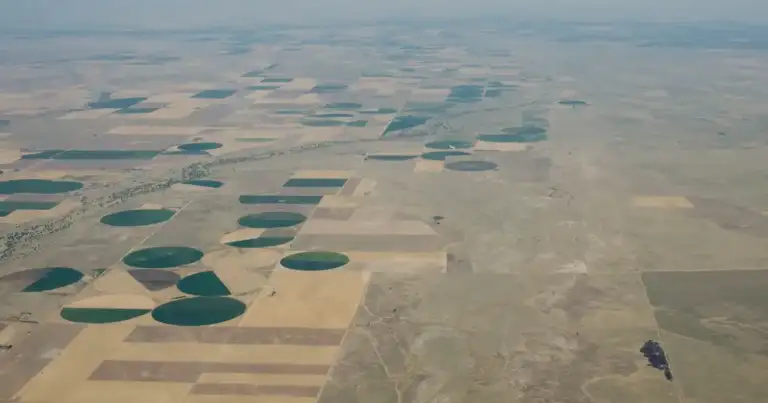
Farmers and rural communities in Colorado’s Western Slope are understandably alarmed. The proposed reductions threaten crop yields, jeopardize agricultural jobs, and ripple through local economies dependent on farming. These communities, already grappling with economic uncertainty, face a precarious future as water—a fundamental input to their livelihood—becomes scarcer.
“This is not just an environmental crisis; it is an economic and social crisis for many Coloradans,” said a local water official during recent stakeholder consultations. This sentiment encapsulates the tension between maintaining economic vitality and adapting to stringent water limitations.
Balancing Diverse Stakeholders and Interests
Secretary Haaland’s emphasis on a “balanced approach” underscores the complexity of this issue. Federal officials aim to protect tribal water rights, uphold environmental sustainability, and secure urban water supplies in growing municipalities like Denver and Colorado Springs. Tribal nations have rightly insisted on full recognition of their water rights, which have historically been marginalized in river negotiations.
Urban providers are proactively preparing for water restrictions while lobbying for federal support to upgrade infrastructure and improve water efficiency. Environmental groups advocate for more aggressive conservation efforts and restoration to mitigate ecological collapse, recognizing that the health of the river’s ecosystems is integral to the long-term viability of the entire basin.
Charting a Path Forward
The coming weeks will see the Interior Department finalize and announce the official cutback plan. For Colorado, this moment demands leadership, resilience, and innovation. Policymakers must work collaboratively with farmers, urban planners, tribal leaders, and environmental advocates to craft solutions that minimize harm and maximize sustainability.
Investment in water-saving technologies, diversified crop strategies, and enhanced water management policies are not just options—they are necessities. Moreover, transparent communication and equitable decision-making will be essential to maintain public trust and social cohesion as the state navigates these painful adjustments.
Conclusion
The stark reality articulated by Secretary Haaland—that “nobody will be happy”—reflects the harsh truth that there are no easy answers. The Colorado River decision is not merely a regulatory action; it is a historic crossroads. How Colorado responds will shape its environmental health, economic stability, and community well-being for generations to come.
In embracing this challenge, Colorado has the opportunity to lead by example—demonstrating that even in the face of scarcity, thoughtful stewardship, cooperation, and innovation can forge a sustainable future for all who depend on this mighty river.
Source: Google News