
Prioritizing Safety Amidst the Storm: Hawaii’s Proactive Response to Severe Weather
On April 10, 2026, the island of Oahu faced one of the more severe weather challenges in recent memory as a powerful low-pressure system swept across the region. In response, Hawaii’s state government made the decisive call to close all state entities and public schools on Oahu for the day — a move that underscored the importance of public safety in the face of nature’s unpredictability.
This preemptive shutdown was no mere overcaution. The National Weather Service issued a high wind warning alongside flash flood watches, forecasting heavy rains, wind gusts reaching 50-60 miles per hour, and flooding risks. Such conditions have the potential to jeopardize lives, disrupt daily routines, and inflict significant property damage. The closure allowed residents to prepare, stay off hazardous roads, and provided emergency services with the space and resources necessary to respond efficiently.
A Necessary Disruption for Protection
While the inconvenience caused by a full-day shutdown should not be underestimated — with many feeling frustration over lost work hours and interruptions to educational schedules — the benefits are evident. The Department of Education’s unwavering commitment to protect students and staff led to a 100% closure of schools, which likely prevented countless potential accidents and allowed families to focus on safety instead of commuting through perilous conditions.
From a broader perspective, the reduction in road traffic was a key factor in ensuring public safety. Traffic accident reports dropped by nearly half compared to a typical Friday, a statistical testament to the impact of limiting movement during hazardous weather. Emergency responders, freed from the usual gridlock, could accelerate rescue efforts and power restoration, directly benefiting those affected by the storm.
Challenges Beneath the Surface
The storm brought about tangible consequences: up to six inches of rain fell in just 24 hours, causing localized flooding, especially in windward and central Oahu. Approximately 15,000 households faced power outages during the peak, underscoring the storm’s reach and intensity. Emergency shelters were activated in flood-prone neighborhoods, a vital lifeline for many residents.
However, it is essential to acknowledge the voices often overlooked during such crises — the homeless population and transient workers residing in vulnerable zones. These groups are disproportionately affected and may lack access to adequate shelters or resources. Policymakers and community organizations must intensify efforts to provide comprehensive support systems that ensure no one is left behind in future emergencies.
Economic Ripples in a Delicate Ecosystem
Local businesses, especially small enterprises situated in flood-prone areas, bore the brunt of temporary closures and reduced hours. The disruption, though necessary, impacts daily revenue and underscores the fragility of Hawaii’s economic landscape in the face of severe weather. Yet, considering the alternatives—damage to infrastructure, injury, or loss of life—the temporary sacrifices made by the business community are part of a wider commitment to communal resilience.
Learning from History to Build a Safer Future
Severe weather shutdowns in Hawaii are infrequent but not unprecedented. The February 2025 Kona low, which caused widespread flooding and economic disruption, serves as a stark reminder of what can occur without sufficient preparedness. Each event builds on previous lessons, enhancing the island’s ability to mitigate future risks.
Moving forward, the challenge lies not only in reactive measures but in proactive planning—investing in robust infrastructure, early warning systems, and community outreach programs that minimize vulnerability. Equally crucial is fostering collaboration between government agencies, emergency services, businesses, and residents to create a unified front against the forces of nature.
Conclusion
The closure of state offices and schools on Oahu during the April 10 storm was a demonstration of responsible governance and community care. While disruptions are never welcomed, the priority remains clear: safeguarding lives and minimizing harm. As Hawaii continues to face the realities of a changing climate and more frequent extreme weather events, such decisive action, combined with long-term resilience strategies, will be essential in protecting the islands and their people.
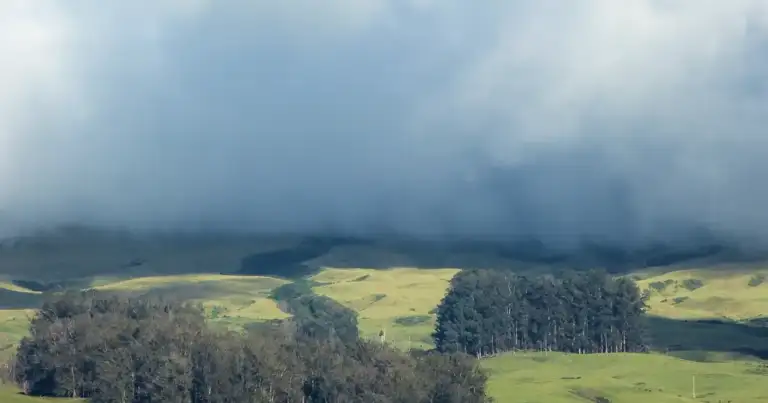
Photo: Photo by Rennett Stowe on Openverse (flickr) (https://www.flickr.com/photos/10393601@N08/39110530322)
Source: Google News