
Urgent Action Needed as Wildfire Threatens Larimer County Communities
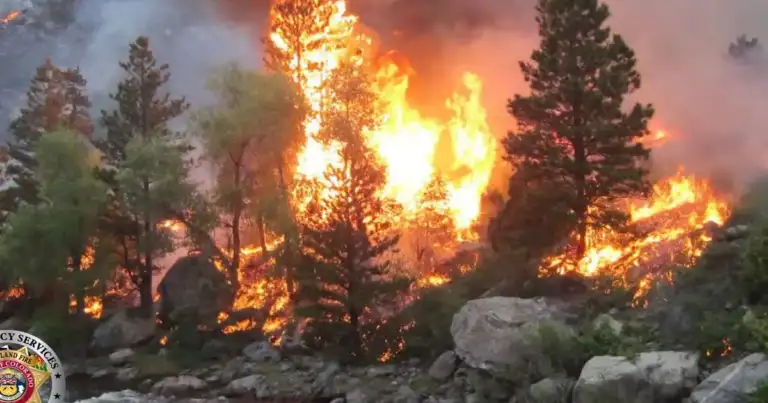
In the past 48 hours, a rapidly escalating wildfire south of Carter Lake in Larimer County, Colorado, has forced mandatory evacuations for over 1,000 residents and placed communities along the Horsetooth Reservoir on high alert. The blaze, which has consumed more than 500 acres, remains only 20% contained as firefighters battle dry, windy conditions that fuel the fire’s relentless advance. This unfolding crisis is a stark reminder of the increasing dangers posed by wildfires in the American West—a challenge that demands immediate and sustained attention from local authorities, policymakers, and residents alike.
The Immediate Threat and Response
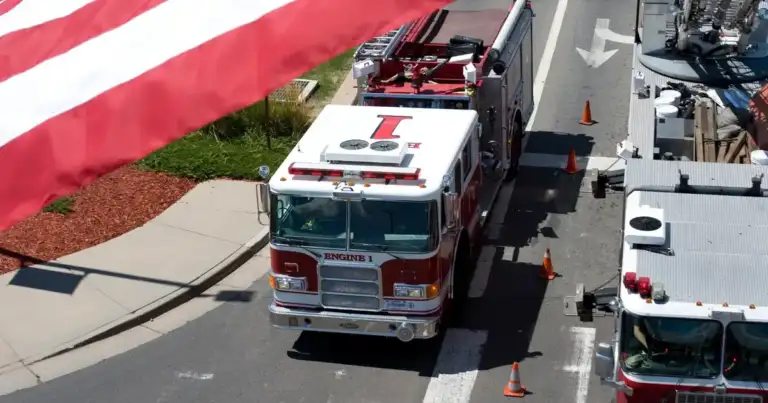
Since the fire erupted, Larimer County Emergency Management and the Colorado Division of Fire Prevention and Control have deployed more than 150 personnel, including five helicopters and ten fire engines, to contain the blaze. Despite these extensive efforts, the fire’s rapid expansion is being driven by winds reaching up to 25 miles per hour and relative humidity levels below 15%, creating dangerously dry and combustible conditions. The local government’s swift decision to issue mandatory evacuation orders reflects the severity of the threat to life and property. While residents understandably express frustration over the sudden displacement, prioritizing safety is paramount as the fire remains out of control.
Evacuations affect not only residential neighborhoods but also impact the economy surrounding Carter Lake, a popular recreational destination. The challenge for Larimer County officials is balancing the urgent need to protect citizens with the economic consequences of closing off key areas and disrupting tourism and local businesses. Yet, in moments like these, economic concerns must take a backseat to human safety.
Environmental and Long-Term Implications
Beyond the immediate danger, environmental groups warn of significant ecological damage. The region’s forests and wildlife habitats, already stressed by previous wildfires such as the 2020 Cameron Peak Fire, face further disruption. The Cameron Peak Fire, which scorched over 200,000 acres, still haunts the landscape and community memory, underscoring the persistent vulnerabilities of this region to wildfire events.
The cause of the current fire remains under investigation, but early reports suggest human activity or equipment use may have sparked the blaze. This possibility highlights the ongoing need for public education and stricter regulations to prevent ignition sources, especially during periods of high fire risk.
Climate Change and the Increasing Wildfire Frequency
The escalating frequency and intensity of wildfires in Larimer County and across Colorado are inextricably linked to broader environmental changes. Prolonged droughts, rising temperatures, and shifting weather patterns—hallmarks of climate change—have created tinderbox conditions. Moreover, expanding residential development into historically fire-prone areas increases both the risk to human life and the complexity of emergency response.
Communities must recognize that wildfires are no longer isolated events but part of a growing trend requiring comprehensive mitigation strategies. Investment in forest management, fire-resistant infrastructure, and community preparedness programs is crucial. Additionally, increased funding for firefighting resources and evacuation infrastructure will be essential as these fires become more frequent and destructive.
A Call for Collective Responsibility and Preparedness
As Larimer County confronts this latest wildfire, it is imperative that residents, government agencies, and environmental organizations work collaboratively. Residents should heed evacuation orders promptly to safeguard their lives and aid emergency efforts. Firefighters and emergency responders deserve our support and gratitude for their tireless work under extreme conditions.
Meanwhile, policymakers must accelerate initiatives aimed at wildfire prevention and climate resilience. This includes stricter land use planning, enhancing early warning systems, and investing in sustainable forest management practices.
“Wildfires are no longer rare anomalies; they are becoming a persistent reality that demands a proactive and unified response.”
The current fire south of Carter Lake is a powerful reminder that the safety of our communities—and the health of our environment—hinges on preparedness, cooperation, and decisive action. As we watch this fire unfold, let it galvanize our collective commitment to safeguarding Larimer County and the broader Colorado region for generations to come.
Source: Google News