
A Tragic Reminder: The Cost of Adventure and the Call for Enhanced Safety in Connecticut Parks
On April 6, 2026, a somber cloud settled over Connecticut’s outdoor community as news broke of a young hiker’s tragic death in one of the state’s beloved parks. A 23-year-old, full of promise and enthusiasm for the great outdoors, lost their life after a fall from a steep cliff on a challenging trail. This heartbreaking incident is a stark reminder of the inherent risks in recreational hiking, even in a state renowned for its natural beauty and well-maintained parklands.
Connecticut’s state parks serve as cherished refuges for hundreds of thousands of residents and tourists alike, offering trails winding through dense forests, dramatic rocky overlooks, and serene vistas. Yet, the very features that attract adventurers can also harbor danger. Falls remain one of the leading causes of hiking-related fatalities, nationally and locally. Despite ongoing safety efforts by the Connecticut Department of Energy and Environmental Protection (DEEP) and park officials, this latest tragedy underscores that more must be done to protect the lives of those who seek solace and recreation in our wilderness areas.
The Incident and Its Aftermath
According to emergency responders, witnesses alerted authorities quickly when the hiker fell at the base of a rocky precipice within the park. Despite swift medical intervention at the scene, the injuries proved fatal. The Connecticut State Police, alongside park officials, have launched a thorough investigation to clarify the circumstances that led to this fatal accident.
In the hours and days following, the victim’s family and friends have been left grappling with unimaginable grief. Their sorrow, coupled with calls for enhanced safety measures, resonates deeply across the community. Meanwhile, park officials face the challenging balance of maintaining public access to these treasured natural spaces while ensuring that visitors can explore them safely.
Safety: A Collective Responsibility
While natural environments come with inherent risks, proactive steps can mitigate dangers and save lives. The Connecticut hiking community and the public at large must take this tragedy as a sobering reminder: venturing outdoors demands respect for the terrain, careful preparation, and adherence to posted guidelines. Trail signage, physical barriers, and emergency protocols, while helpful, cannot substitute for individual vigilance.
Moreover, the incident compels us to ask: are our parks adequately funded and equipped to handle these risks? Over the past five years, hiking-related injuries and deaths in Connecticut have pointed to the need for increased investment in trail maintenance, safety infrastructure, and visitor education. This investment is not a burden but an essential commitment to the community’s well-being and to preserving the state’s reputation as a safe haven for outdoor enthusiasts.
Learning from History and Looking Forward
Connecticut’s history is marked by previous accidents that have prompted incremental safety improvements. Yet, as outdoor recreation grows in popularity, so too does the urgency to reexamine our approach to park safety comprehensively. State agencies and park managers must collaborate with community groups, hikers, and safety experts to devise innovative solutions—from enhanced warning systems to better emergency response capabilities.
A Call for Awareness and Action
“Safety does not diminish the freedom of exploration; it preserves it for all who seek the wilderness.”
The recent loss is a painful catalyst for change. It beckons every visitor to these treasured landscapes to embrace caution, preparedness, and respect for nature’s unpredictable power. It also challenges policymakers to prioritize funding and resources that protect lives without compromising access to Connecticut’s magnificent outdoors.
In mourning the life of a vibrant young hiker, we are reminded that the joy of discovery in nature carries responsibility. Let this tragedy be a wake-up call, motivating a united effort to ensure that our parks remain sanctuaries not only of beauty but also of safety for generations to come.
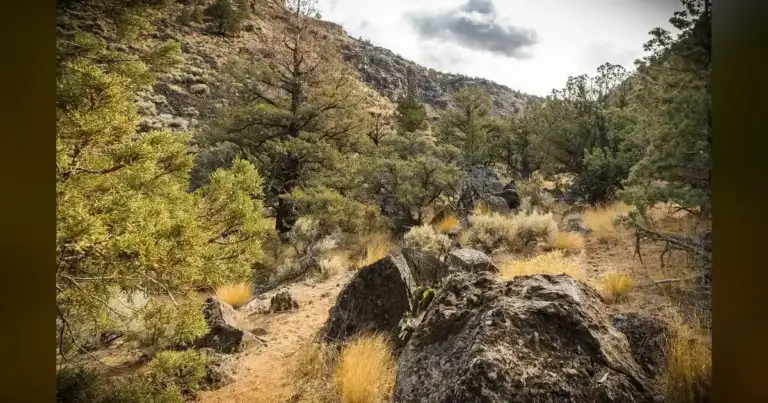
Photo: Photo by BLM Oregon & Washington on Openverse (flickr) (https://www.flickr.com/photos/50169152@N06/38051670444)
Source: Google News