
Accountability and Safety: The Urgent Need for Reform in Medical Workplace Conduct
The recent charges against a Draper plastic surgeon accused of raping an employee have sent shockwaves through Utah’s medical community and beyond. This disturbing allegation is much more than an isolated criminal case — it is a glaring spotlight on the urgent need for systemic changes to protect employees in medical workplaces, ensure accountability within the healthcare profession, and restore public trust in those entrusted with our care.
Breaking the Silence on Workplace Sexual Assault
Sexual assault in workplace settings remains a troubling reality nationwide, with Utah experiencing a noticeable increase in reported incidents over the past two years. That the workplace is often expected to be a safe environment only makes violations like these even more reprehensible. When the alleged perpetrator holds a position of power — a plastic surgeon in this instance — the dynamics of coercion and fear become even more pronounced.
“Workplace safety is not negotiable. Employees deserve environments free from harassment and abuse, especially in healthcare settings where vulnerability is inherent.” — Local employee safety advocate
For the victim, an employee whose identity is being rightfully protected, the courage to come forward is monumental. But the responsibility does not end at reporting; it falls squarely on law enforcement, the judicial system, and licensing authorities to act swiftly and decisively.
Legal and Professional Implications
Law enforcement agencies in Draper, in cooperation with the Utah County District Attorney’s Office, have moved quickly to bring charges against the surgeon, demonstrating a commendable commitment to justice. The medical board’s prompt notification and likely suspension of the surgeon’s license send a clear message: professional misconduct, particularly of a sexual nature, will not be tolerated.
However, this case also exposes cracks in the system. Historically, action against medical professionals accused of similar offenses has been inconsistent, sometimes delayed by lengthy investigations or inadequate regulatory frameworks. Utah’s medical licensing board suspends or revokes about 5-7 licenses annually due to misconduct, including sexual assault, yet public trust remains fragile. Swift and transparent proceedings are crucial to affirming that no one is above the law or ethical standards.
The Power Imbalance Must Be Addressed
The medical profession inherently involves power imbalances between practitioners and employees or patients. When those in positions of authority abuse their power, the consequences extend beyond individual victims—they erode public confidence in healthcare institutions as a whole.
This case should catalyze pushing for stronger oversight measures, such as enhanced vetting procedures, mandatory training on workplace conduct, and robust reporting mechanisms. Medical practices must foster cultures where employees feel safe and empowered to speak up without fear of retaliation.
What the Community Needs to Know
As the accused awaits arraignment and forthcoming legal proceedings, the community’s reaction is a mix of shock and a demand for justice. It is a sober reminder that the trust we place in medical professionals must be matched by their accountability. The impact of sexual assault transcends the individuals involved and challenges the integrity of the entire healthcare system.
We must underscore the vital importance of supporting victims, ensuring thorough investigations, and holding perpetrators responsible. Moreover, this case should inspire legislative and professional reforms to protect all employees within medical practices — a step toward safer workplaces and restored public faith.
Conclusion
The Draper plastic surgeon’s charges are a grave reminder that sexual misconduct in the workplace cannot be ignored or tolerated, especially when it occurs within the sanctum of medical care. Utah’s response, from law enforcement to licensing bodies, will be closely watched and must be decisive.
For victims, for employees, and for every patient, the message must be unequivocal: abuse of power has consequences, and safety in the workplace is a right, not a privilege.
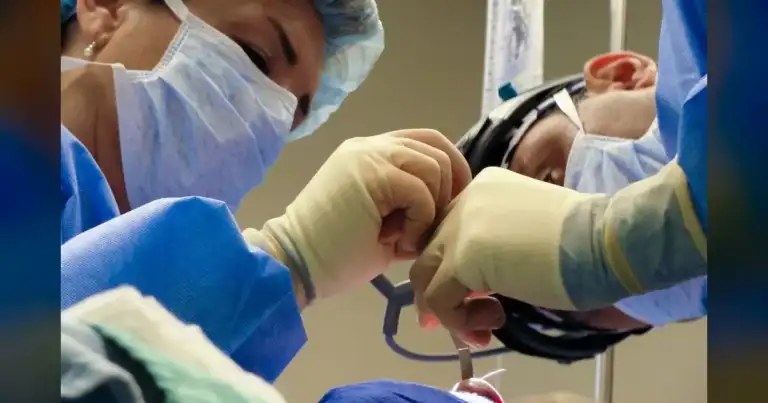
Photo: Photo by Best In Plastics on Openverse (flickr) (https://www.flickr.com/photos/49103876@N03/4893506016)
Source: Google News