
Another life extinguished on Oklahoma City streets. That’s the brutal reality we woke up to this Friday, following a fatal collision Thursday evening near SW 59th Street and South May Avenue. While the Oklahoma City Police Department (OCPD) sifts through the wreckage for answers, one thing is chillingly clear: our city’s infrastructure continues to fail its most vulnerable residents, turning routine commutes into deadly gambits.
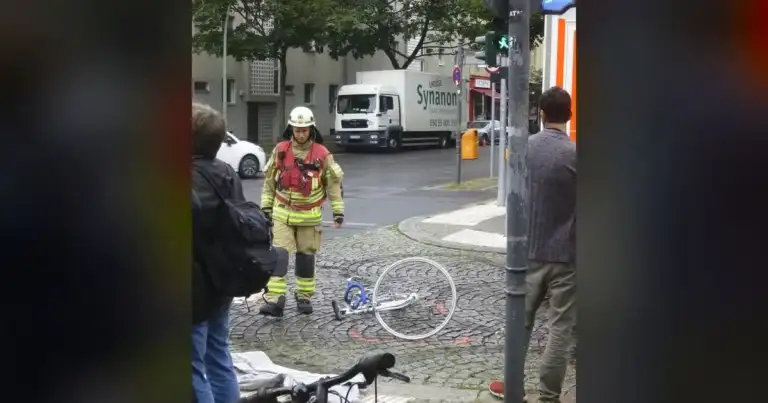
At approximately 7:30 PM, the unthinkable happened: a bicyclist was struck by a vehicle and died at the scene. OCPD officers immediately sealed off SW 59th Street between May and Western Avenues, a necessary disruption for investigators to meticulously piece together the tragedy. As Sgt. Dillon Quirk of the OCPD confirmed, “Our officers responded to a fatal collision involving a vehicle and a bicyclist last night around 7:30 PM. The bicyclist unfortunately succumbed to their injuries at the scene. The driver remained on site and is cooperating fully with our investigation. SW 59th Street was closed for several hours but has since reopened.”

Let’s be direct: while the investigation is ongoing and no arrests have been made, focusing solely on the immediate incident misses the forest for the trees. This isn’t just an isolated “accident”; it’s a glaring symptom of a deeply flawed system, a systemic failure that continues to claim lives on Oklahoma City’s roads.
Beyond the Scene: The Unseen Costs of Neglect
The human cost of this tragedy is, of course, immeasurable for the victim’s loved ones. But the ripple effects spread far wider. Imagine the trauma for the driver involved, even if they were faultless. And for Oklahoma City’s cycling community, this incident is another gut punch, another stark reminder that navigating our streets often means risking your life in infrastructure designed almost exclusively for cars. This isn’t just about one crash; it’s about a city that has consistently prioritized speed and convenience for vehicles over the safety of every single person using its roadways.
Consider the cold, hard data: The Oklahoma Highway Safety Office (OHSO) reported a staggering 12 bicyclist fatalities statewide in 2024 alone, a grim increase from the previous year. Oklahoma City, with its sprawling layout and car-centric design, consistently contributes disproportionately to these sobering statistics. These aren’t just abstract figures; they represent mothers, fathers, siblings, and friends whose lives were abruptly cut short. They represent futures stolen, families shattered. How much more evidence do we need before we acknowledge the pattern, before we admit that these are not isolated incidents but rather predictable outcomes of our current urban planning?
A Call for Action, Not Just Investigation
While the OCPD does its vital work investigating the specifics of Thursday’s crash, our city leaders must simultaneously initiate a far more critical examination of our urban planning and infrastructure. Were the streetlights working at that intersection? Are there dedicated, protected bike lanes, or are cyclists routinely forced into a deadly dance with high-speed traffic on narrow thoroughfares? These are not academic questions; they are fundamental to preventing the next tragedy.
We must break free from this reactive cycle of incident-investigation-reopening. It is time, past time, for a proactive, comprehensive strategy that unequivocally prioritizes the safety of all road users – drivers, cyclists, and pedestrians alike. This demands significant investment in robust, separated bike infrastructure, the implementation of effective traffic calming measures that actually slow cars down, and sustained public awareness campaigns that foster a culture of shared responsibility on our roads. The death on SW 59th Street is not just a statistic; it is a searing indictment of our collective inaction. Until we confront these fundamental issues head-on, our streets will remain a dangerous, often deadly, gauntlet for too many. The time for meaningful, decisive change is not tomorrow, not next year, but right now.
Photo: Photo by illustir on Openverse (flickr) (https://www.flickr.com/photos/12505664@N00/20678334433)
Source: Google News