

Utah’s Vanishing White Gold: A Wake-Up Call We Can No Longer Snooze Through
There’s a chill in the air, but it’s not from a late spring snowstorm. It’s the stark reality of Utah’s latest snowpack report, and frankly, it should send shivers down every Utahn’s spine. As of April 1st, our statewide snow water equivalent clocked in at a staggering 2.7 inches, marking the lowest April 1st snowpack ever recorded in nearly a century. This isn’t just a bad winter; it’s a flashing red light on our collective dashboard, signaling a profound shift we can no longer afford to ignore.The Numbers Don’t Lie: Unprecedented Lows
For those of us who cherish Utah’s pristine slopes and the vibrant ecosystems fed by winter’s bounty, these figures are more than just statistics—they’re a harbinger of change. The Natural Resources Conservation Service (NRCS) reports that our snowpack now stands at a mere 15-19% of normal levels. Think about that for a moment. This isn’t a slight dip; it’s a precipitous drop into uncharted territory. Our peak snowpack, reached back on March 9th at 8.3 inches, was also the lowest ever observed in the modern era. What does this mean for the state often lauded for “The Greatest Snow on Earth”? It means a critical portion of our water supply, replenished year after year by these very mountains, is alarmingly diminished. It means less runoff to fill our reservoirs, less water for our farms, and a more precarious future for our booming population.Beyond the Slopes: The Ripple Effect
The implications of such a meager snowpack extend far beyond the ski resorts, though their long-term viability certainly faces scrutiny. This isn’t merely an inconvenience for our winter recreation; it’s an existential challenge for our entire way of life. * Water Scarcity: Nearly 60% of Utah is now grappling with extreme drought. This isn’t just about turning off the tap; it’s about the very sustenance of our communities. Expect more stringent water restrictions this summer, impacting everything from our gardens to our industries. * Agricultural Strain: Our farmers and ranchers, the backbone of many rural communities, are facing immense pressure. With reduced water allocations, we could see fallowed fields and diminished yields, translating to higher food costs and economic hardship. * Environmental Impact: The health of our natural environment is inextricably linked to our water supply. Lower stream flows threaten native fish populations and wildlife. And, of course, the Great Salt Lake—already at perilously low levels—will suffer further, exacerbating air quality issues along the Wasatch Front as more lakebed is exposed. * Wildfire Risk: A drier landscape means a heightened risk of devastating wildfires, threatening homes, livelihoods, and our cherished wilderness areas.The “New Normal” We Can’t Afford to Normalize
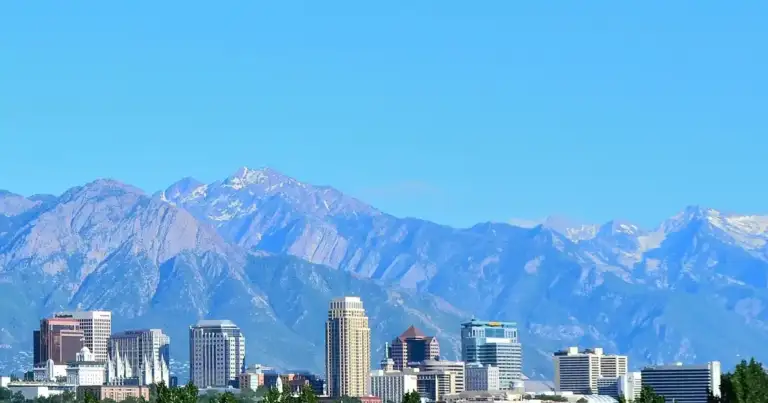
We’ve heard the term “new normal” tossed around for years when discussing drought. But when the “normal” consistently breaks records for scarcity, isn’t it time to question our collective response? Are we truly doing enough, or are we simply hoping for a miraculous snow year to bail us out? State officials are warning of water restrictions, and while personal conservation is vital, it begs a larger question: Is the burden being equally shared? What about the vast amounts of water used in agriculture, or the continued rapid urban expansion that demands ever more resources? It’s easy to point fingers at the individual homeowner, but systemic changes are desperately needed. This isn’t just a weather report; it’s a mirror reflecting our vulnerabilities. It’s a call to action, urging us to look beyond immediate fixes and embrace bold, sustainable strategies for water management. Our beloved Utah, with its majestic mountains and unparalleled natural beauty, depends on it. What steps will you take this year to safeguard our precious water resources? The time for complacency has passed. Let’s protect the future of our extraordinary state, one drop at a time.Photo: Photo by josephdepalma on Openverse (flickr) (https://www.flickr.com/photos/69231187@N04/6671799111)
Source: Google News