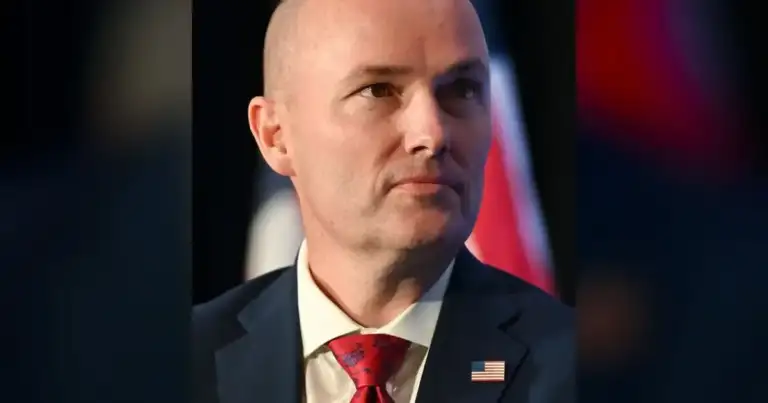

Utah’s fields are frozen, and so are the livelihoods of hundreds of farmers across the state. Governor Spencer Cox officially declared a state of emergency this past Thursday, May 14th, but for many, the damage was already done, literally overnight.
An unseasonably cold front ripped through Utah on May 10th and 11th, dropping temperatures into the low 20s. This wasn’t just a late frost; it was a killing blow to early-blooming fruit orchards and emerging vegetable crops, wiping out an entire season’s work before it even truly began.

The Winter That Came Too Late
The Utah Department of Agriculture and Food (UDAF) is still tallying the damage, but early estimates are grim. Commissioner Craig Butt confirmed what many farmers already know in their bones: we’re looking at near-total losses for stone fruits like peaches, cherries, and apricots across counties like Utah, Box Elder, and Weber.
The initial financial hit? A staggering $60 million and climbing. For families like Sarah Jenkins, a peach farmer in Box Elder County, the numbers are personal.
“We lost everything. The trees bloomed early because of the warm spring, and then this brutal cold snap just wiped it all out. It’s not just a season; it’s our livelihood, our family’s future.”
Her despair echoes across the state. Thousands of acres, nurtured for months, are now barren or dying, victims of a weather pattern that climate scientists increasingly warn us is becoming the new normal: warmer winters triggering early blooms, only to be ambushed by sudden, brutal late-season freezes.
A Fragile Lifeline for Farmers
The Governor’s emergency declaration is the state’s scramble to provide a lifeline. It immediately unlocks access to state emergency funds. More critically, the state is now in a full-court press to secure a federal disaster declaration from the USDA.
If successful, that means federal assistance programs, low-interest loans, and potentially direct payments for farmers already reeling. The UDAF is holding emergency sessions, guiding farmers through the labyrinth of insurance claims – if they even have comprehensive coverage – and state aid applications.
Local agricultural groups will mobilize, but community support, while vital, is always supplementary to the institutional aid that’s desperately needed.
This isn’t just a farmer’s problem; it’s a Utah problem. Consumers should brace themselves for higher prices and less local produce. This means a greater reliance on out-of-state imports. It will also directly hit the local economy, impacting farmer’s markets, restaurants, and small businesses.
Red Marker Verdict: The Real Cost of “Emergency”
Let’s be clear: Governor Cox’s declaration isn’t evidence of proactive governance; it’s reactive damage control. The state *has* to step in because Utah’s agricultural sector, often taken for granted, is a foundational pillar. Losing it isn’t just about sad stories; it’s about destabilizing our local food supply, driving up grocery bills for every Utahn, and gutting the legacies of multi-generational farm families.
The push for federal aid isn’t pure altruism; it’s about offloading massive state costs and preventing a complete economic meltdown in a vital industry. The hypocrisy? We tout “local” and “heritage,” but consistently leave our farmers vulnerable to the increasingly unpredictable whims of a changing climate.
This “emergency” is quickly becoming the standard. Until we invest in long-term resilience rather than just reactive bandages, we’ll keep watching our harvests, and our money, freeze in the fields.
Source: Google News