
Another summer storm, another Michigan power grid collapse. Just when we thought we might get through a few weeks without a full-blown blackout, Thursday night unleashed its fury. Severe thunderstorms tore across western and central Michigan.
By Friday evening, tens of thousands were still sweating in the dark, their fridges silently dying. Many wondered if anyone in charge has a plan beyond “wait for it to pass.” This isn’t just an inconvenience; it’s a systemic failure we’re forced to endure, time and time again.

Another Storm, Another Blackout — A Michigan Tradition?
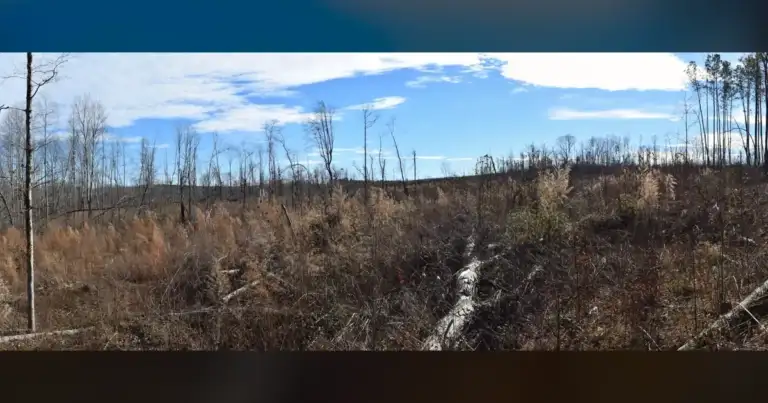
Over 100,000 customers initially plunged into darkness. Winds gusted past 60 mph, toppling ancient trees and snapping power lines from Grand Rapids all the way down to Kalamazoo.
By Friday evening, Consumers Energy reported approximately 45,000 customers still without power. DTE added another 15,000 to the misery count. Schools closed their doors, countless gallons of milk and pounds of meat spoiled, and any semblance of normal life evaporated for yet another day.
If you’re in one of those “harder-hit rural areas,” brace yourselves; your lights might not flicker back on until Sunday. Let’s be clear: this isn’t an anomaly; it’s become a predictable, infuriating Michigan tradition.
The utility spokespeople, like Consumers Energy’s Josh Paciorek, are experts at trotting out the same tired lines: “Our crews are working tirelessly, but the damage is extensive…” We get it. Trees fall. Storms happen.
But what residents like Sarah Jenkins from Grand Rapids are demanding, and what we’re demanding, is simple: why does this happen every single time? And what, precisely, are these multi-billion-dollar corporations actually doing to fix the underlying problem, instead of just patching up the symptoms?
The Same Old Song and Dance
The hard truth, the one they don’t want to shout from the rooftops, is that Michigan’s power grid, especially in older areas, is a relic. It’s decades old, brittle, and simply not built for the kind of increasingly severe weather we’re now experiencing regularly. Add to that Michigan’s abundant, dense tree coverage – which, surprise, costs a fortune to manage – and you’ve got a guaranteed recipe for disaster every single time the wind picks up.
The utilities love to talk about “smart grid” investments and automated switches. That’s fantastic for isolating where the power goes out faster, but it does absolutely nothing to prevent the initial damage. It’s like putting a fancy, high-tech bandage on a gaping, festering wound.
As for burying lines? The utilities will tell you it’s “prohibitively expensive”—to the tune of $1 million to $5 million a mile. This means they’re essentially telling you to get used to the darkness. They’re not footing that bill without massive rate hikes. Lansing isn’t exactly rushing to pony up the public funding. Is that really the best they can offer for a critical 21st-century infrastructure?
“It’s frustrating. Every time there’s a strong storm, we lose power for days. You start to wonder if they’re actually fixing anything long-term.”
— Sarah Jenkins, Grand Rapids Resident
The Real Story Behind The Power Outages
Here’s the cynical reality, laid bare: Utilities would rather pay minor penalties from the Michigan Public Service Commission for failing reliability standards. They prefer this over making the truly massive, transformative investments needed to harden the grid.
Why? Because those investments cut directly into shareholder profits. They would also require politically unpopular, skyrocketing rate increases that would spark public outrage.
They’ll send crews out, issue carefully worded statements, and preach “patience” until the cows come home. But the fundamental incentives aren’t aligned with actually future-proofing our power system.
You, the ratepayer, are trapped in this infuriating Groundhog Day scenario. You’re paying for a system that consistently fails when you need it most.
This isn’t about the storms anymore. It’s about a glaring lack of political will and corporate accountability to build a grid that can actually withstand living in Michigan in the 21st century. How much more will we tolerate before demanding real change?
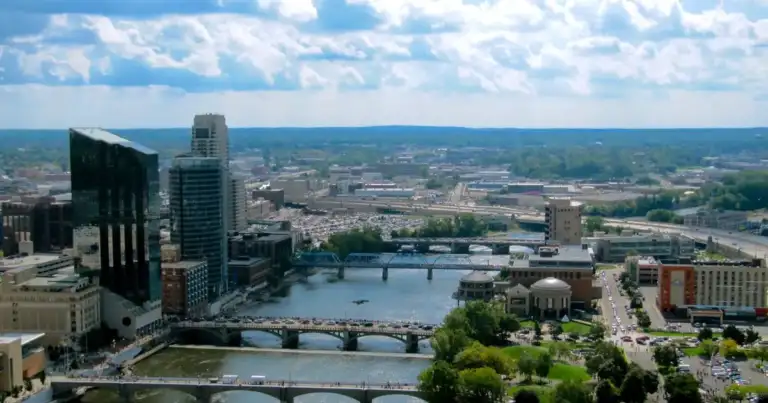
Photo: Wikimedia Commons (query: Grand Rapids michigan)
Source: Google News