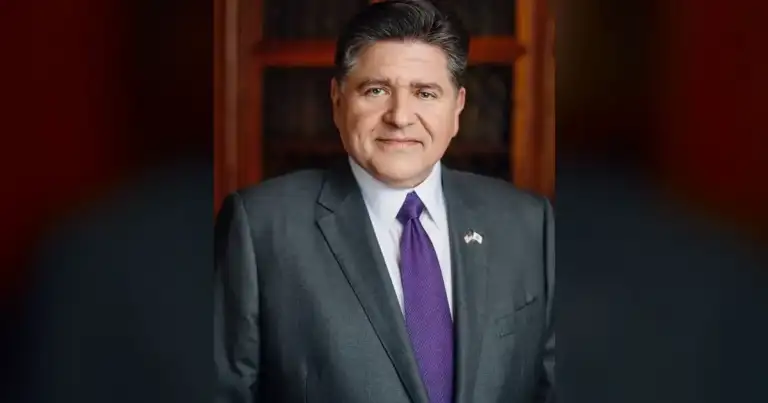

Just when Illinoisans thought they could dry out, Governor J.B. Pritzker swept in, not with a mop, but with a political playbook as old as Springfield itself. This week, the Governor was out, wading through the aftermath of recent deluges, shaking hands, and striking the familiar pose of a leader in crisis. The accompanying headlines tout a new flood relief bill, conveniently—or perhaps, strategically—expanding local programs right here in Chicago.
It’s a performance as predictable as the rising waters: disaster strikes, politicians arrive, and legislation follows, often with a clear geographic bias.

The Floodgates Open, For Some
You saw the pictures, didn’t you? Pritzker, sleeves rolled up, moving through debris-strewn streets, offering solemn nods of solidarity. The optics were perfect for the evening news cycle, a masterclass in crisis PR.
But let’s cut through the performative empathy and get to the core of it. The real story isn’t just about Pritzker’s presence; it’s about the laser-focused nature of the “relief” he signed into law. This bill isn’t a comprehensive solution for every waterlogged basement from Cairo to Rockford.
Instead, this bill specifically expands existing local Chicago programs. It channels state resources directly into the city’s infrastructure and, by extension, its powerful political machinery.
While residents across the state grapple with millions in property damage and hundreds of displaced families, the immediate legislative response zeroes in on the state’s largest voting bloc. It’s not simply about repairing damage; it’s about shoring up political support, making absolutely sure the urban core feels heard and helped, especially with an election cycle always just around the corner. Other communities, equally devastated by the relentless rains, will likely be left to deal with the usual bureaucratic maze, waiting for crumbs from the table while Chicago gets the feast.
Beyond The Headlines: Who Truly Benefits?
The language of “flood relief” and “community support” is meticulously crafted to sound universally beneficial. But when you strip away the polished rhetoric, expanding “local Chicago programs” often means funneling state funds through existing city channels, bolstering specific initiatives and, let’s be blunt, specific political allies. It’s a classic move: leverage a crisis to reinforce your base, package it as altruism, and watch the local media laud your decisive action. Is this truly equitable governance for all Illinoisans, or just shrewd political calculus disguised as crisis management?
The hard truth is that while some relief will undoubtedly reach those in desperate need, the priority of this legislation isn’t solely about efficient disaster recovery. It’s about strategic resource allocation in the state’s most powerful political stronghold, securing loyalty for future battles.
This isn’t to say Chicago doesn’t need help—it absolutely does. But the speed and specificity of this bill, contrasted sharply with the slower, more generalized aid often offered to downstate or suburban areas, reveals a clear pecking order in Illinois politics. When the cameras leave, and the press conferences fade, the real work of recovery begins, and for many Illinoisans outside the city limits, it will be a far harder, lonelier slog.
THE RED MARKER VERDICT:
Let’s be unequivocally clear: this isn’t just about fixing flooded basements. This is about Governor Pritzker solidifying his political capital in Chicago, a critical move for any statewide official.
The “flood relief” bill, with its targeted expansion of Chicago programs, is less about equitable statewide recovery and far more about ensuring loyalty where it counts most come election time. It’s simply the cost of doing business in Illinois politics: leverage a crisis, appear decisive, and funnel resources to your most important constituents.
Don’t mistake calculated political maneuvering for pure civic benevolence. In Illinois, some storms clear the way not just for recovery, but for political gain.
Source: Google News