

Middle River’s Dark Waters: Another Rescue, Same Old Questions at Miami Beach Park
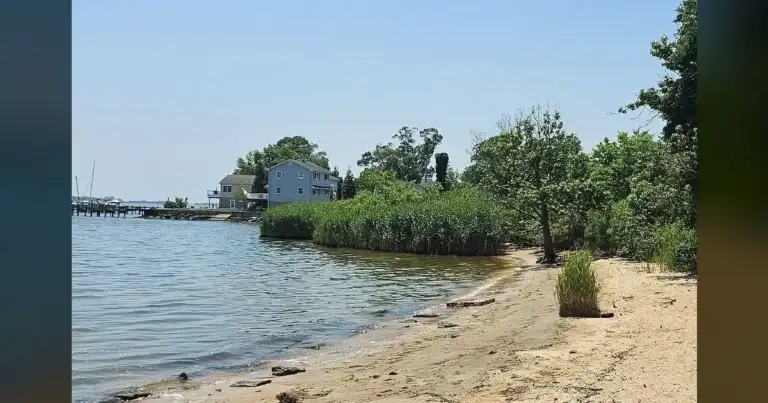
Another Saturday night, another harrowing scene unfolded at Miami Beach Park in Middle River. On August 14, 2026, Baltimore County emergency services plunged into the dark waters around 8:30 PM, pulling multiple individuals from distress. Marine units and fire department personnel safely brought everyone to shore with no serious injuries, marking another “successful operation.” But for anyone who lives here, for anyone truly paying attention, this isn’t a story of triumph. It’s a glaring, infuriating spotlight on a persistent, unaddressed danger. The county will call it a success, but locals know better.The River’s Unseen Teeth
Officials often blame “unexpected current” or “underestimated conditions.” But locals know better: Miami Beach Park, for all its summer charm, isn’t a placid pond. This stretch of the Middle River has a documented, deadly history. It’s a hazard zone, notorious for unpredictable currents, especially where it funnels into larger bodies of water. These aren’t minor swirls; they’re unseen claws that can quickly drag even strong swimmers away. How many more close calls before the county admits the river itself is the problem, not just “conditions”? Then there’s the glaring issue of nighttime use. People swim there after dark, an open secret and community tradition. Yet, there is a distinct, dangerous lack of official monitoring after sunset. No lifeguards or dedicated park staff are present. Just the river, the deepening dark, and whatever hazards might be lurking beneath the surface. Middle River resident Sarah Jenkins cut through the bureaucratic fluff, stating:“I’ve lived here for years, and people swim in that river all the time, day and night. But when it gets dark, you just can’t see what’s out there. I hope this makes the county put up more lights or better signs.”She’s not wrong. Community members have repeatedly sounded the alarm that existing signage is simply inadequate, doing absolutely nothing to properly warn visitors about specific, dangerous currents. This isn’t a new problem; it’s a recurring pattern of minor incidents and desperate calls for help, showcasing a clear, ongoing failure in public safety.
A Familiar Bureaucratic Dance
Baltimore County Fire Department praised its marine units, noting their exceptional performance in ensuring quick safety. They highlighted the units’ training and reminded that even familiar waters can be dangerous. Commendable, absolutely, but where is the focus on prevention? County Parks and Recreation officials have confirmed they are “reviewing current safety protocols, signage, and public education efforts.” This review is specifically for Miami Beach Park. It’s a familiar bureaucratic dance. “Reviewing current safety protocols” is bureaucratic code for “we’ll talk about it until the public forgets, or until the next, more tragic, incident forces our hand.” Let’s be real: the county isn’t suddenly discovering these issues. They’ve been brought up countless times. The underlying motive here isn’t a sudden epiphany about public safety; it’s pure risk management after a successful rescue. This is designed to avoid the expense of proactive measures like dedicated nighttime lighting or robust warning systems. They’ll study it, issue some findings, and hope the next near-drowning isn’t a fatality. Until then, Miami Beach Park remains a gamble after dark. The county’s response is a predictable, pathetic play from the same tired playbook. How many more lives must be put at risk before Baltimore County finally takes decisive action?Source: Google News