
Forget the tornado warning. West Virginia dodged a literal bullet this week, but still got slammed by something far more predictable and infuriating: a power grid that folds faster than a cheap lawn chair in a stiff breeze.
The National Weather Service issued its urgent alert for parts of southwestern West Virginia – specifically Wayne, Cabell, Lincoln, and Mingo counties. They warned of rotation and a very real threat. Yet, even without a direct hit, thousands were plunged into darkness, proving once again that our biggest threat isn’t always from the sky, but from the ground beneath our feet.

The NWS Charleston office did its job, tracking the storms and issuing urgent warnings. They told people to take shelter.
But what good is a warning when the lights flicker and die the minute the rain starts? What good is “shelter” when your phone goes dark, cutting you off from critical updates?
This isn’t some unforeseen act of God. West Virginia isn’t a stranger to severe weather, averaging 2-3 tornadoes annually. These aren’t freak, once-in-a-lifetime events. This is our normal. Our infrastructure simply cannot handle normal.
The Predictable Collapse
Emergency management in places like Wayne and Cabell counties did their part. They activated operations centers and coordinated with first responders. But it’s the same tired script every single time.
Thousands lost power across the region. Appalachian Power, are you listening? Thousands of your customers – not a handful, but thousands – were left in the dark.
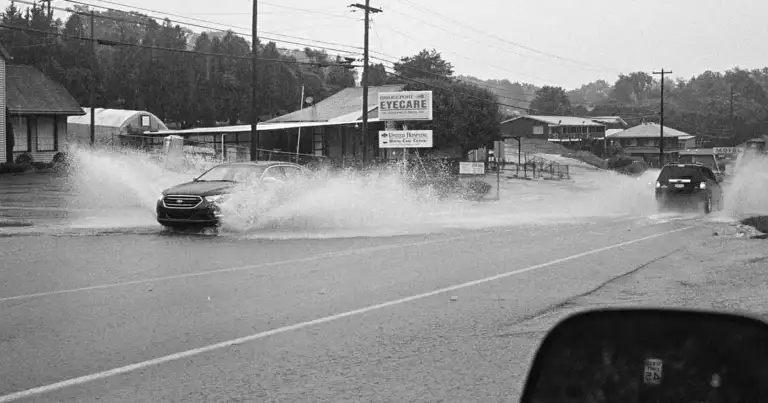
This isn’t some ‘unforeseen catastrophe.’ Wind gusts hitting 60-70 mph are common here. They are expected. Every single time, our vital infrastructure crumbles.
Residents were left shivering in the dark, anxious and isolated. They sought shelter from the storm, only to face the predictable aftermath: downed trees, property damage, and the crushing silence of no electricity.
This isn’t just an inconvenience; it’s a profound disruption of life, a direct threat to safety, and a corrosive attack on our collective peace of mind.
How much more will West Virginia’s citizens endure before the state finally demands real accountability from these utility giants? When will we stop paying the price for their systemic neglect?
The Real Cost of “Preparedness”
We endlessly discuss ’emergency plans’ and ‘staying informed.’ But for how much longer can we ignore the crumbling foundation beneath these empty pronouncements?
The state’s power grid isn’t just outdated; it’s a national embarrassment. Our communication systems are laughably vulnerable.
This isn’t just about a tornado warning fading away. It’s about a state leadership that consistently, stubbornly refuses to invest in actual resilience.
The devastating 1944 Shinnston Tornado proved West Virginia isn’t immune to nature’s fury. What in God’s name have we learned since then? Apparently, not enough to keep the damn lights on.
The economic impact isn’t some abstract concept; it’s cold, hard cash bleeding from our communities. Emergency response costs pile up.
Utility repairs, inevitably billed back to us, the ratepayers, skyrocket. Property damage adds insult to injury.
These are all expenses that could be prevented with a truly modern, resilient infrastructure. But that would require genuine foresight.
It would require holding these monopolistic utility companies accountable, not just giving them a slap on the wrist. It would require politicians to actually give a damn about more than just their post-disaster photo ops.
Colton Hayes’ Red Marker Verdict
Let’s be absolutely clear: this ‘tornado warning’ was a distraction. The real story, the infuriating truth, is West Virginia’s pathetic power grid and the utter lack of serious, proactive investment.
We’re constantly lectured to ‘prepare,’ but the state itself seems permanently, willfully unprepared for the most predictable weather.
Appalachian Power mobilizes its crews after the disaster, conveniently ignoring the dire need to fortify the system before the next gust of wind.
The mainstream media will undoubtedly spin the warning’s passing as a ‘lucky break.’ I call it a tragic, infuriating missed opportunity for accountability.
The actual financial motive isn’t just about utility repair bills; it’s about the systemic underinvestment that lines corporate pockets in the short term, while ordinary West Virginians are left to shoulder the crushing burden of constant outages and gnawing insecurity.
This shameful cycle repeats because nobody with actual power ever truly feels the burn.
So, I ask you, West Virginia: how many more times will we accept this?
Until we, the people, force the state to demand these utility companies upgrade their ancient, crumbling infrastructure, every severe storm won’t just be a warning – it will be another preventable disaster.
Stop accepting ‘preparedness’ as an excuse, and start demanding actual, tangible resilience. Our lives, and our livelihoods, depend on it.
Photo: Wikimedia Commons (query: West Virginia grid)
Source: Google News