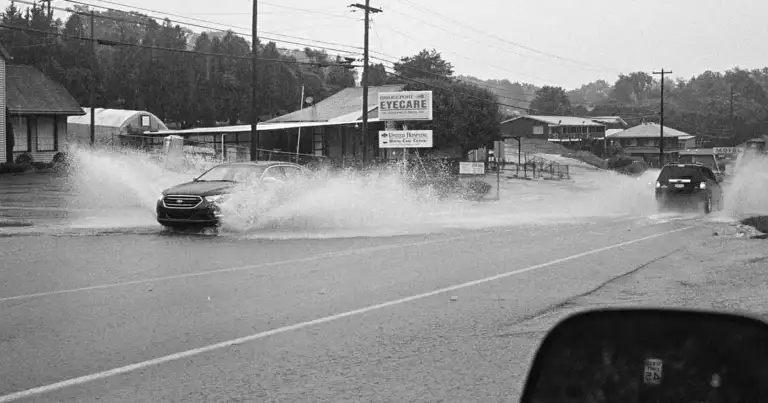

Here we are again, West Virginia. Another May, another deluge, and once again, our communities are left to wade through a predictable mess. Heavy rainfall hammered parts of our state between May 26th and May 27th, 2026, transforming sections of the U.S. 33 corridor into a hazardous, impassable waterway. This isn’t just “bad weather.” This is a recurring nightmare, a stark reminder of chronic neglect, and a predictable failure of those charged with keeping our state running.
The Same Old Story, The Same Old Excuses
For a grueling 48 to 72 hours, relentless downpours slammed our communities. Rivers swelled past their banks. Streams overflowed their channels. And U.S. 33, a vital artery that countless West Virginians rely on daily, became a dangerous gamble. Localized closures didn’t just mean detours; they meant hours-long delays, missed work shifts, canceled medical appointments, and children unable to get to school. Emergency services, already stretched thin, faced unnecessary hurdles, putting lives at risk. This isn’t an act of God; it’s what happens when critical infrastructure is left to rot.

The official line? “Local authorities are monitoring conditions.” Monitoring. That’s their go-to response. They watch the disaster unfold from a safe distance, offering platitudes instead of solutions. Where’s the action before the floodwaters rise? Where’s the preventative maintenance that could have averted this chaos? Where is the long-term, comprehensive plan for a state that knows rain, year in and year out?
Monitoring Isn’t Fixing; It’s Neglecting
We’re told there are “concerns about infrastructure resilience.” Concerns? We’re far past concerns. We’re at the point of visible, tangible, and infuriating failure. Every time a major road like U.S. 33 floods, it screams about neglected drainage systems choked with debris. It screams about overworked, underfunded public works departments pushed to their breaking point. Most damningly, it screams about a severe lack of foresight and political will from those elected to protect our daily lives.
Who truly pays the price for this chronic neglect? Not the “authorities” safely ensconced in their offices. It’s the truck driver stuck for hours, losing precious income. It’s the small business owner forced to close for a day, watching revenue disappear. It’s the family praying their basement doesn’t fill with sewage, yet again. This isn’t an “unfortunate weather event”; it’s a calculated gamble with our safety and our wallets. It’s an act of political indifference, plain and simple.
The Real Cost: Erosion of Trust
This isn’t just about wet roads; it’s about the erosion of trust. Every time U.S. 33 becomes impassable, it chips away at the belief that our hard-earned tax dollars are actually improving anything. We’re constantly told to be resilient, to adapt. But what about the resilience of the very systems supposed to support us? They are failing. They are failing us every single time the sky opens up, proving that “local authorities monitoring conditions” is nothing more than code for “we’ll clean up the mess after it happens, don’t ask us to prevent it.”
It’s cheaper, in the short term, to let West Virginians deal with flooded roads and hope for the best than to invest serious money in upgrading ancient drainage and road infrastructure. They’d rather punt the problem down the road, literally and figuratively, than actually fix it. This isn’t resilience; it’s negligence.
We deserve better than just “monitoring.” We demand concrete plans. We demand actual, significant investment in our infrastructure. We demand leaders who see a flooded road not as a mere weather report, but as a glaring sign of their own failure and a call to immediate action. Otherwise, get ready to navigate our state’s arteries by boat, because if history is any guide, next May, we’ll be right back here again.
Photo: Wikimedia Commons (query: West Virginians floods)
Source: Google News