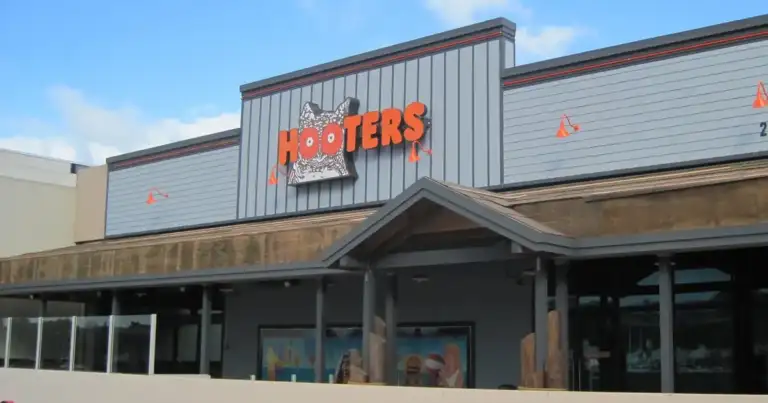


The Last Call for a Niche Market
Reports from Reuters confirm what many in the industry have quietly observed for years: Hooters has been on a slow, steady retreat from Massachusetts. Locations in Boston and Dedham vanished long ago, signaling that a concept built on a particular “flair” was struggling to find its footing here. What does this mean on the ground? Dozens of service industry professionals are suddenly without a paycheck, and three significant commercial real estate footprints in high-traffic areas are now vacant, awaiting the next hopeful enterprise. For those who enjoyed the unique Hooters experience, they’ll need to find a new haunt. Did anyone truly believe a concept frozen in time could survive the relentless churn of Massachusetts’ economy? The market has spoken, and it seems the value proposition just wasn’t compelling enough to justify the price of admission.Massachusetts: The Unforgiving Economic Reality
The easy narrative is to blame “changing consumer preferences” or “evolving cultural landscapes.” And certainly, those play a part. But for anyone operating a business in Massachusetts, the real villain isn’t some nebulous cultural shift; it’s the cold, hard economics of this state. Think about it – can any business truly thrive here without a razor-sharp edge?- Labor Costs: Massachusetts is on a relentless march to higher minimum wages, set to hit $16.00/hour by 2027. This isn’t just about the hourly rate; it’s about the ripple effect on all salaries, benefits, and overall operational budgets.
- Real Estate: Commercial rents in our prime locations are not for the faint of heart. Every square foot must earn its keep, and then some, or it becomes an anchor dragging you down.
- Competition: The dining scene here is sophisticated, demanding, and utterly saturated. From farm-to-table bistros to innovative fast-casual concepts, diners have endless, often more refined, choices.
The Squeeze on Stagnation
A business model that hasn’t significantly evolved its menu, its decor, or its core appeal is simply not equipped to thrive in such an environment. This isn’t just a Hooters problem. Other “themed” restaurants, particularly those with a narrow appeal, face similar pressures. Survival here requires relentless innovation and a clear demonstration of superior value for the consumer and the operator. It demands a constant re-evaluation of your offering, not just a reliance on nostalgia or a singular selling point. Businesses that fail to adapt quickly find themselves caught in a vice, squeezed between rising costs and an increasingly discerning clientele.RED MARKER VERDICT: The Cost of Stagnation
Let’s cut through the noise. The mainstream might frame this as a cultural moment, a sign of changing societal norms. And yes, our collective palate for “breastaurants” may have waned. But the real story, the one nobody wants to say out loud, is that Hooters simply couldn’t justify its existence in Massachusetts from a pure balance sheet perspective. This isn’t about morality; it’s about money. When your core offering becomes a novelty rather than a compelling value, and your operational costs in a state like Massachusetts skyrocket, you have two choices: adapt dramatically, or concede. Hooters, despite vague corporate talk of “modernizing,” failed to adapt sufficiently for this unforgiving market. The hypocrisy isn’t in what consumers prefer; it’s in pretending that a business can stand still in a relentlessly forward-moving economic climate and expect to survive. This isn’t a cultural defeat; it’s a financial calculation. Hooters didn’t offer the premium experience or hidden value necessary to overcome Massachusetts’ operational hurdles. The empty storefronts in West Springfield, Shrewsbury, and Saugus are not just monuments to changing tastes. They are stark reminders that in Massachusetts, every business, regardless of its legacy, must continually prove its worth against a backdrop of rising costs and discerning clientele. To truly flourish here, you need more than a gimmick; you need a strategy built for tomorrow, not yesterday. So, what’s your business doing to ensure it won’t be the next casualty of the Commonwealth’s relentless economic reality?Source: Google News