

Alaska’s Dark Undercurrent: The Price of the Pristine Illusion
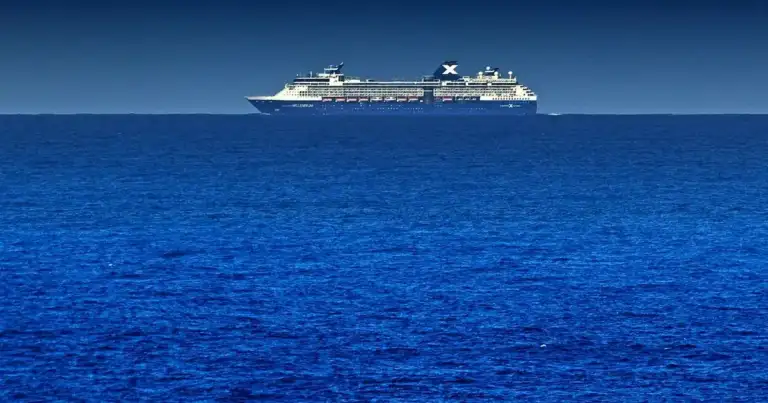
The Celebrity Millennium sliced into Juneau on June 20, 2026, not just with passengers, but with a horrifying, silent cargo: a deceased humpback whale impaled on its bow. This wasn’t an isolated maritime mishap. It’s the raw, unvarnished truth of what happens when billions in tourism dollars collide with Alaska’s wild beauty. NOAA’s preliminary gut check confirmed she was pregnant. Two lives, gone, just like that. Another cruise ship, another dead whale – a grim tally exposing the dark undercurrent beneath our state’s glittering tourism facade. The industry trots out the usual, hollow lines: “profound regret,” “full cooperation,” “adherence to protocols.” But what do these platitudes mean when “unnoticed” strikes keep happening year after year? The captain of the Millennium reported nothing – no bump, no shudder. How many more majestic creatures vanish into the depths, never making headlines? This isn’t a premium experience; it’s a premium problem. It’s swept under the rug of picturesque glaciers and endless buffets, far from the gaze of photo-snapping tourists.The Silent Toll on Alaska’s True Riches
Alaska’s allure is our untamed nature, our vibrant wildlife, the wild spirit that draws millions here. But increasing cruise traffic isn’t a minor inconvenience; it’s a direct assault on the ecosystems these visitors admire. Humpback whales, while “Least Concern” globally, face escalating threats in our waters. Vessel strikes are a top killer, second only to fishing gear entanglement. Losing a pregnant female, like the Millennium‘s victim, obliterates a future, a lineage. That’s a devastating, double hit to a population already fighting for space in crowded shipping lanes. Cruise lines parrot talking points: speed restrictions, vigilant lookouts, voluntary rerouting, and nascent tech. But let’s be brutally honest. When the Celebrity Millennium can lodge a pregnant whale on its bow without crew noticing, what good are these “measures”? Are they effective safeguards, or just PR talking points? The hard facts are undeniable: increasing traffic in critical marine habitats elevates collision probability. It’s not just a numbers game; it’s a rigged game, and the whales are consistently losing.The Red Marker Verdict: Profit Over Preservation
Let’s cut through the saccharine environmental platitudes and get down to the cold, hard cash. This incident isn’t an isolated tragedy; it’s a stark consequence of the financial imperative driving this industry. It’s about keeping gargantuan ships moving, packed with tourists, generating billions. Every delay, every rerouting, every minute avoiding marine life costs them money. When a collision goes “unnoticed,” it means less disruption, less paperwork, less impact on the bottom line. The cruise industry’s “commitment to marine conservation” rings hollow. It echoes with cynical indifference when devastating evidence is dragged into port. The hypocrisy is glaring: they sell pristine wilderness while actively contributing to its erosion. It’s a morally bankrupt case of externalizing costs onto the environment, our wildlife, and the soul of the Alaskan experience. This isn’t just an unfortunate event; it’s a blaring alarm. It’s a stark reminder that the “hidden gems” of Alaska’s wild coast, the very heart of our state, are under relentless siege by the industry that profits most from showcasing them. The true premium experience for any visitor isn’t just about the postcard-perfect vistas you capture on your phone, but what you understand about the delicate, often brutal, balance beneath the surface – a balance we are rapidly tilting towards destruction. Consider your next Alaskan cruise. Remember the Celebrity Millennium and its grim, tragic cargo. Remember the pregnant humpback, a symbol of everything we stand to lose. Ask yourself: what price are you truly paying for that scenic vista? Is it worth the silent slaughter of our marine life? Demand better. Demand real accountability from these behemoth corporations. Alaska’s wild, untamed heart deserves more than lip service and unnoticed casualties. It demands our protection, now, before it’s too late.Source: Google News