
The echoes of legislative debate this week in the Massachusetts House of Representatives have resonated far beyond Beacon Hill, carrying with them the distinct clinking of glasses and the roar of an anticipating crowd. With an overwhelming majority, the House approved a pivotal bill designed to transform the Commonwealth into a veritable global party hub for the 2026 FIFA World Cup. This isn’t merely about football; it’s about an audacious bid to seize a monumental economic opportunity, while simultaneously navigating the inherent challenges such an undertaking presents.
Massachusetts Embraces the World Cup Spirit, and Its Wallet
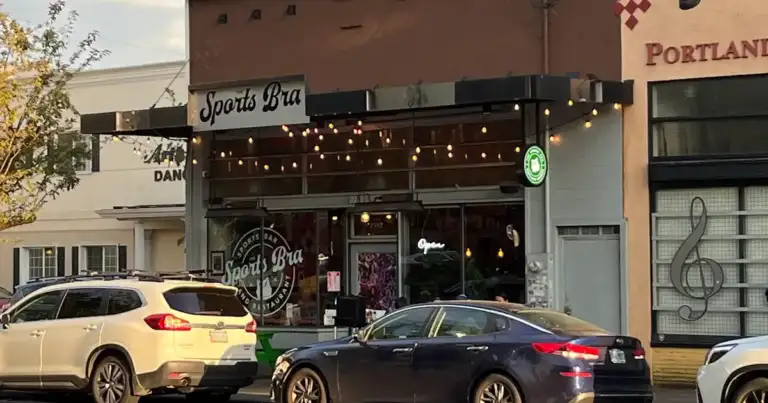
The legislation, aptly dubbed the “World Cup Hospitality Enhancement Act,” is a clear signal of intent. Boston, a city steeped in history, is now preparing to host a global spectacle, and the state government is rolling out the red carpet – and extending bar hours – to ensure every visitor feels welcomed and, perhaps, a little tipsy. The core of the bill permits municipalities to grant special licenses, allowing bars and restaurants to remain open until a generous 3:00 AM on game days. This applies not only to matches played directly in Boston but also to other significant contests throughout the tournament.
Beyond the extended hours, the bill introduces another transformative element: the establishment of “World Cup Fan Zones.” These designated areas will allow for temporary outdoor alcohol consumption, a concept that, while common in European and South American host cities, represents a significant shift for Massachusetts. The vision is clear: create vibrant, immersive spaces where fans can gather, celebrate, and soak in the festive atmosphere without feeling confined. It’s a bold move, and one that has already ignited considerable discussion regarding its practical implementation.
The Economic Promise vs. Public Safety Concerns
The driving force behind this legislative push is, undeniably, economic. The hospitality industry, still recovering from the lean years, views the World Cup as a lifeline, a chance to not just recoup losses but to thrive. Bob Jenkins, President of the Massachusetts Restaurant Association, articulated this sentiment perfectly:
“This isn’t just about selling more drinks; it’s about showcasing Boston as a world-class destination and giving our businesses a much-needed shot in the arm.”
Indeed, the potential for a massive injection of capital into the state’s economy is hard to ignore. Millions of visitors are expected, and their spending will ripple through hotels, restaurants, retail shops, and various service industries. Local businesses beyond the immediate hospitality sector are also anticipating a positive spillover, a welcome boost to the general commerce of the region during the tournament’s run from June to July 2026.
However, as with any grand plan, there are legitimate concerns that demand careful consideration. Public safety officials and community groups have voiced apprehension about the potential downsides of such widespread, late-night revelry. The specter of increased noise, litter, public intoxication, and an undue strain on emergency services looms large. These groups are rightly advocating for robust public safety plans, a heightened police presence, and clear, enforceable guidelines for the operation of these extended hours and outdoor zones. The bipartisan support for the bill, while strong, must not overshadow the need for meticulous planning and proactive measures to mitigate these risks.
The legislation now moves to the Senate for further deliberation, and discussions in recent days have focused heavily on these very regulatory details. How will local permitting processes be streamlined? What will be the precise public safety protocols? And crucially, how will the state ensure that the festive atmosphere doesn’t devolve into chaos, particularly in densely populated urban areas? These are not trivial questions, and their answers will ultimately determine the true success of this ambitious endeavor.
Massachusetts stands on the cusp of a truly global moment. The “World Cup Hospitality Enhancement Act” is a testament to the state’s desire to embrace this opportunity wholeheartedly. Yet, the true measure of its success will lie not just in the economic returns, but in the careful balance struck between celebration and responsibility, ensuring that the spirit of the World Cup enriches the Commonwealth without compromising the well-being of its residents.
Source: Google News