Tennessee isn’t just “swimming in cash”; it’s drowning in a record-breaking budget surplus – a staggering $4 billion that could make even the most seasoned D.C. politician blush. And at the heart of the fierce debate over what to do with our taxpayer money sits Speaker Cameron Sexton, not just talking about spending it, but about locking a massive chunk of it away for generations to come. Make no mistake, this isn’t merely about fiscal prudence; it’s a shrewd play for power, control, and a long game that most Tennesseans aren’t even seeing.
The Generational Gambit: Sexton’s Legacy Fund
Speaker Sexton has aggressively championed what he calls the “Tennessee Legacy Fund.” Its exact moniker seems to shift with the political winds, but the premise is deceptively simple.

He proposes carving out a significant portion of our hard-earned, massive surplus and permanently stashing it in an endowment. The public promise? Perpetual funding for key state priorities and a robust rainy-day fund.
Sexton frames this as the ultimate responsible, visionary move. He argues it ensures Tennessee’s financial health for generations, rather than “blowing it” on immediate fixes or unsustainable tax cuts. But is that the whole story?
On the surface, who could argue with saving for the future? Who doesn’t want to secure a legacy for their children?
But let’s be clear: this isn’t just a benign piggy bank for posterity. It’s a calculated, strategic maneuver.
By advocating for an insulated, long-term investment vehicle, Sexton masterfully bypasses immediate political dogfights. These include debates over direct spending increases for struggling schools, crumbling infrastructure, or underfunded social services.
He also deftly sidesteps growing pressure for broad tax relief. Such relief would put money directly back into the pockets of working Tennesseans.
Instead, he positions himself as the singular steady hand, the visionary long-term thinker. This subtly consolidates immense influence over a vast, untouchable pool of capital. It’s a power play dressed in fiscal conservatism.
Through the Political Minefield
The legislative path for this fund is, as expected, a political minefield. Debates rage over the precise amount of taxpayer money to commit.
Lawmakers also intensely debate whether to enshrine it with constitutional protection. Critically, who gets to decide when and how its earnings can be touched remains a contentious point.
Speaker Sexton hasn’t just been instrumental; he’s been the driving force. He’s brought together hand-picked financial experts and legislative heavyweights to meticulously hammer out the details.
He isn’t just building a coalition to pass a bill. He’s laying the groundwork for an enduring financial institution designed to reflect his fiscal philosophy for decades, long after he leaves office.
Sexton’s iron-fisted oversight of the broader 2026 budget process is equally critical, perhaps even more so. Every departmental request, every tense negotiation with the Governor’s office, and every line item approval funnels directly through his leadership.
This isn’t just about balancing the state’s books. It’s about meticulously embedding a specific, centralized vision for Tennessee’s future.
Under this vision, a significant portion of our collective wealth would be managed outside the immediate, often unpredictable, political whims of any given legislative session. This isn’t just a deep play for lasting influence.
It’s an attempt to permanently reshape the financial landscape of our state.
Don’t fall for the “thinking of the children” narrative hook, line, and sinker. While a long-term savings fund might indeed be smart, Speaker Sexton’s aggressive push for the “Legacy Fund” is less about pure altruism and more about securing a long-term power base. By locking away a substantial portion of the state’s surplus, he and his allies gain control over an endowment that will generate revenue and influence for decades, largely insulated from the annual budget battles and public demands. This isn’t just fiscal conservatism; it’s a savvy political move to control future resources and diminish the immediate leverage of those pushing for different spending priorities. It’s about shaping Tennessee’s future, yes, but through a lens of controlled, centralized financial power. The ‘legacy’ isn’t just for future generations of Tennesseans; it’s for the political machine that establishes and governs it.
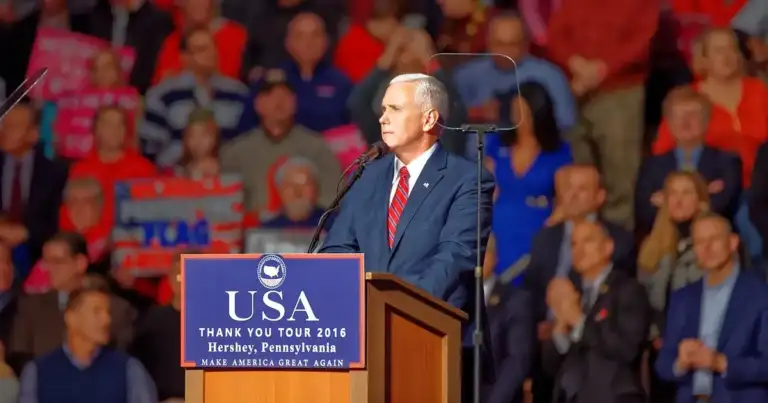
Photo: Wikimedia Commons (query: Cameron Sexton)
Source: Google News