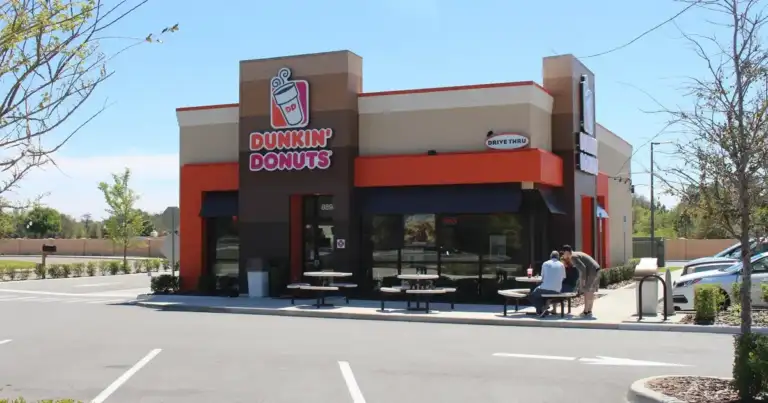

For weeks, Waterbury residents have faced a stark reminder of how quickly routine can shatter. The familiar glow of the Dunkin’ sign at 2457 East Main Street? Dark. Silent.
A car plowed straight into the coffee shop on Saturday, April 26, 2026, a truly absurd incident. This isn’t just about a missed caffeine fix; it’s about a local institution left in limbo, and the agonizingly slow crawl to recovery.
The Darkened Doors: A City’s Frustration
Thankfully, initial reports spared us the worst: no serious injuries. A collective sigh of relief quickly curdled into frustration.
It’s been nearly three weeks since that bizarre incident, and as of today, May 13, 2026, the doors remain stubbornly shut. Thousands of Waterbury commuters, students, and workers have seen their morning ritual upended.
No quick drive-thru coffee, no familiar pit stop. Just a dark, boarded-up facade forces them to reroute, search for alternatives, or even brew their own coffee at home.
This isn’t just about a missing cup of joe; it’s about the fragility of our local economy. One reckless moment behind the wheel, one inexplicable crash, and a vital piece of our community infrastructure grinds to a halt.
This isn’t a highway pile-up or a natural disaster; it’s a car hitting a building. Yet, the gears of bureaucracy, insurance claims, and permitting seem to spin at a speed slower than molasses in January.
This leaves a gaping void in our daily routines and inflicts a crushing financial blow on a local business owner.
The Real Cost: Beyond the Drive-Thru
The immediate concern, naturally, is the structural damage. But the real scandal here isn’t the shattered glass; it’s the prolonged, baffling standstill.
How can a multinational behemoth like Dunkin’ allow one of its local outposts to remain shuttered for this long? Is it a contractor shortage, a labyrinthine insurance battle, or simply the infuriatingly slow churn of city permits?
This process seems to prioritize paperwork over progress.
Consider the human cost. For the dedicated employees of that Waterbury Dunkin’, this ‘temporary’ closure isn’t just an inconvenience.
It means lost wages, mounting uncertainty, and the desperate need to scramble for work elsewhere. For the local franchise owner, it’s a daily hemorrhage of revenue and relentless ongoing expenses.
They face the crushing stress of watching their livelihood sidelined through absolutely no fault of their own. They’re caught in the slow-motion aftermath of someone else’s blunder, paying the price for a system utterly incapable of swift action.
This isn’t just my observation; it’s a shared frustration that demands a bolder statement:
Our Take: A Systemic Failure
Let’s be blunt: a car hitting a Dunkin’ isn’t groundbreaking news. The real scandal is how long it takes to fix it.
The mainstream narrative stops at “no serious injuries,” which is convenient. But for the local owner losing money every single day, for the employees out of work, and for the regulars who just want their coffee, this isn’t a benign inconvenience.
This extended closure is a stark reminder of how easily our local economy can be disrupted, and how slow the systems are to put it back together. The Dunkin’ corporation isn’t losing sleep over one store in Waterbury.
However, the local entrepreneur who put their neck out for that franchise is paying the price for a system built on endless red tape and sluggish responses. It’s not just structural damage; it’s a structural failure in how quickly we rebound from the everyday chaos of our roads.
So, as that Dunkin’ remains dark, it stands as more than just a closed coffee shop. It’s a flashing red light, highlighting the systemic sluggishness that strangles local recovery.
Waterbury deserves better. Our local businesses deserve a system that can rebound with the same speed as a car can cause chaos.
The question isn’t if it will reopen, but why it took so agonizingly long. What will we, as a community, demand to prevent such prolonged paralysis from happening again?
Source: Google News