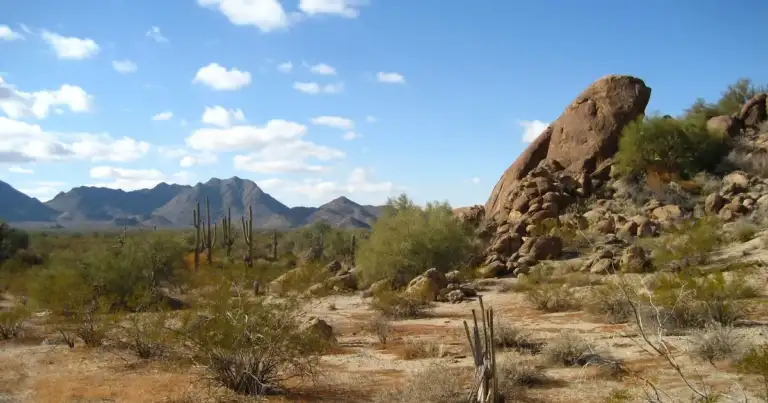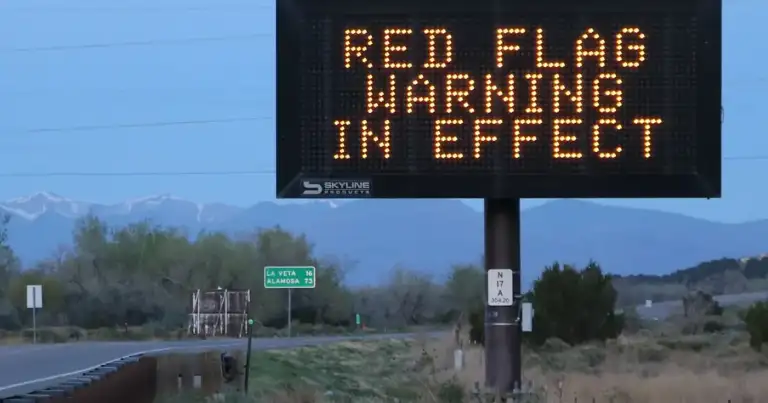

The desert is burning again. Just northeast of Cave Creek, the Desert Peak Fire has already devoured a staggering 750 acres of our cherished Arizona landscape since April 30th. This wasn’t a slow burn; it was a furious, wind-whipped assault, turning ancient saguaros and vital brushland into ash. If you’re surprised, you haven’t been paying attention to the relentless cycle we now face.
The Predictable Inferno Returns
The smoke plumes choking our Maricopa County skies are a grim, all too familiar reminder of an annual fire season that now seems to start earlier and hit harder with each passing year. Our brave firefighters have been on the ground for days, battling a beast that, frankly, thrives in this parched environment. We laud their heroic efforts against nature’s fury, and rightly so. But while their bravery is never in question, the sheer predictability of this destructive cycle demands more than just praise; it demands a reckoning.
We watch hundreds of acres vanish into smoke, displacing wildlife, scarring the unique landscape that defines our state. Let’s be clear: this isn’t simply “nature taking its course.” This is a catastrophic failure of foresight, a system that, year after agonizing year, grapples with the same fundamental issues while the consequences – ecological, economic, and emotional – mount higher than the flames themselves.
Beyond the Blaze: The Real Cost
When you see the news anchors talking about “containment efforts” and “resources deployed,” ask yourself what we’re actually containing. Are we containing the fire, or are we containing the truth about why these fires are becoming more frequent, more intense, and more costly?
This isn’t about ‘if’ the desert will burn; it’s about ‘when’ and ‘how much’ we’re willing to accept as the cost of doing business in a drying state, especially as development creeps closer to these wildlands.
The Desert Peak Fire, like every inferno before it, will eventually be doused. But the underlying issues? They won’t be extinguished. They’ll just keep smoldering, a ticking time bomb waiting for the next gust of wind, the next spark, to erupt into another devastating headline. And we’ll all act surprised again.
The Red Marker Verdict: Profit, Playbooks, and Perpetual Problems
Let’s get real, Arizona. Every time a major fire erupts, we see the predictable playbook unfold. Emergency services budgets get justified, new equipment gets deployed, and the inevitable cleanup efforts create jobs and contracts. It’s not just a response; it’s a cyclical industry of disaster management.
While no one wants these fires, the system built to respond is incredibly efficient precisely because it’s in perpetual motion, always ready for the next one.
The mainstream media will focus on the immediate danger and the valiant fight – and that’s part of the story. But what they’re missing, what they always miss, is the systemic hypocrisy staring us in the face.
We wring our hands over the damage while simultaneously failing to implement truly impactful preventative measures or address the elephant in the room of unchecked growth pushing ever deeper into fire-prone areas. We keep building, keep expanding, and then feign shock when the desert does what the desert has always done: burn.
This isn’t some grand conspiracy; it’s a simple, grinding inertia, a collective shrug that finds it easier to react to disaster than to prevent it. Why? Because the ‘response’ has become a well-funded, self-perpetuating machine.
How many more acres must burn before we demand a different playbook? How many more homes must be threatened before we finally decide prevention is cheaper – and smarter – than perpetual crisis management?
Source: Google News