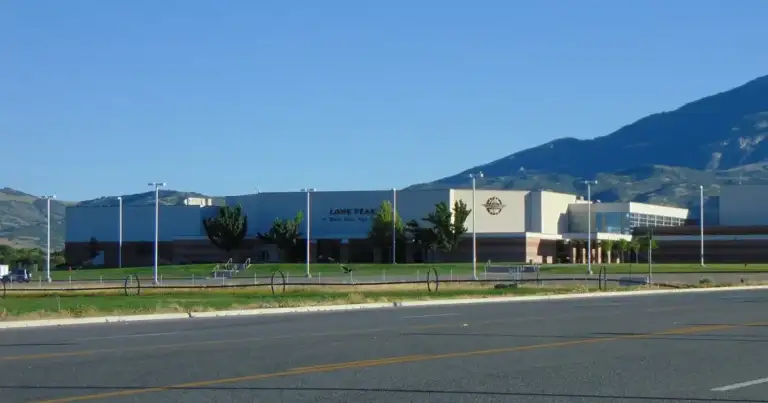

Another weekend, another body broken on Utah’s increasingly dangerous roads. This time, Highland Boulevard claims a victim. On Saturday, May 3, 2026, a crash at Highland Boulevard and 11000 North sent one motorcycle rider to Utah Valley Hospital with “serious injuries.”
The official reports drone on, treating this as just another statistic in a state drowning in preventable road trauma. Don’t expect answers. Don’t expect real change.

Utah County Sheriff’s deputies and Lone Peak Fire Department paramedics scraped up the scene after 2:30 PM. A single motorcycle, a passenger vehicle. Authorities mumble about a “potential right-of-way violation,” a phrase as tired as it is meaningless. Sgt. Mark Davies from the Utah County Sheriff’s Office issued the standard, hollow platitude:
“Every accident is a tragedy, and we’re working to understand exactly what happened here. We remind all drivers to be vigilant, especially around motorcycles.”
It’s the same old song while riders keep ending up in pieces.
The Blood-Stained Ledger of Utah Roads
Let’s be clear: this isn’t an “isolated incident.” Utah’s roads claimed a staggering 72 motorcycle deaths in 2025 – a grim, record-breaking tally. This wasn’t a “slight increase”; it was nearly double the 38 fatalities recorded in 2024.
Seventy-two lives snuffed out. This isn’t a few bad apples; it’s a systemic failure. The National Highway Traffic Safety Administration isn’t mincing words: motorcyclists are 29 times more likely to die in a crash than car occupants.
And where do these crashes happen? Intersections. Failure to yield. It’s a broken record, and Highland just played another brutal verse.
Growth’s Grim Toll
Highland, like much of Utah County, is choking on unchecked growth. Developers get rich. City councils rubber-stamp new subdivisions, paving over green space and common sense.
But who pays the real price? The roads can’t keep up. More cars, more bikes, more congestion, and the same old inadequate infrastructure.
Residents complain, their pleas for better signage, traffic lights, or calming measures get lost in the roar of construction and developer profits. What’s a few injured bodies, a few shattered lives, when there’s money to be made?
This isn’t about “driver awareness” campaigns that plaster platitudes on billboards. It’s about accountability. It’s about city planners who prioritize sprawl over safety.
It’s about law enforcement who issue generic warnings instead of demanding real fixes for dangerous intersections. This crash isn’t just a grim headline; it’s a flashing red light on a broken system that values convenience and profit over human life.
The Cost of Complacency
The “mainstream” will report this as a simple accident. They’ll quote Sgt. Davies, and life will move on, business as usual. But the truth is harsher, more infuriating: this Highland crash is a predictable outcome of Utah’s addiction to uncontrolled growth and official complacency.
The real motive behind the inaction? It’s cheaper to issue a hollow statement than to redesign a dangerous intersection, invest in robust traffic management, or truly enforce road safety. Who benefits? The developers who get their projects approved without having to fund adequate infrastructure.
Who gets screwed? The people of Utah, who contend with increasingly dangerous roads, hoping they aren’t the next statistic.
Expect more injuries. Expect more deaths. Until someone with actual power decides human lives are worth more than development dollars, this cycle of carnage will continue unabated.
Photo: Copyright 2009
Source: Google News