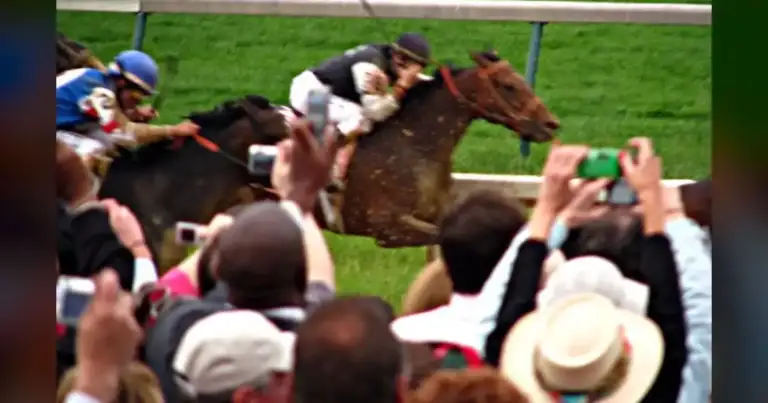

Forget the fancy hats and mint juleps – the real action during the 152nd Kentucky Derby, which wrapped up on May 2nd, 2026, wasn’t just on the track. For South Louisville, the Derby is a street-level economic powerhouse, where local entrepreneurs transform a global spectacle into a tangible boom right outside their front doors. From Wednesday’s Thurby crowds to the crush of Derby Day itself, the sidewalks and front yards around Churchill Downs showcased pure, unadulterated hustle.
Let’s be clear: this isn’t some quaint community bake sale. This is serious business.

Residents along the corridors leading to the track transformed their homes into bona fide parking empires, charging anywhere from $20 to a crisp $100 per vehicle. With over 150,000 attendees flooding the area on Derby Day alone, the cash flow would make corporate bean counters blush.
Food vendors, from seasoned pros with permits to nimble opportunists, lined the streets. They slung everything from classic Louisville barbecue to sizzling hot dogs and outrageously delicious Derby-themed desserts.
Even the smallest operations were rolling with cashless payment options this year, showing how these local hustlers stay ahead of the curve.
“Every year, this weekend pays for our summer vacation. It’s hard work, but it’s worth it to see all the people and know we’re a part of it.” – Maria Sanchez, South Louisville resident and long-time parking vendor, as reported by WHAS11.
More Than Just Pocket Change
Forget any romantic notions of “extra cash” or “pocket money.” For countless South Louisville families, Derby weekend earnings aren’t a bonus; they’re a crucial financial lifeline, covering everything from looming property taxes to essential school supplies.
This isn’t discretionary income; it’s survival. We’re talking thousands of dollars — cold, hard cash — flowing directly into households over just a few intense days.
This informal economy, largely invisible to official economic tallies, represents a direct, unfiltered wealth transfer to the community. It cleverly bypasses much of the corporate glitz and gatekeepers inside the track.
Visitors, it turns out, aren’t just tolerating it; they’re embracing it. Mark Peterson, a Derby visitor from Ohio, summed it up perfectly:
“You can’t come to the Derby and not get a hot dog from one of these guys. It’s part of the whole tradition, way better than the expensive stuff inside.” – Mark Peterson, Derby visitor from Ohio, as reported by WLKY.
It’s an authentic experience you won’t find in the corporate suites, and it’s fueling a significant portion of the city’s overall $400 million economic impact from the Derby.
The Red Marker Verdict
Let’s cut the feel-good fluff right now. This isn’t just ‘local charm’ or ‘community spirit.’
This is a raw, unapologetic grassroots economic engine, pulling thousands of dollars directly into South Louisville households. This money often stays right here, circulating within the neighborhood.
The city, through Councilwoman Barbara Smith’s carefully worded statements about “supporting them,” is mostly trying to manage the inevitable chaos and ensure public safety. The real money-making happens on the sidewalks and driveways, often bypassing official channels entirely.
Let’s call it what it is: controlled tolerance, not active promotion. It’s a powerful demonstration of necessity, ingenuity, and sheer grit.
The ‘authentic Derby experience’ means direct cash transactions, not just glossy corporate sponsorships. This isn’t charity; it’s a masterclass in localized capitalism.
It’s a powerful declaration that when opportunity knocks in South Louisville, Kentuckians don’t just answer – they open a pop-up shop, set up a parking lot, and make sure that cash register sings.
Photo: Wikimedia Commons (query: South Louisville)
Source: Google News