
Another week, another “world-class” arrival in Kapolei, promising to elevate West Oʻahu’s dining scene.
This past Friday, May 2, 2026, the self-proclaimed “second city” officially rolled out the red carpet for a Michelin Guide-recognized Japanese ramen establishment.

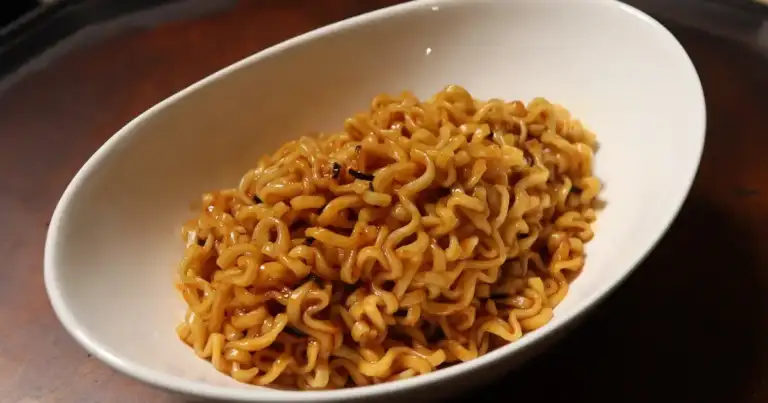
The buzz is certainly palpable, with foodies already lining up at its Ka Makana Aliʻi location, eager to sample the supposed pinnacle of ramen, perhaps a renowned Shoyu Soba with black truffle oil.
But let’s be blunt: Is this the culinary renaissance Kapolei has been waiting for, or just another slick marketing play dressed in a chef’s toque?
For years, Kapolei has been steadily building its commercial and retail footprint, with dining options increasing by a reported 15-20% in the last five years.
Now, with a name linked to a prestigious guide—even if that recognition was for an original outpost in Tokyo or New York, far from the ʻEwa plains—the narrative shifts.
We’re told this brings “world-class dining” closer to home, a boon for local residents and a magnet for discerning tourists. The owners themselves speak of blending authentic flavors with local ingredients, aiming to respect both heritage and the Hawaiian palate.
It all sounds rather poetic, doesn’t it? Almost too perfect.
The Scripted Authenticity Playbook
But let’s peel back the layers, shall we? The initial reception, while positive, feels a bit… manufactured.
We’ve seen the playbook before: the carefully orchestrated Hawaiian blessing, the limited-edition tote bags designed to spark FOMO, the “walk-ins only” policy for a perceived exclusivity in a 66-seat box tucked into a shopping mall.
This isn’t groundbreaking culinary exploration; it’s a meticulously crafted performance designed to extract maximum hype and dollars.
Kapolei residents are thrilled, of course, to have a high-profile option, but the chatter online quickly turns to the practicalities: “What about traffic?” “Parking?” And the inevitable: “What’s the damage?”
At an average price point of $18-$25 a bowl, this ramen isn’t exactly competing with your neighborhood saimin stand.
It’s targeting a different demographic, one willing to pay for the “Michelin” name, regardless of whether that star shines as brightly under the fluorescent lights of a suburban mall.
Is this truly for the community, or just another amenity for those who can already afford Kapolei’s rising cost of living?
Red Marker: The Price of Prestige
Here’s the straight truth, the red marker verdict: This isn’t about genuinely elevating Hawaii’s ramen scene, which, by the way, already boasts formidable contenders like Tokyo Ramen or Gomaichi, serving up incredible bowls without the imported fanfare.
This arrival is a masterclass in market expansion and brand exploitation.
It’s “peak gentri-washing,” as some Redditors cynically put it, cloaking profit motives in the guise of “culinary sophistication.”
The “local wheat” or “farm-to-bowl” rhetoric? Often just greenwashing to justify those eye-watering prices for uni-ikura add-ons that most local families simply cannot afford.
The real story isn’t the ramen itself—which may very well be excellent—but the naked pursuit of prestige and profit. It’s about attracting a specific type of tourist and the upper-echelon local consumer, further solidifying Kapolei’s role as a consumption hub rather than a heart for authentic, accessible local dining. The “Michelin effect” here isn’t necessarily inspiring local innovation as much as it’s setting a new, higher bar for what one must pay to be considered “gourmet” – a bar many in West Oʻahu cannot, and should not have to, reach.
So, go ahead, brave the lines and taste the acclaimed broth. Just remember what you’re truly paying for: not just a bowl of ramen, but a piece of calculated corporate ambition. Is this the future of West Oʻahu dining? Or just another expensive reminder that “world-class” often means “out of reach” for the very community it claims to serve?
Source: Google News