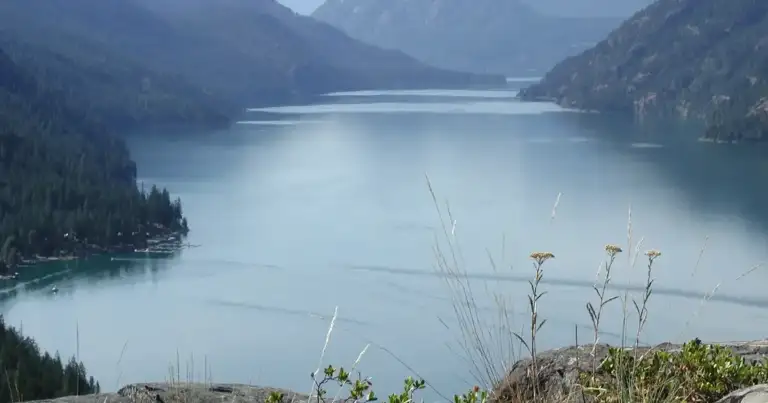

Three lives extinguished. Three families shattered. Another Friday, another stretch of US-97A near Lake Chelan stained red, a grim reminder of the highway’s deadly reputation.
On May 2nd, at two-thirty in the afternoon, near milepost 230 – a popular, winding, and frankly, notorious stretch of highway – a multi-vehicle pile-up claimed three souls and left others clinging to life.
If you drive it, you know the risks. And now, three more families are shattered, and we’re back to the same infuriating, tragic cycle.
The Price of “Scenic Routes”
Washington State Patrol is sifting through the wreckage, doing the grim work of piecing together another preventable tragedy.
Preliminary reports paint a familiar, horrifying picture: a northbound vehicle veered across the centerline, triggering a head-on collision that instantly claimed two lives, with a third unable to avoid the carnage.
Two from one car, one from another – gone, just like that. Several others are now fighting for their lives at Confluence Health, lucky to be breathing, but facing God knows what recovery.
Let’s be brutally clear: This isn’t just an isolated incident, a random stroke of bad luck. US-97A isn’t merely a postcard view; it’s a known killer.
WSDOT’s own data screams the truth: Chelan County highways, especially US-97A, are consistently flagged for alarmingly higher rates of serious injury and fatal collisions.
Why? It’s not rocket science. Winding roads, blind curves, unpredictable elevation changes, a dangerous cocktail of frantic tourists unfamiliar with the terrain, and locals just trying to get home.
It’s a recipe for disaster, served up hot and bloody every single summer season.
“Our hearts go out to the families of those who lost their lives in this tragic incident,” Trooper Chris Thorson said. “Our investigators are working tirelessly to determine the exact cause, and we urge anyone who witnessed the crash to come forward.” He added, “This is a devastating event for our community, and we remind everyone to drive safely, especially on these challenging mountain roads.”
Empty Words, Familiar Roads
Trooper Thorson’s words are standard issue. They always are.
But let’s cut through the platitudes: What is actually being done, beyond temporary increases in patrols that vanish as quickly as they appear?
Not a damned thing, if we’re being honest. Our readers ask the same question every time: “How safe is US-97A, really, and what’s being done to fix it?”
The hard, undeniable truth? US-97A is statistically one of Washington’s most dangerous corridors.
The excuses are familiar: “Infrastructure challenges are massive.” “Widening roads or adding barriers in mountainous terrain is expensive and a bureaucratic nightmare.”
So, what do we get? Cosmetic fixes like new signs or rumble strips – hardly a preventative measure against a head-on collision at 60 mph.
Enforcement boosts are a temporary band-aid. Public awareness campaigns are well-intentioned, but they won’t stop a drunk driver or a distracted tourist from crossing a double yellow line into oncoming traffic.
The focus always snaps back to “driver behavior.” And yes, individual responsibility is paramount. Speeding, distraction, impairment – these are killers.
But when the road itself is a known, documented hazard, when the state knows these routes are prone to tragedy, the narrative shifts dramatically from individual failing to systemic, deadly complacency.
This isn’t just about bad drivers; it’s about a bad road that the state refuses to truly fix.
THE RED MARKER
Here’s the raw truth: The tragic inevitability of these crashes on US-97A isn’t some unforeseen act of God.
It’s the predictable outcome of state agencies knowing a highway is a death trap masquerading as a scenic route for tourists and locals alike, but consistently prioritizing the “scenic route” experience and the tourist dollars it brings, over the politically and financially inconvenient upgrades that would actually save lives.
They’ll lament driver error every time, but the road itself is a silent accomplice, left largely untouched because a real fix costs too much and disrupts the very “paradise” it’s supposed to access.
We pay for the view with blood, and the state’s pockets stay full while the body count climbs. Don’t expect real change until a politician’s kid is in one of those mangled cars.
So, as summer approaches and the hordes descend on Lake Chelan, remember: You’re not just driving on a road; you’re encountering a calculated risk, one the state is content to let you take.
And no amount of “thoughts and prayers” will change that. Only outrage, and a demand for action, ever will.
Source: Google News