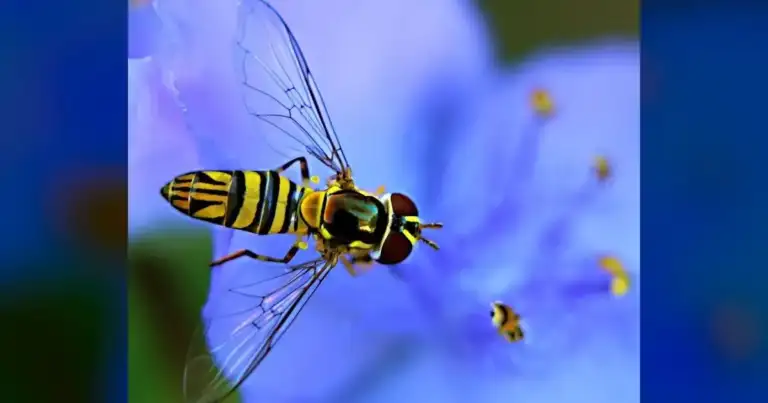

Spring has sprung in South Carolina, and with it, a familiar, unwelcome buzz is growing louder: the Yellow-Legged Hornet is back, and state officials are sounding the alarm. Overwintering queen hornets are emerging, poised to expand this invasive menace across our state, and frankly, we should all be on high alert. Clemson University and the South Carolina Department of Agriculture are urging every resident to be vigilant, but the real question is, are we doing enough?
The Hornet Threat: More Than Just a Nuisance
For those who missed the initial panic – or perhaps hoped it was a one-off – the Yellow-Legged Hornet (Vespa velutina) first landed on U.S. soil in Savannah, Georgia, in August 2023. By September, it had breached the South Carolina border. Intensive eradication efforts followed, but let’s be honest: once an invasive species gets a foothold, completely wiping it out is rarely more than a pipe dream. Now, with warmer weather, the threat isn’t just resurfacing; it’s actively expanding, putting our vital agricultural sector and delicate ecosystems squarely in the crosshairs.
This isn’t some harmless bug you can swat away – this is an apex predator for our pollinators. A single Yellow-Legged Hornet colony can decimate thousands of insects, with honeybees at the top of their menu.
Beekeepers across South Carolina are watching their hives with dread, a chilling sense of déjà vu for those who remember past scourges. These hornets ‘hawk’ at hive entrances, picking off bees one by one, systematically dismantling entire colonies.
Honeybee pollination is worth over $15 billion annually to U.S. agriculture. The scale of this threat to South Carolina’s peaches, watermelons, and countless other crops becomes terrifyingly clear, pointing to potential crop losses, higher food prices, and livelihoods hanging by a thread.
Who Pays When the Buzz Stops?
Clemson University and the SC Department of Agriculture are pushing public education and vigilance. “See something, say something,” they urge. But while public cooperation is undeniably essential, isn’t it time we peel back the layers on this strategy? They tout “early detection” as “cost-effective.” Translation: they’re effectively asking the public to be their unpaid, frontline early warning system, shifting a significant part of the burden onto everyday citizens and our already-stressed beekeepers. Is this truly a proactive strategy, or a cost-saving measure disguised as community engagement?
South Carolina has a long, painful history with invasive species – kudzu, fire ants, the Spotted Lanternfly. We’ve seen firsthand how quickly these things can spiral out of control, transforming landscapes and livelihoods, and how astronomically expensive eradication becomes once they’re entrenched.
Yet, the current approach feels less like a full-frontal assault and more like a cautious, fingers-crossed appeal to citizen scientists – a strategy that, historically, has proven insufficient.
Our state’s agricultural sector is a multi-billion dollar engine, a bedrock of our economy. The potential economic damage from widespread hornet establishment isn’t just significant; it could be catastrophic, echoing the devastating impacts of past agricultural crises.
RED MARKER VERDICT: Here’s the cold, hard truth: the state’s call for public vigilance, while necessary, is a convenient way to outsource frontline defense against an existential threat to our agriculture. It’s cheap. We’re told it’s “cost-effective,” but that’s only because the “cost” is borne by citizens’ time and the potential collapse of private beekeeping operations and farm yields. The real question is not whether the public is doing enough, but whether our state government is truly dedicating the necessary, proactive funding and resources to combat a threat that could cripple a cornerstone of our economy. Or are we, yet again, waiting for a full-blown crisis before we start writing the big checks?
Photo: Photo by beckymaldonado on Openverse (flickr) (https://www.flickr.com/photos/9177127@N02/5644877741)
Source: Google News