
California’s convenience culture has a dark side. This week, that reality is hitting home as our rideshare drivers launch a fresh legal assault on Uber, challenging the very foundation of gig work in the Golden State. This isn’t just a legal battle; it’s a high-stakes showdown for the millions of Californians who rely on these services and the corporate giants who built them.
The Unseen Workforce: A Challenge to Proposition 22
The latest lawsuit, filed by a determined coalition of California rideshare drivers, isn’t merely a grievance; it’s a direct challenge to the very spirit of Proposition 22. Remember that landmark legislation? Uber and its allies trumpeted it as the definitive answer to independent contractor status.

Now, the ‘practical application’ is proving to be a nightmare for drivers. They’re alleging unfair deactivation, a shocking lack of transparency, and no real appeals process when they’re summarily “kicked off” the app. This isn’t just a raw deal; it’s a gut punch, stripping individuals of their livelihood with little recourse.
Let’s be absolutely clear: this isn’t about demanding full employee status. It’s about basic fairness within the framework Prop 22 itself established.
When a driver’s primary source of income – their ability to pay rent, buy groceries – can vanish overnight, without clear justification or a robust review, what does “flexibility” even mean? It certainly doesn’t mean stability. It means an already precarious existence becomes utterly volatile, leaving hard-working Californians at the mercy of an opaque algorithm.
Uber’s Dismissal vs. Drivers’ Tenacity
Uber, with its characteristic arrogance, has predictably dismissed these claims as “baseless” and a “publicity stunt.” This isn’t just the usual corporate playbook; it’s a blatant attempt to deflect, minimize, and frame the opposition as opportunistic.
But the drivers’ attorney, Shannon Liss-Riordan, a formidable advocate, isn’t backing down. She’s positioning this lawsuit as a demand to hold Uber accountable for “six years of non-compliance.” This is a damning accusation that the company has systematically failed to uphold the protections that even Prop 22 was supposed to guarantee.
Let’s be honest, Californians: rideshare services are convenient. They’ve become a staple of our daily lives, a premium amenity many of us simply expect. But at what cost?
And who really bears that cost when the system falters? It’s the drivers, often working grueling hours to maintain their standing, who are the hidden engine of this convenience. Their stability is paramount to the quality of service we all expect.
“This isn’t about demanding a full employee status, but about basic fairness within the established independent contractor framework.”
The Real Battle: Power and Profit
Let’s be blunt: Uber’s dismissal of this lawsuit as a mere “publicity stunt” is a classic corporate maneuver to deflect from the glaring power imbalance at its core. The real motive here, on both sides, is raw control over the workforce and, ultimately, profit.
For Uber, maintaining absolute discretion over driver deactivations protects its operational efficiency and bottom line. This allows it to prune its workforce without the cumbersome processes associated with employment.
For the drivers, it’s about reclaiming a sliver of leverage, ensuring their monumental investment of time and vehicle isn’t arbitrarily revoked. This isn’t just a legal spat; it’s a strategic chess match over who holds the reins in California’s influential gig economy. Drivers seek to force accountability where corporate self-interest has patently failed to provide it.
The outcome of this legal battle won’t just be decided in courtrooms; it will reshape the very fabric of California’s economy. It will redefine the crucial balance between corporate innovation and essential worker protections.
Because as always, the real story isn’t just in the headlines; it’s in the livelihoods of the thousands who keep our cities moving, day in and day out.
For every Californian who hails a ride, this case asks: are we willing to sacrifice basic fairness for cheap convenience? The future of our state’s gig economy, and the values we uphold, hang in the balance. We must pay attention.
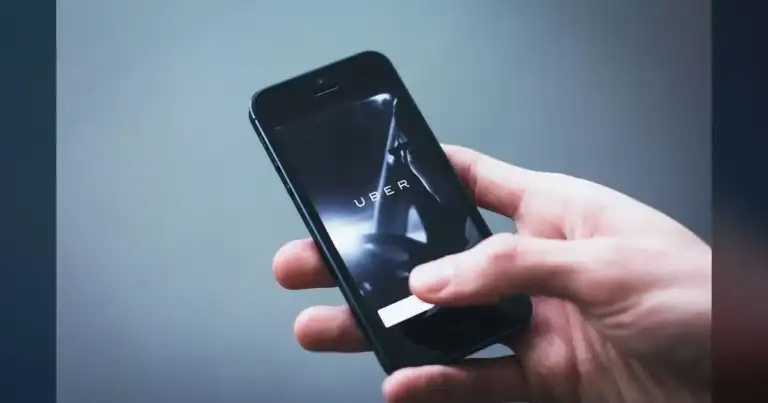
Photo: Photo by freestocks.org on Openverse (flickr) (https://www.flickr.com/photos/135396164@N05/23707913564)
Source: Google News