

The Eugene Echo Chamber and Hood River’s Hard Truths
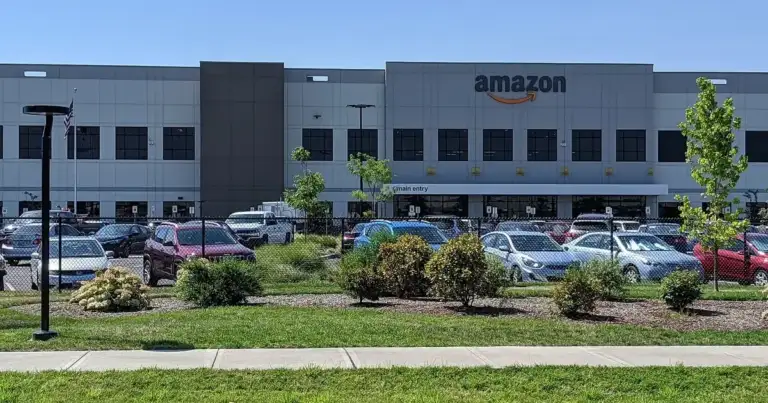
This isn’t an isolated incident; it’s a pattern. Look at Eugene, where the “NIMBY trenches” are digging in, screaming “corporate invasion.” They complain Amazon automates jobs away, yet reject the hundreds of jobs these facilities do bring, however temporary. Kelley Christensen, a vocal critic, blasted one proposed site as a “robot-riddled emissions bomb,” peddling “cheap junk” and damning the environment for seven generations. The outrage is palpable, performative even. Then there’s Hood River, where neighbors on the Fruit Loop are freaking out over traffic carnage around their orchards. They are shocked by “tentative approvals” for facilities that seem to ignore basic safety. The scale is often downplayed: a “smaller” facility can still be a colossal 318,000 square feet, easily triple the size of a Salem site. It’s a classic bait-and-switch, but the residents are buying the narrative without looking at the ledger.The Red Marker Verdict: Who Pays the Piper?
Let’s strip away the greenwashed platitudes and get to the core. My villain in this story isn’t Amazon; it’s the selective outrage of communities like Eugene and Beaverton. They demand lightning-fast delivery, crave cheap goods, and relish the convenience of a click-away economy. Yet, they recoil in horror when the physical infrastructure required to support that lifestyle dares to intrude on their manicured lawns. The “zero transparency” complaints? They’re often thinly veiled protests against the *inevitability* of change. These are the same communities that moan about their “budget black hole” and counties shedding 1,400 jobs annually. Yet, when a significant economic player offers hundreds of positions and substantial tax revenue, they trot out the “environmental impact” card. It’s not about the planet; it’s about preserving their own perceived tranquility and, let’s be blunt, their property values. They are simultaneously dodging difficult conversations about local tax hikes or service cuts. Amazon, for all its corporate might, is simply optimizing for efficiency and consumer demand. My “favorite” in this scenario? The relentless, cold logic of the market, which exposes the hypocrisy of those who want the fruits of modern commerce without the slightest inconvenience of its production and delivery. The true motive behind these protests isn’t community well-being; it’s self-interest dressed up in a “save our neighborhood” costume. So, as these battles rage from Beaverton to Hood River, ask yourself: are these communities genuinely concerned about the future, or are they just afraid of paying their fair share for the present? The answer, like the next-day delivery you just clicked, is already here.Photo: Photo by Aurelijus Valeiša on Openverse (flickr) (https://www.flickr.com/photos/95124659@N00/2279398155)
Source: Google News