
Forget the tranquil postcards of Alaska. The stark reality for those living and working on its treacherous coast is a daily battle against an unforgiving sea. In that relentless fight, one force stands between life and death: the U.S. Coast Guard.
While a specific, dramatic family rescue might not be gracing national headlines this week, the Coast Guard’s 17th District in Juneau is perpetually on duty. They patrol over 3.3 million square miles of some of the most treacherous maritime territory on Earth.

Life on the Edge: Alaska’s Maritime Reality
We all hear about these stories: a family’s dream voyage turns into a nightmare, only to be pulled from the jaws of the deep by a Coast Guard crew. These aren’t isolated incidents; they are a grim, regular occurrence, a constant drumbeat of peril that rarely makes national news.
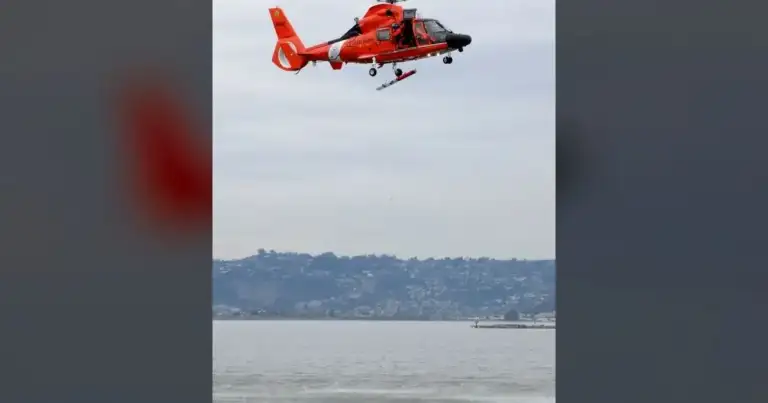
The Coast Guard responds to distress calls from every corner of this vast wilderness. This includes fishing vessels battling rogue waves, recreational boats suffering catastrophic mechanical failures, and remote communities cut off by blizzards. It’s a continuous, often silent, battle against an environment that offers no quarter and demands everything.
The Brutal Calculus of Alaskan Rescues
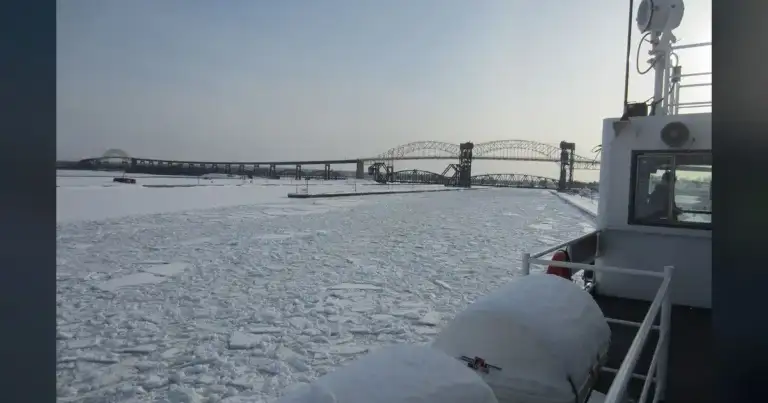
What makes an Alaskan rescue fundamentally different? Everything. Extreme weather can materialize in minutes, transforming calm seas into a raging tempest with hurricane-force winds.
The distances involved are staggering. Operations often require long-range C-130 aircraft and powerful cutters to traverse hundreds of miles, burning precious fuel and time.
Remote locations mean there’s no immediate backup, no quick assist from a nearby port, often no other vessel within hundreds of miles. Each operation demands immense resources, highly skilled personnel, and an unwavering willingness to put one’s own life on the line.
It’s their rigorous training and sheer grit that turn impossible situations into miracles. This makes rescues possible with remarkable frequency and success.
Rear Admiral John Mauger, Commander of the 17th Coast Guard District, put it bluntly:
“When a family is brought back safe, it’s a moment of relief, a human interest piece that resonates from Anchorage to the Lower 48. But the daily grind, the constant vigilance, the patrols, the maintenance of those choppers and cutters – that’s the real story that often gets overlooked.”
For news outlets, even those far from the Bering Sea, like KTVN, a story of survival against the odds, especially involving a family, is undeniably compelling. It’s the kind of narrative that captures immediate attention, a stark reminder of the fragile line between adventure and disaster in the Alaskan wilderness. But does the public truly grasp the scale of their commitment, or do we just see the dramatic snapshot?
Red Marker Verdict
Here’s the inconvenient truth: The public loves a feel-good story about a family snatched from peril. It’s easy to digest, simple to cheer for, and makes for excellent television.
But fixating on the ‘family’ aspect, or on a specific dramatic rescue, dangerously misses the larger, starker truth. The Coast Guard isn’t just there for the photogenic moments.
They’re out there, day in and day out, for every commercial fisherman battling frozen gear, every remote villager facing a medical emergency, and every lone adventurer who misjudges the brutal conditions.
The real story isn’t the occasional high-drama rescue that grabs headlines. It’s the immense, unwavering commitment of resources and personnel to keep everyone afloat in an environment that actively tries to sink you.
The ‘family rescue’ is the marketable symptom. The constant, dangerous, and expensive reality of maintaining safety across 3.3 million square miles of Alaskan ocean is the chronic condition we rarely discuss with the same enthusiasm.
So, next time you hear a snippet about a ‘family rescue,’ remember the untold story of the constant vigil, the unseen heroes, and the colossal effort it takes to tame just a sliver of Alaska’s wild frontier.
Photo: Photo by NOAA Great Lakes Environmental Research Laboratory on Openverse (flickr) (https://www.flickr.com/photos/43788330@N05/8741606976)
Source: Google News