
The news hit like a dry spell itself: West Virginia, alongside our neighbors in Kentucky, is officially in “moderate drought” territory. Don’t let the word “moderate” fool you. While WOWK 13 News dutifully reports the U.S. Drought Monitor’s April 16th findings—28.1% of our state in D1 moderate drought, with another 45.3% abnormally dry—this isn’t just about crispy lawns or a few less puddles. This is a direct hit to the very economic bedrock of our Mountain State, and for those of us who truly understand Appalachia, it feels like a familiar, unsettling prelude.
The immediate, brutal impact is already palpable for our agricultural sector. Our farmers, the true stewards of West Virginia’s most valuable land assets, are not just watching the skies; they’re already battling stunted pasture growth and struggling spring crops. This isn’t some abstract projection; it means real, tangible pain: increased irrigation costs, the specter of reduced yields, and a grim forecast of 5-15% reduction in crucial hay yields if these conditions persist. Think about that for a moment: hundreds of thousands of dollars, potentially millions, bleeding directly from our local economies and eroding the intrinsic value of agricultural real estate. And it doesn’t stop there. Our water utilities, ever vigilant, are already keeping a close eye on reservoir levels. Streamflows in affected regions are already plummeting to a mere 25-50% of historical medians. Mandatory restrictions haven’t been imposed yet, but the threat hangs heavy, and any shift towards more expensive water sourcing will inevitably trickle down, hitting every resident and business, driving up operational costs and diminishing property appeal across the board.
The Real Estate Ripple Effect: Beyond the Farm Gate
But the drought’s insidious reach extends far beyond the farm gate, casting a long shadow over West Virginia’s broader real estate and business landscape. Our state’s very identity, its magnetic allure, is inextricably linked to its natural splendor—the wild rivers, the ancient forests, the unparalleled outdoor recreation. When river levels dwindle and landscapes turn parched, it’s not just a minor inconvenience for a weekend fishing trip. It’s an existential threat to the tourism businesses that are the lifeblood of so many communities. Picture the rafting outfitters in Fayetteville, the cozy cabins nestled along the historic Greenbrier, or the hunting lodges whose very existence depends on robust wildlife populations. Fewer visitors mean a direct, measurable hit to revenue, eroding property values in prime recreational areas and threatening the viability of countless small businesses that form the backbone of our local economies. This isn’t just about aesthetics; it’s about livelihoods.
Red Marker Verdict: The “Appalachian Normal” and a Calculated Spotlight
Now, let’s cut through the static and call this what it is. This “moderate drought” designation for West Virginia isn’t some dire, genuine alarm bell ringing across the mountains. No, it feels suspiciously like a convenient, calculated narrative shift. While 28.1% of our state is indeed in D1, the real crisis, the truly devastating dry spell, is raging further south. The Southeast is grappling with a staggering 97% drought coverage, with Georgia already hitting “Exceptional (D4)” status. So, why, then, does the national media spotlight suddenly swivel to our “moderate” situation? What’s the real agenda here?
Here’s the cynical truth, plain and simple: West Virginia’s “moderate” drought is being elevated for a very specific, very strategic purpose. This isn’t about public awareness; it’s a preemptive strike. It’s a way to normalize discussions around stricter water restrictions, to open the door for potential federal aid that might not otherwise materialize, or even to push through land-use policies that would be utterly unpalatable under normal, non-crisis circumstances. When the public, especially those far removed from our borders, hears “drought” in Appalachia, it primes them. It softens them up for future governmental interventions, for industry shifts, or for corporate plays that could directly benefit specific players or advance particular political agendas. That dismissive “Appalachian normal” you hear from locals isn’t just sarcasm; it’s a gut-level recognition that our real problems are often ignored until they can be neatly packaged and presented for a broader political or financial exploitation. Don’t be fooled by the headlines. The genuine issue isn’t solely the rain deficit itself; it’s the sudden, manufactured urgency in its reporting, meticulously designed to steer the public conversation and, inevitably, the flow of power and resources.
The undeniable fact remains: our state’s inherent value—from its incredibly resilient agricultural lands to its vast, still-untapped tourism potential—is not just robust; it’s foundational. Yet, these external narratives, no matter how “moderate” they claim to be, are powerful tools. They can be exploited to reshape public perceptions and, ultimately, to dictate economic realities on the ground. West Virginia offers a premium on authentic, unvarnished living and genuine, hard-earned business opportunities. The truly savvy investor and the discerning resident will always look past the sensationalized headlines. They will understand the enduring strength of our land and the unbreakable spirit of our people.
West Virginia is more than a fleeting headline, more than a convenient narrative. It is a place of enduring, undeniable value, where the true premium lies in its resilient spirit and unparalleled natural assets. So, I challenge you: look past the noise, ignore the manufactured urgency, and come see for yourself where real opportunity thrives, regardless of how the weather—or the media—is framed. Our mountains stand, and so do we.
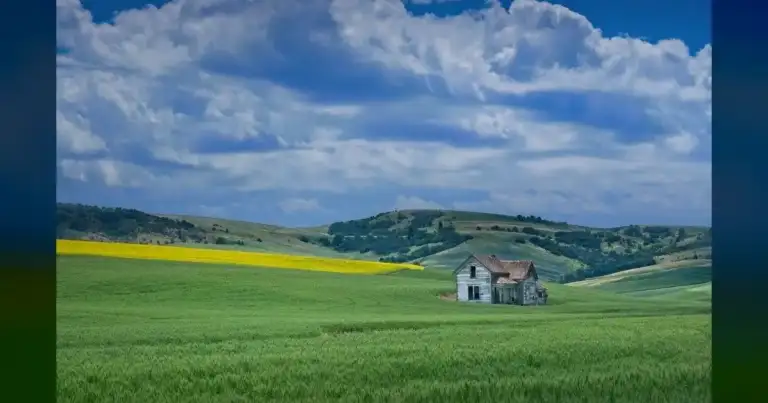
Photo: Photo by jim.choate59 on Openverse (flickr) (https://www.flickr.com/photos/137864562@N06/49598827861)
Source: Google News