
The Unforgiving Frontier: Bear Attack Underscores Alaskan Training’s Harsh Realities
The recent news of two U.S. Army soldiers sustaining injuries in a bear attack during a training exercise in Alaska serves as a stark, visceral reminder of the unique and often brutal realities faced by our military personnel operating in the Last Frontier. While the incident is undoubtedly alarming, it also casts a spotlight on the unparalleled challenges and invaluable lessons gleaned from training in one of the world’s most extreme environments. This isn’t merely a tale of a wildlife encounter; it’s a testament to the inherent risks and the unwavering dedication required to sharpen the nation’s “Arctic combat edge.”
Training in the Wild: More Than Just Adversaries
Alaska is no ordinary training ground. Its vast, untamed wilderness presents an opponent as formidable as any human adversary: the environment itself. From the crushing cold and deceptive terrain to the sheer isolation, every element conspires to test the limits of human endurance and military equipment. The recent bear attack, though tragic for those involved, underscores that these forces must contend not only with simulated enemies but also with the very ecosystem they inhabit. This incident, while rare in its severity, is a potent illustration of the daily vigilance and specialized preparedness demanded of soldiers stationed here.
“Alaska’s unique and often unforgiving climate and terrain provide an unparalleled training ground, demanding specialized skills and equipment from the forces stationed here.”
Our soldiers, particularly those of the 11th Airborne Division, famously known as the “Arctic Angels,” are not merely soldiers; they are specialists in survival. Their training encompasses everything from advanced cold-weather tactics to wilderness navigation and, crucially, wildlife awareness. Yet, even the most rigorous protocols can sometimes be circumvented by nature’s unpredictable power. The fact that these soldiers were engaged in a training exercise further highlights the inherent dangers they face, even outside of active combat zones. Every drill, every maneuver, carries an intrinsic risk, especially when conducted in an environment teeming with large, territorial predators.
Arctic Anvil 2026: Forging Resilience in the Cold
This incident gains further context when viewed against the backdrop of recent major exercises like “Arctic Anvil 2026.” This multi-week, large-scale training maneuver, which concluded in early April, saw thousands of soldiers from the 11th Airborne Division testing their readiness and combat capabilities across interior Alaska. Exercises of this magnitude are designed to push soldiers to their physical and mental limits, simulating high-intensity conflict in conditions that would incapacitate less prepared forces. The very purpose of Arctic Anvil is to ensure that these “Arctic Angels” are ready for any contingency, anywhere, anytime.
The strategic importance of Alaska cannot be overstated. As a pivotal hub for Arctic defense and the projection of military power into the Indo-Pacific region, its role in national security is critical. The training conducted here is not just about physical endurance; it’s about developing strategies and technologies specific to extreme cold-weather environments. It’s about understanding how to operate effectively when frostbite is a constant threat and visibility can drop to zero in a blizzard. The presence of wildlife, while a distinct hazard, is simply another layer in this complex, demanding operational theater.
The Price of Preparedness
While we express our deepest concern for the injured soldiers and wish them a swift recovery, their ordeal serves as a powerful reminder of the sacrifices our service members make daily. They volunteer not just for the uniform, but for the inherent challenges and dangers that come with protecting our nation, often in places far from home and comfort. The bear attack, a terrifying moment of unexpected violence, is a stark illustration of the non-combat risks that are simply part of the job in places like Alaska.
The soldiers of the 11th Airborne Division are tasked with a unique and vital mission: to be ready to fight and win in the Arctic. This means enduring conditions that would break most, constantly adapting to an environment that is both breathtakingly beautiful and ruthlessly unforgiving. Their commitment to “sharpening Arctic combat edge” comes at a tangible cost, and sometimes, that cost involves confronting nature’s raw power head-on. As we reflect on this incident, let us remember the courage and resilience of these soldiers, who face down not only human threats but also the untamed might of the wilderness, all in service to our nation.
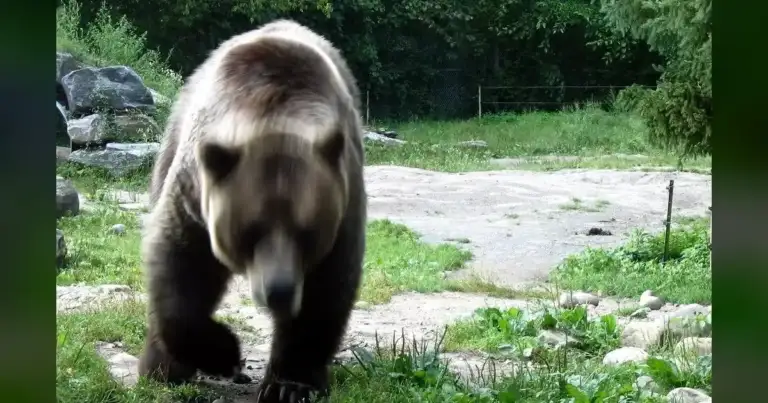
Photo: Photo by Loozrboy on Openverse (flickr) (https://www.flickr.com/photos/30624156@N00/3879190908)
Source: Google News