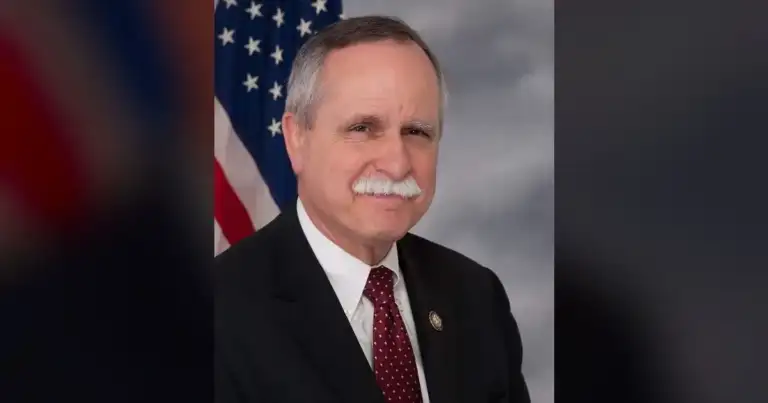

Morgantown has lost a native son, and West Virginia has lost a dedicated public servant. But David McKinley’s passing at 79 isn’t just the end of a life; it’s the forceful closing of a critical chapter in Mountain State politics, compelling us to confront what his pragmatic legacy truly means for our shifting landscape.
McKinley, a Republican, served the First Congressional District from 2011 to 2023. His impact, however, stretched far beyond his years in Washington.
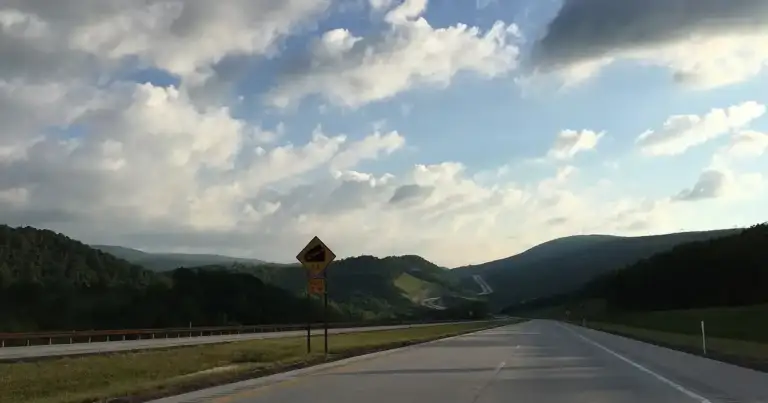
He was a bulldog for infrastructure, especially the high-speed broadband West Virginia desperately needed. Today, Northcentral West Virginia shows direct results: accelerated broadband expansion points to his unwavering push.
This wasn’t political showboating; it was the gritty, essential work of connecting communities. He understood that without basic connectivity, West Virginia would remain stuck in the past.
A Legacy Forged in Steel and Concrete
Before his D.C. tenure, McKinley honed his chops in the West Virginia House of Delegates. He was a true state-level warrior.
His civil engineering background wasn’t just a resume line; it was the blueprint for his political philosophy. He built things, not chased headlines or Twitter trends.
He fought for tangible projects: roads, bridges, water systems. These concrete improvements genuinely lift communities, unlike abstract rhetoric.
This made him an indispensable, if often unsung, champion. He secured federal dollars for projects vital to West Virginia, even if they bored national media.
The Red Marker Verdict: The Hard Truth of Political Evolution
Let’s be brutally honest, something national pundits shy away from. David McKinley’s death isn’t just the passing of a respected figure; it starkly reveals the brutal, ever-shifting landscape of West Virginia politics.
Despite his genuine dedication to broadband and infrastructure, McKinley was cast aside just two years ago. He lost a primary to Alex Mooney in a redistricting-forced showdown.
His defeat wasn’t a judgment on his effectiveness. It signaled a radical transformation within the Republican Party.
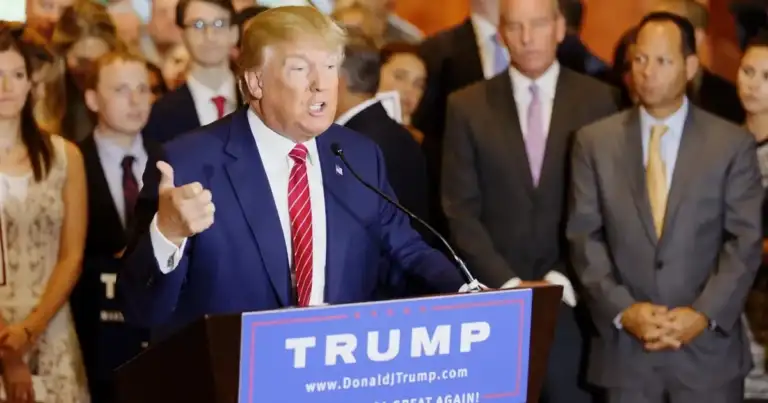
Unwavering allegiance to a national figurehead now routinely steamrolls a proven record of local legislative wins and pragmatic governance.
Broadband expansion marches on, yes, because McKinley first pushed it. But it also continues because it’s an undeniable economic necessity no politician can ignore.
His ‘legacy of advocacy’ isn’t just a footnote; it’s become the bare minimum expectation.
McKinley’s passing reveals a chilling truth: even dedicated public servants, who improve lives, can be ruthlessly discarded. This happens by the relentless current of political purity tests.
His era was defined by tangible construction. The current era, for better or worse, seems obsessed with who can scream loudest and toe the party line most rigidly.
West Virginia desperately needs leaders who can both build and inspire. However, the political machine increasingly only rewards one. What will we lose next?
Source: Google News