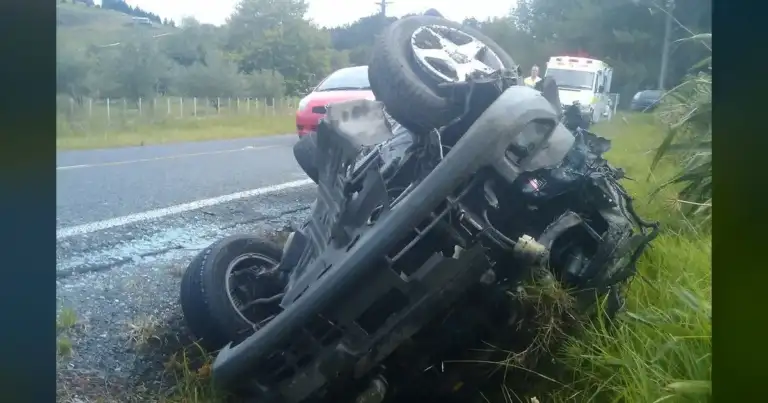

The headline hits with the familiar, gut-wrenching thud: “Local man arrested for fatal crash in Louisiana.” You’ve seen it before, countless times, a grim constant in our state’s news cycle. It’s easy to scroll past, to dismiss it as just another tragic accident, another isolated incident. But for those of us who live here, who breathe Louisiana air and travel its roads, it’s a stark, infuriating reminder of a deeper rot, a systemic failing that stretches far beyond the individual behind the wheel.
The All-Too-Familiar Echo
The story writes itself, doesn’t it? A life cut short, a family shattered, and then the mugshot, the charges, the beginning of a legal battle that will drag on for months, maybe years. We’ve seen it play out time and again across our parishes. The details change – a stretch of highway here, a residential street there, a different name, a different age – but the core tragedy remains the same. A vehicle becomes a weapon, negligence becomes a death sentence, and the community is left to pick up the pieces.

And what’s the immediate reaction? Outrage, calls for justice, maybe a temporary surge in traffic enforcement in the immediate vicinity. But then, inevitably, the news cycle moves on. The victim is mourned, the perpetrator enters the system, and the underlying conditions that make these tragedies so common? They linger, untouched, waiting for the next headline, the next preventable death.
Louisiana’s Lethal Roads
Let’s be blunt, because anything less would be a disservice: Louisiana’s roads are not just dangerous; they are a death trap for far too many. We consistently rank among the deadliest states in the nation for road fatalities, a grim statistic that should shame us all.
It’s not just about drunk driving, though that remains a horrific, inexcusable factor. It’s about a deeply ingrained culture of aggressive driving, a brazen disregard for speed limits and basic road etiquette that feels almost endemic.
It’s about our crumbling infrastructure, often patched rather than properly repaired, struggling to keep pace with growth or even basic maintenance, creating hazards where there should be safety. Every time we see that headline, it’s not an isolated incident; it’s a gaping wound, a symptom of a much larger, neglected disease. It’s a damning reminder that we’re perpetually reacting to the aftermath instead of proactively tearing out the root causes.
The arrest is the easiest part. It’s the clean, definitive action the public demands. But it’s a bandage on a gaping wound if we don’t look closer at why these wounds keep appearing, year after year, life after life.
How many times do we need to hear about another preventable death, another family ripped apart, before we demand a systemic shift? Before we look at not just the driver, but the roads they’re on, the laws that are enforced (or not), and the public education that clearly isn’t sinking in? When will we stop accepting this as “just the way things are”?
The Red Marker Verdict
Here’s the unfiltered truth, the inconvenient reality that the nightly news often glosses over: When a “local man is arrested for a fatal crash,” the mainstream narrative, with its focus on immediate crime and punishment, offers a neat, tidy, and ultimately false sense of closure. But that’s where they miss the point entirely. The real story isn’t just about one bad driver making one terrible mistake, however egregious. It’s about the collective shrug, the tacit acceptance of a driving culture that tolerates recklessness until it’s too late. It’s about the political will that consistently prioritizes other issues over consistent, robust road safety measures and serious, ongoing enforcement.
These headlines aren’t just about individual accountability; they are a damning indictment of a system that is failing, catastrophically, to protect its own citizens. We arrest the man, yes, but until we confront the systemic failures, until we demand real change from our leaders and ourselves, we will never truly arrest the problem itself. And how many more lives must be lost before we finally say, “Enough is enough?”
Photo: Photo by jenineabarbanel on Openverse (flickr) (https://www.flickr.com/photos/22861138@N00/3350383712)
Source: Google News