

The Familiar Aftermath
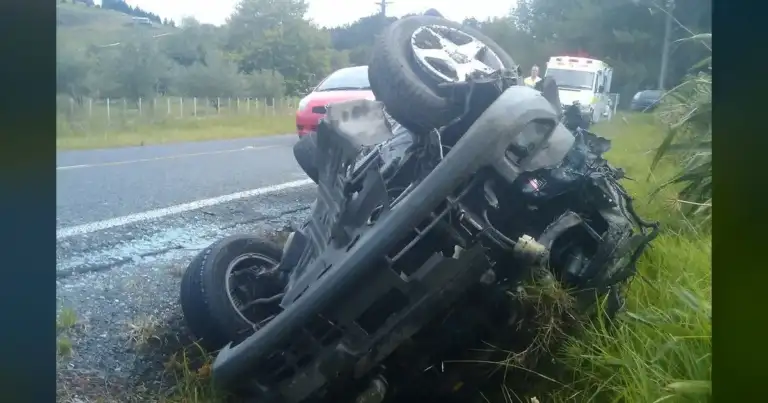
The drill is always the same. Sirens wail, emergency responders flood the scene, and media reports are breathless with the injured count. Hospitals activate mass casualty protocols. Families scramble, desperate for news of loved ones. Then come the official statements, promises of “thorough investigations,” and inevitable calls for “enhanced safety measures.” It’s a script we know by heart, a grim tableau repeated across the state’s festive calendar. But what actually changes? Are the barricades stronger, or law enforcement truly beefed up? Or do we just get a few more orange cones and a prayer?Safety or Spectacle?
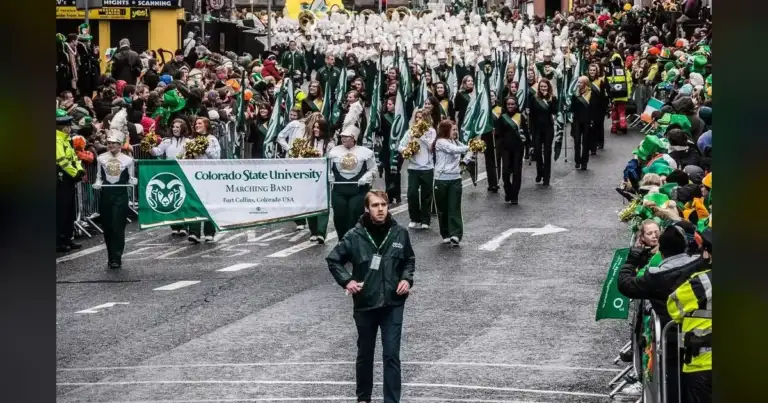
You have to ask yourself: are we prioritizing spectacle over the safety of the people who make these events what they are? Louisiana’s parades are an economic engine and a cultural touchstone. Businesses rake in cash, tourists flock in, and politicians get their photo ops. The pressure to keep the good times rolling, no matter the cost, is immense. But when that cost is measured in broken bones, trauma, and lives forever changed, does the ledger truly balance? This isn’t about blaming the celebration itself. It’s about looking hard at what it truly takes to secure it.“The easy answer is always to blame the driver. The harder truth is to look at how we secure public events in a state that hosts more of them than almost anywhere else.”
The Red Marker Verdict
Here’s the brutal truth, marked in red: This isn’t a “freak accident.” It’s a predictable outcome of a system that repeatedly opts for minimum viable security over maximum actual safety. The mainstream narrative will focus on the individual driver, the immediate chaos, and the heroics of first responders. What they’ll miss is the persistent, underlying failure to implement robust, consistent, and *funded* security measures. The hypocrisy is stark: officials will mourn and issue condolences. Then they’ll likely return to business as usual. Genuinely hardening every parade route against vehicle attacks costs money—money that could be spent elsewhere, money that might upset the “good times” vibe. The power motive is simple: maintain the profitable illusion of carefree revelry, even if it means sacrificing genuine public protection. It’s cheaper to clean up the mess than prevent it. Until that calculation changes, expect more sirens, more heartbreak, and more empty promises.Photo: Photo by infomatique on Openverse (flickr) (https://www.flickr.com/photos/80824546@N00/8565175723)
Source: Google News