
Deschutes County Drowning in Fentanyl: Six ODs in 24 Hours, And We’re Supposed to Be Surprised?
On April 17, 2026, Deschutes County didn’t just “sound the alarm”—it faced a grim reality check. Six lives were extinguished by suspected fentanyl overdoses within a single 24-hour period. This isn’t a “warning”; it’s a gut-wrenching indictment of a system that has utterly failed. These aren’t isolated tragedies; they are the chilling, predictable harvest of years spent ignoring a crisis that has been screaming for attention.
The county’s health services and law enforcement are now in a frantic scramble, issuing dire warnings. “Assume any illicit drug may contain fentanyl,” they caution, effectively telling residents that their street coke, their meth, that fake pill—it’s all a deadly game of Russian roulette. Dr. Sarah Miller, Director of Deschutes County Health Services, predictably trotted out the standard press release rhetoric:
“This recent cluster of overdoses is a stark reminder of how deadly fentanyl is and how quickly it can claim lives,” stated Dr. Sarah Miller. “We are urging everyone to assume any illicit drug may contain fentanyl and to take extreme precautions.”
“Extreme precautions” after six people are already in body bags? Let’s be brutally honest: Oregon’s fentanyl deaths didn’t just rise; they exploded by a staggering 1,500% between 2019 and 2023. Deschutes County alone logged 38 fentanyl-related deaths in 2025. This isn’t a “recent cluster” of incidents; it’s a relentless, escalating body count.
The Invisible Killer, The Visible Failure
Bend Police Chief Mike Krantz offered the expected law enforcement boilerplate:
“Our officers are seeing firsthand the devastating impact of fentanyl in our community. We are actively investigating the source of these dangerous drugs and will continue our efforts to get them off our streets.”
“Actively investigating” for how long, Chief? While the bodies pile up? The “source” isn’t some hidden lab; it’s the entire drug supply chain, poisoned by ruthless cartels. Their “efforts” haven’t stopped the 38 deaths last year, have they? Or the six in a single day. The so-called “War on Drugs” has devolved into a grim reaper, collecting taxes on public apathy while the real architects of this devastation operate with impunity.
The county’s “response”? A flurry of reactive, largely superficial measures. They’re ramping up Narcan distribution. They’re launching public awareness campaigns. They’re “monitoring” emergency room visits—as if watching the carnage unfold is a solution. Emily Chen, a harm reduction specialist, echoed the familiar plea:
“If you or someone you know uses drugs, please carry Narcan. It saves lives, and it’s available for free at many locations,” urged Emily Chen.
Narcan is a lifeline, yes. But it’s a flimsy band-aid on a gushing arterial wound. It does precisely nothing to stem the tide of lethal substances flooding our streets. It offers no answers for why people are turning to illicit drugs in the first place. These aren’t solutions; they are performative gestures designed to create an illusion of action.
The Red Marker: Apathy is the Real Killer
Here’s the brutal, inconvenient truth: nobody truly cares enough to force real change. The public reaction to this latest surge? A deafening silence. No outrage, no viral memes demanding accountability, no mass protests. Deschutes County declared a 90-day emergency back in February 2024. One commissioner, with a rare flash of honesty, even called the proposed plans “half-baked.” And that was the extent of the pushback.
The “so what” factor is not just staring everyone in the face; it’s practically screaming. This isn’t just a “drug user problem.” It’s a public health catastrophe that bleeds into every corner of our community. The silence, the numbness online, the collective shrug—that’s the true killer here. It’s far easier to be desensitized to death than to demand the systemic overhaul we so desperately need.
The power dynamic is stark: maintain the profitable status quo. Keep funding reactive measures. Avoid the hard, systemic questions that might actually disrupt the flow of poison. The financial motive is equally clear: emergency services get paid to respond to crisis after crisis. Pharmaceutical companies profit from Narcan. And the drug dealers? They’re laughing all the way to the bank, knowing that the public’s apathy is their most reliable business partner.
This isn’t a warning; it’s a eulogy. Until Deschutes County—and indeed, all of Oregon—wakes up from its collective stupor and demands more than just Narcan handouts and empty promises, prepare for more body bags. The question isn’t if more will die, but when and how many.
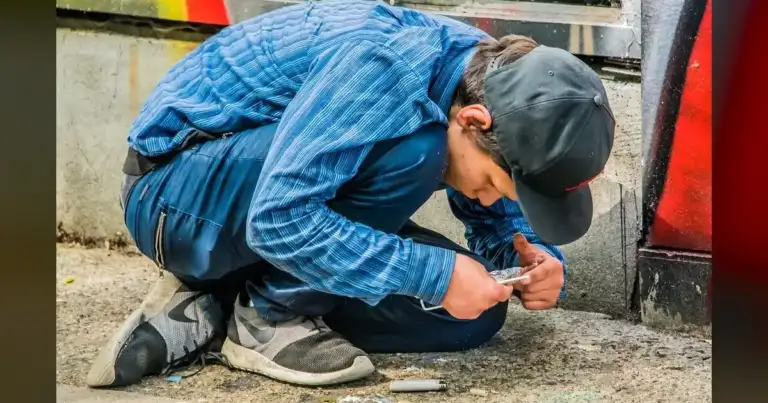
Photo: Photo by Ted’s photos – For Me & You on Openverse (flickr) (https://www.flickr.com/photos/90955804@N04/49892166902)
Source: Google News