

The Cold Reality in Nitro
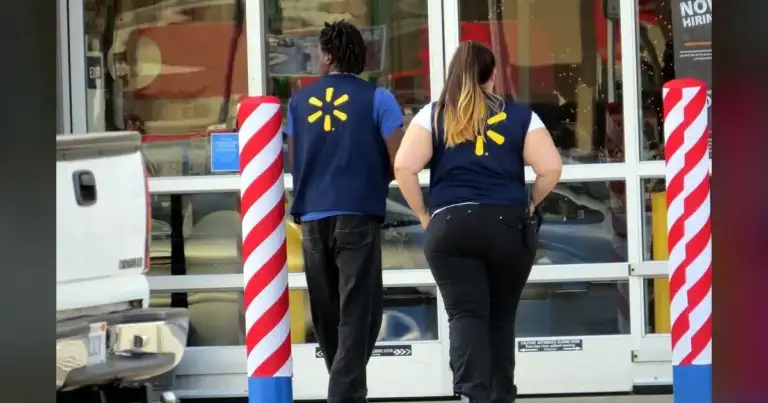
Misty Rose Williams, a Walmart employee, was found dead in her vehicle, her life ended by a single gunshot. Surveillance footage quickly pointed to Eric Dewayne Richmond. This wasn’t some random act of violence, no. This was a domestic horror, brutally brought to the doorstep of a major retailer. What does it say about our society when such a tragedy unfolds in plain sight, yet remains unseen by so many? Police in Nitro acted fast. Charges were filed. Yet, the swiftness of justice does nothing to bring Williams back. It does nothing to calm the terror spreading among retail workers. It does even less to wake up a public numbed by the relentless drumbeat of despair.Why West Virginia Doesn’t Care
The public reaction? Apathy. That’s the damning report. Internet forums, social media feeds—they yawned. No “AI grift” theories. No “fake news” accusations. Just a collective shrug at a life extinguished. This wasn’t a mass shooting. It wasn’t a spectacle for the doomscroll. Netizens crave high-octane drama: AR-15 rampages, manifestos, and culture-war bait. A domestic murder in a Walmart lot is too mundane for them. It’s just “Tuesday in Trump country,” where guns settle scores without viral fanfare. This indifference is a sickness. It means we accept this violence as normal.Walmart’s Empty Promises on Worker Safety
Walmart, the corporate behemoth, claims to prioritize employee safety. But what does that platitude truly mean on the ground in West Virginia? Local outlets, like the Charleston Gazette-Mail and the Herald-Dispatch, consistently highlight rising incidents: theft, violent altercations, outright confrontations. These aren’t just statistics. They are daily, terrifying threats to workers like Misty Rose Williams, who simply showed up for her shift. The Morgantown Dominion Post reported on new anti-theft technologies and increased security at their Supercenter, following an alarming surge in organized retail crime. Local law enforcement officials openly acknowledge the immense strain these incidents place on police resources, and the crushing psychological toll on retail workers. Yet, is it enough? Is this truly proactive, or merely reactive? A dead employee, shot in her own car, screams that it is nowhere near enough.Legislative Laziness: The Cost of a Walmart Employee Shot
Our state legislature talks a good game. House Bill 4001, debated earlier this year, aimed at organized retail crime. It was supposed to address workplace safety for retail employees. Testimony from retail associations and employee advocates made clear the increased risks. Violence, harassment—these are not abstract fears. They are terrifyingly real. WV MetroNews covered these legislative debates. They detailed concerns raised about frontline worker safety. But what good are debates when workers are still dying? These bills move too slow. The protections are too weak. Our politicians offer lip service, not genuine solutions. They fail to protect the very people who keep our economy limping along.“The strain these incidents place on police resources and the psychological toll on retail workers is immense,” one local law enforcement official stated. Yet, action remains sluggish.The focus remains on property, not people. Penalties for shoplifting are discussed. The value of a human life, especially a working-class one, seems an afterthought. This legislative inertia is a betrayal. It tells every retail worker they are expendable.
The Real Price of Indifference
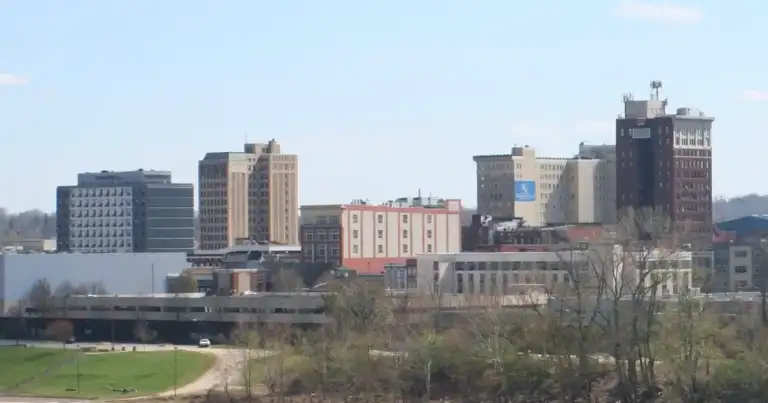
This tragic death in Nitro isn’t just about one family’s unimaginable loss. It’s about a community’s profound failing. It’s about a state that has grown utterly numb. WSAZ NewsChannel 3 reported on Huntington community forums where residents and business owners voiced desperate concerns about rampant crime near shopping centers. Petty theft escalates into violent confrontations. Disturbances become commonplace. Is this the West Virginia we want to be? This pervasive sense of insecurity impacts everyone. Customers feel unsafe. Employees are terrified. This environment of neglect, fueled by public apathy and corporate inaction, creates fertile ground for tragedy. When a life is lost, and the world barely blinks, what does that say about us? It says we’ve accepted the unacceptable. We must demand more: from Walmart, which profits immensely from these workers, and from our legislature, which prioritizes property over people. Misty Rose Williams deserved better. Every worker in West Virginia deserves better. Until we collectively stop shrugging and scream for change, expect more headlines just like this one. The cost of indifference is paid in blood, and West Virginia is bleeding.Photo: Photo by kennethkonica on Openverse (flickr) (https://www.flickr.com/photos/38912465@N00/30905498811)
Source: Google News