
Mississippi’s Shame: Lingering Power Outages Expose Systemic Failure
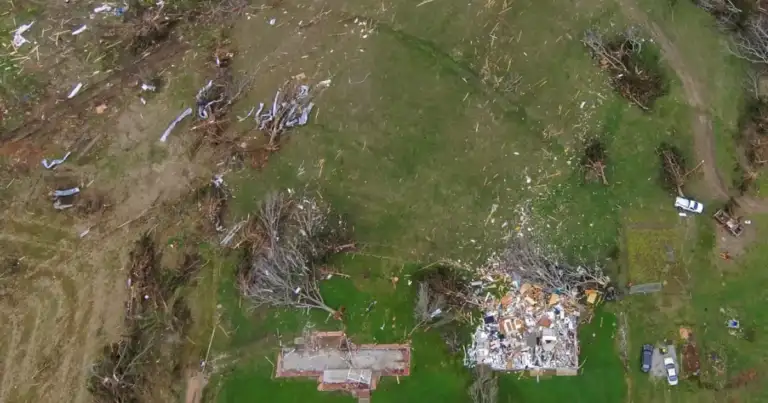
Two months. Let that sink in. Two months is how long 25,000 families in northeast Mississippi have been abandoned to rot in the dark. Weeks after a devastating ice storm ripped through the region in late February 2026, the power grid remains crippled. This isn’t just an inconvenience; it’s a full-blown humanitarian crisis and a damning indictment of our state’s leadership.
CBS News reported the staggering truth: 25,000 homes and businesses are still without electricity. This isn’t some scattered inconvenience; it’s a concentrated catastrophe in rural strongholds like Lee, Itawamba, Prentiss, and Union counties. And what do local emergency management officials, like Itawamba County’s Frank Johnson, offer? Pitiful excuses, nothing more.
“We thought we were prepared, but the sheer number of broken poles and trees down in these remote areas… it’s a lot worse than we thought. Our crews are exhausted, but they’re still out there.” – Frank Johnson, Itawamba County Emergency Management Director (April 11, 2026)
“Worse than we thought”? After nearly sixty days of suffering? This isn’t an unforeseen act of God; it’s a systemic failure of planning, maintenance, and basic accountability. The lingering power outages are a direct, undeniable result of decades of underinvestment and dismissive attitudes toward Mississippi’s vital infrastructure.
Reeves’ Empty Words, Public Fury
Governor Tate Reeves, ever the master of empty platitudes, finally issued a statement on April 12. He called the delays “unacceptable” and promised “every available state resource.” But for families shivering in the dark, desperately burning precious generator fuel just to survive, these aren’t just hollow words – they’re a cruel mockery.
The public isn’t buying it – they’re boiling over. Social media is ablaze with a righteous fury. On Reddit’s r/Mississippi, threads don’t just savage utility companies for botched grid maintenance; they expose a deep-seated rot. One viral X post, racking up 12,000 likes, cynically described the outages as a “climate psyop to push smart grids.” Another suggests the entire saga is a “Reeves’ election stunt” to secure FEMA funds ahead of the 2026 midterms. These aren’t just wild theories; they are symptoms of a population feeling utterly abandoned and exploited, desperate for any answer beyond the official, sugar-coated narrative.
The outrage reached a fever pitch after Reeves’ tone-deaf February 1 quip: “Be grateful you’re not in Minnesota’s ICE protests.” This wasn’t just an elitist delusion; it was a slap in the face that landed like a lead balloon. Families in Tishomingo County were freezing, some even dying, while their Governor offered lectures from a warm office.
X erupted with #ReevesResign trending locally, a clear sign of the public’s disgust. One widely shared post perfectly captured the mood: “Grateful? My kid’s lips are blue, Tate’s sipping cognac.”
And as if the suffering wasn’t enough, scammers are now exploiting this widespread desperation. Reports of generators being blackmarketed at five times their normal price in places like Iuka reveal a crisis compounded by predatory greed.
Who Pays? Who Profits?
The financial burden doesn’t just fall; it’s dumped squarely on the shoulders of ordinary Mississippians. Affected residents face mountains of spoiled food, devastating lost wages, and the exorbitant, often impossible, cost of temporary housing or generator fuel.
Small businesses, the very backbone of these rural communities, remain shuttered, their dreams crumbling. Local chambers of commerce report millions in lost revenue – a crippling blow to the state’s economic heart.
Meanwhile, the utility giants – Tombigbee Electric Power Association and the Tennessee Valley Authority (TVA) – quietly tally “tens of millions” in repair costs. But make no mistake, we know who ultimately pays that bill: the ratepayers, of course.
The public perception of their response and preparedness isn’t just in tatters; it’s been shredded. This storm wasn’t some unforeseen anomaly.
Mississippi is no stranger to severe weather; the devastating 1994 ice storm should have taught us indelible lessons about infrastructure resilience. So, we must ask: What happened to those promised overhauls in tree-trimming policies and emergency protocols? Were they simply abandoned, left to rot like the power poles, or were they never truly implemented in the first place?
Federal Emergency Management Agency (FEMA) aid offers a glimmer of relief, but the application process is agonizingly slow, a bureaucratic maze designed to frustrate. Meanwhile, our most vulnerable populations – the elderly, the disabled, low-income families – are not just being ignored; they are being forsaken. They lack the fundamental resources to relocate or buy expensive generators. Their desperation isn’t a silent crisis; it’s a deafening scream, tragically overshadowed by endless bureaucratic delays and cynical political posturing.
A System Designed to Fail?
This isn’t just a weather story; it’s a damning narrative of a state’s abject failure to protect its most vulnerable citizens. It’s about a power grid that brazenly prioritizes corporate profit over community resilience. It’s about politicians who, with sickening predictability, offer empty promises while their constituents literally suffer in the dark.
The question isn’t just how this happened, but why – in the name of all that is decent – is it allowed to continue? So, who truly benefits from this prolonged, agonizing suffering? Certainly not the people of Mississippi.
Only those who ruthlessly profit from a system that is not just broken, but rigged. When will our leaders find the courage to demand real accountability from these complacent utilities? When will they stop playing politics and finally invest in robust infrastructure that can withstand the inevitable next storm, instead of leaving us utterly exposed?
Or will we simply brace ourselves for the next tragedy, for the next hollow round of “thoughts and prayers” from Jackson, while our communities crumble? The people of northeast Mississippi don’t just deserve better; they demand justice for this shameful, life-threatening neglect. It’s time to light up the darkness, not just with electricity, but with unwavering resolve.
Source: Google News