

Mississippi’s Tornado Alley: Another Day, Another Disaster, Zero Real Solutions
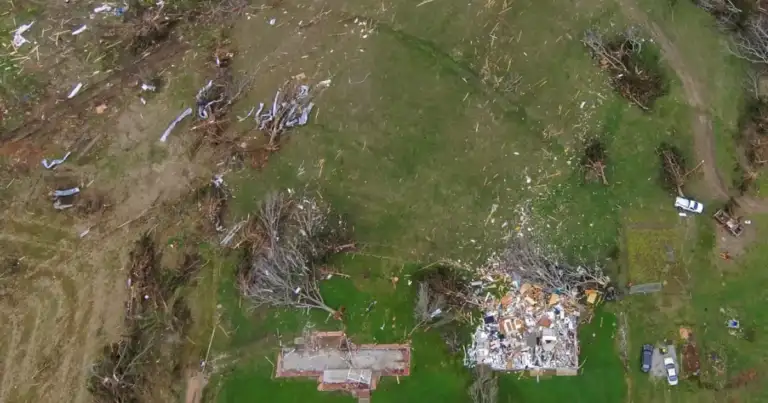
Another spring, another catastrophe. From May 9th to 10th, 2026, Mississippi was once again savaged by tornadoes, leaving a trail of devastation that has become tragically familiar. Over 500 homes are now splintered ruins or severely damaged across Scott, Newton, and Lauderdale counties. Thousands are plunged into darkness, thanks to Entergy’s predictably sluggish response. People are injured, lives are upended. Yet, don’t hold your breath for a national outcry. This is Mississippi. For the rest of the country, it’s just another Tuesday, another forgotten tragedy.The Cycle of Neglect
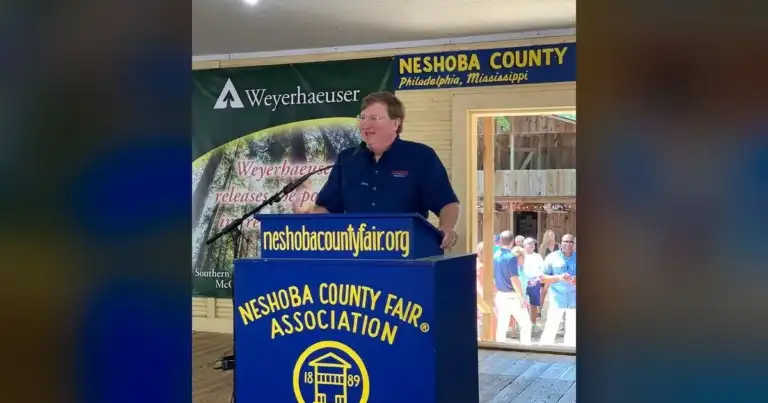
While the National Weather Service meticulously counts the twisters, Mississippians are once again sifting through the heartbreaking wreckage of their lives. Governor Tate Reeves swiftly issued a state of emergency, offering the familiar refrain:“Our hearts go out to all Mississippians impacted… We’ve mobilized state resources.”MEMA Director Stephen McCraney dutifully echoed the well-worn script:
“We’re still in the assessment phase, but the damage is extensive.”These aren’t just statements; they’re annual rituals, a broken record playing over the ruins of our communities. It’s not just extensive; it’s expected. Cast your mind back to March 2025. Same song, different county, same devastating aftermath. This state isn’t just *in* “Dixie Alley”; it’s a permanent resident, a geographic reality politicians are quick to acknowledge but perpetually fail to address. We get hit. We clean up. We wait for federal aid. And then, with grim predictability, we do it all over again. Why? Because genuine, lasting solutions are simply too inconvenient for those in power.
Empty Promises, Stalled Progress
The rhetoric of “long-term solutions” rings hollow. We’re constantly fed promises about:- Enhanced Building Codes: A perpetual “debate” in the state legislature – which, in plain English, means developers and property owners will fight tooth and nail against any measure that threatens their bottom line, even if it saves lives.
- Safe Room Programs: MEMA offers grants, yes. But widespread adoption? That’s a pipe dream when funding is perpetually “a challenge.” It’s always a challenge, isn’t it?
- Early Warning Systems: There’s continuous investment, we’re told. Yet, maintenance issues and the frequent, disruptive false alarms continue to plague a system that should be our first line of defense.
“Our roof is gone, but we’re alive, and that’s what matters.”Think about that. That is the horrifyingly low bar for survival here. Just being alive. Our state government constantly preaches personal preparedness, yet utterly fails to deliver the foundational infrastructure that would actually prepare entire communities for what everyone knows is inevitable.
The Red Marker Verdict
Let’s be brutally honest, shall we? The glaring lack of national attention isn’t an oversight; it’s a calculated feature, not a bug. Mississippi’s repeated devastation by tornadoes has been tragically normalized, relegated to a regional problem. It’s a poor, rural state, and the upfront cost of truly hardening its infrastructure feels astronomical to those holding the purse strings. So, who really benefits from this agonizing cycle?- Insurance companies: They rake in premiums, then brace for payouts they’ll conveniently pass on to policyholders through higher rates.
- Developers: They lobby relentlessly against stricter building codes that would cut into their precious profits, prioritizing short-term gains over long-term safety.
- Politicians: They get to posture with hollow “thoughts and prayers” while kicking the can down the road on expensive, proactive mitigation efforts. They rely on the federal government to swoop in with emergency aid, effectively passing the buck for their own chronic inaction.
Source: Google News